


Every day in our practices, we are faced with a choice between different treatment options. Experience, scientific literature and patient preferences all help guide us in one direction or another. The case presented in this article could have been managed using a different approach, but the solution chosen aligned with our philosophy: keep it simple while meeting the patient’s individual demands.
A patient with high aesthetic demands
A patient in his early twenties presented for consultation with a purely aesthetic concern. He had been wearing a double-retainer resin-bonded prosthesis (Fig. 1) for several years, placed owing to the congenital absence of the mandibular central incisors. Although the bridge had served him well functionally, the patient now wished to have it replaced with a more aesthetic solution that better matched the shade of his natural teeth.
After clinical and radiographic assessment, several treatment options were considered, taking into account the patient’s age, bone volume and aesthetic expectations. The final decision was to fabricate a new resin-bonded bridge, optimised in terms of both design and shade, using a multilayered zirconia to achieve a natural-looking result.
Preliminary steps in the dental office
A pretreatment impression of the bridge was taken before its removal, using the iTero Element 5D Plus intra-oral scanner (Align Technology; Fig. 2). These pretreatment scans, which are performed almost routinely for our prosthetic reconstructions, allow the laboratory to capture the volume of the existing prosthesis, replicate the shape (if suitable) and often visualise wear facets. This helps minimise or even eliminate the need for subsequent adjustments. The existing resin-bonded bridge was then removed, and the abutment teeth were prepared as minimally invasively as possible. Once again, the intra-oral scanner was used to take an impression of the situation (Fig. 3).
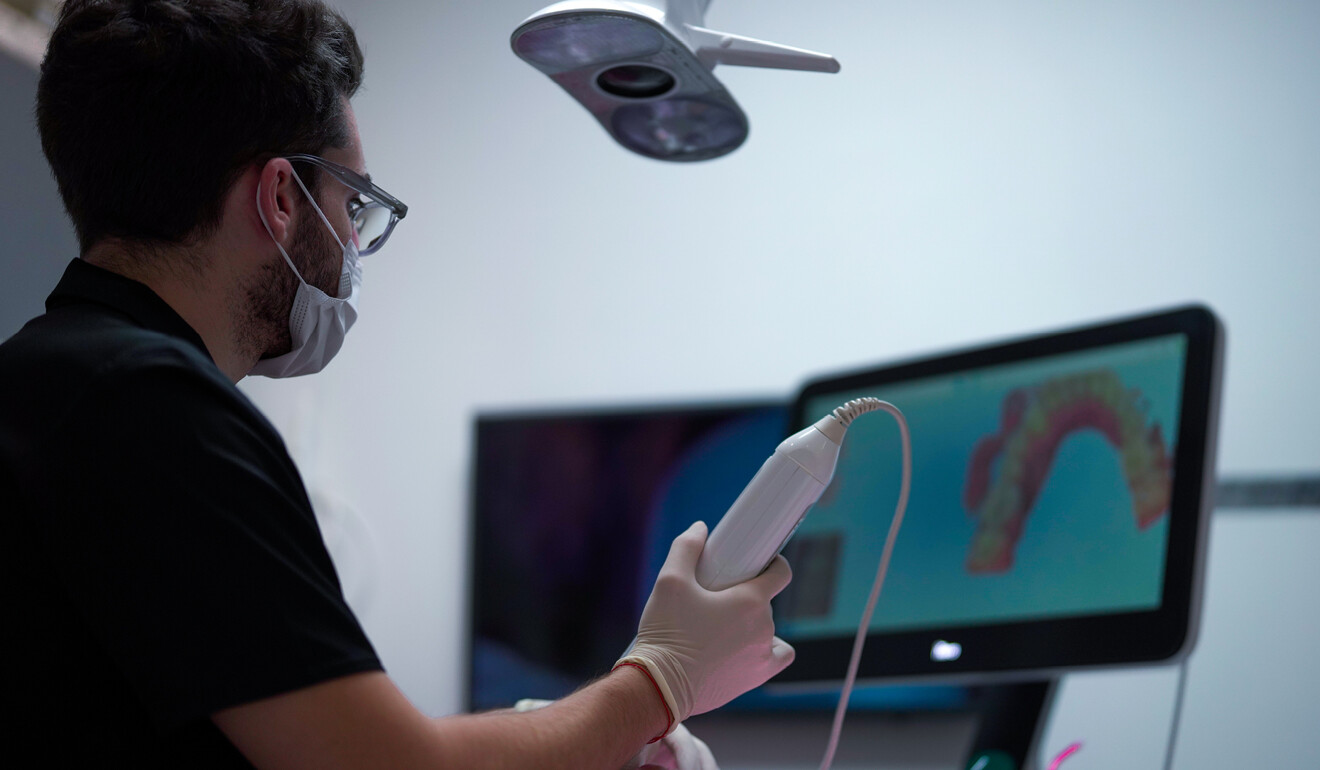
Fig. 2: Using the iTero Element 5D Plus for the intra-oral scan.
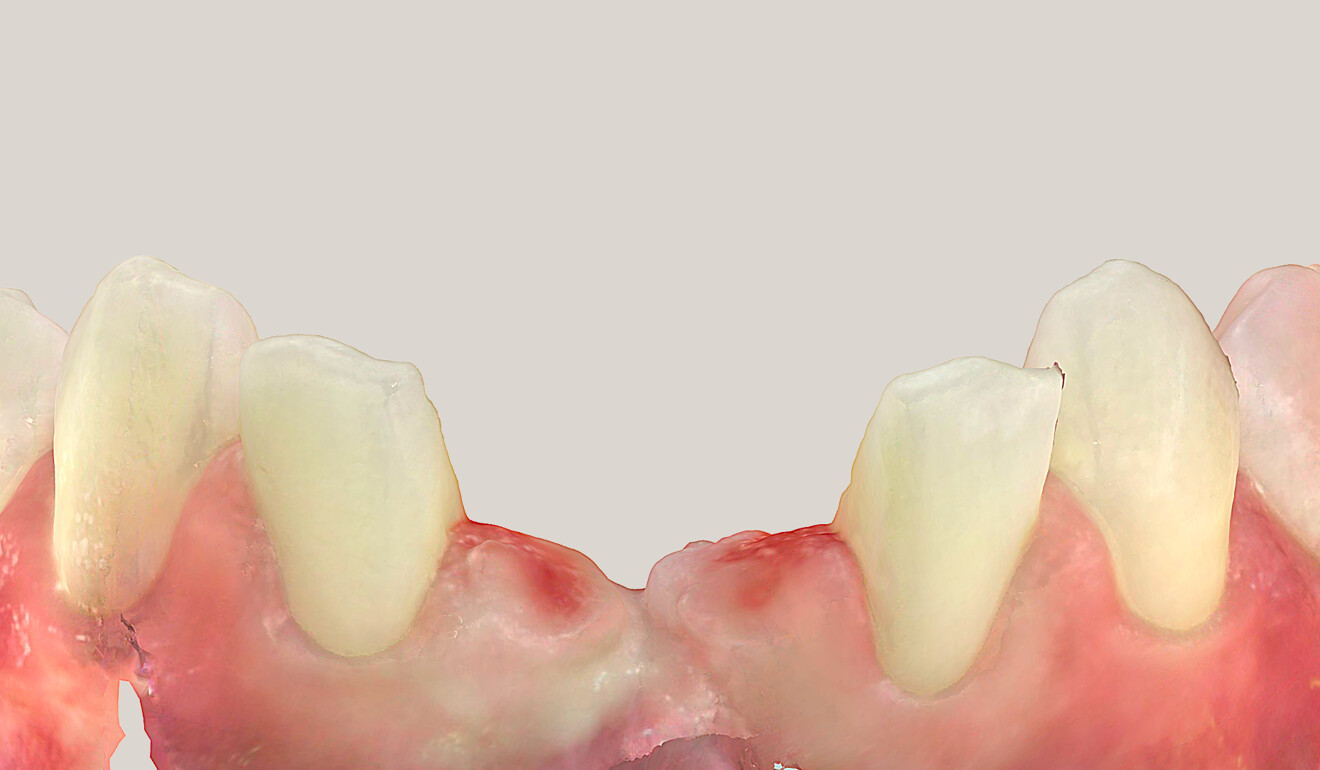
Fig. 3: Intra-oral scan after bridge removal and minimal preparation of the lingual surfaces of the abutment teeth.
Production of the resin-bonded bridge
The scan was sent directly from the intra-oral scanner to the design4me platform (DIGISMILE) to carry out the digital design of the planned bridge (Figs. 4 & 5). A repositioning key was also designed by the dental technicians to provide for accurate seating of the bridge during cementation (Fig. 6). The material of choice was KATANA Zirconia YML (Shade B1; Kuraray Noritake Dental), a multilayered zirconia, owing to its outstanding physical and aesthetic properties—specifically its gradient in shade translucency and flexural strength (Fig. 7).
The production centre, DIGISMILE, subsequently received the STL files of the bridge and the positioning key, modelled by the dental technicians on the design4me platform (using exocad), ready for milling and printing. The laboratory was also provided with intra-oral photographs to replicate the surface texture, possible characterisations and shades. The bridge was milled using a DWX-52D milling machine (Roland DG). Polishing, surface finishing and staining were carried out using burs (Komet Dental) and MiYO liquid porcelain (Jensen Dental). The repositioning key meanwhile was 3D-printed with a NextDent 5100 printer (3D Systems) using surgical guide resin (Fig. 8).
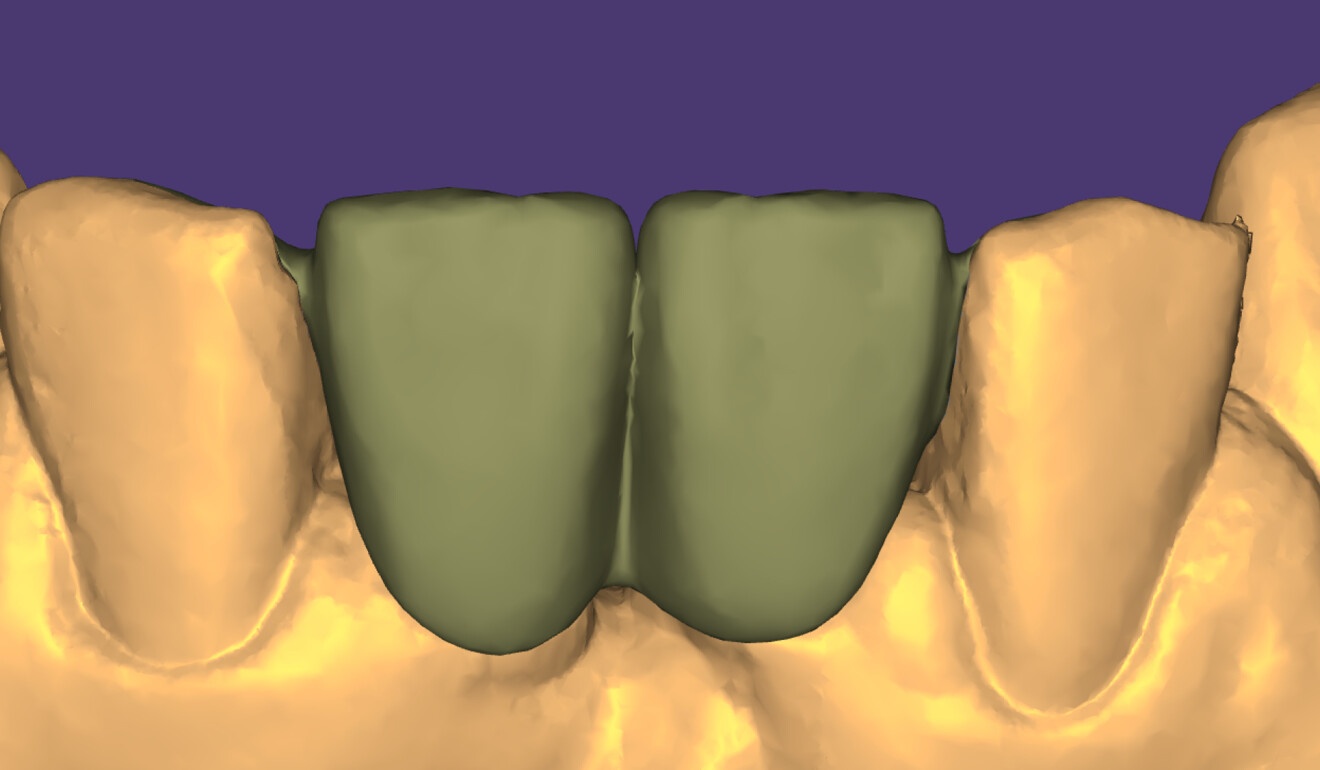
Fig. 4: Design of the new bridge using exocad software (via the design4me platform).

