

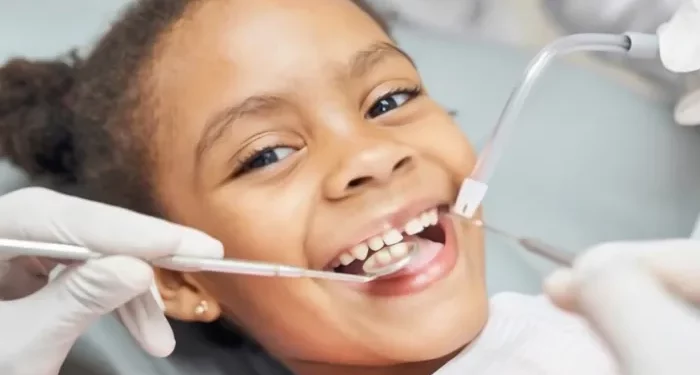
Children diagnosed with oral mucosal fragility disorders, such as epidermolysis bullosa simplex (EBS), face significant challenges regarding their dental health and overall care. EBS, a rare inherited condition, causes extreme sensitivity, blistering, and ulceration of the skin and mucous membranes. Recent pediatric cases highlight the complexity of management and emphasize the need for specialized dental care strategies and coordinated, multi-disciplinary approaches.
A case involving a six-year-old girl with EBS showed extensive oral complications, including severe build-up of calculus, frequent gingival bleeding, pronounced halitosis, and poor oral hygiene. The child’s health history included premature birth and low birth weight, but the EBS diagnosis was based directly on clinical signs such as blistering after minor trauma, without definitive genetic testing due to financial limitations. The patient’s inability to brush or maintain oral hygiene, caused by regular painful ulcerations and negative experiences with oral medicaments, significantly worsened her dental condition.
Dental professionals managing such cases use gentle behavior modification techniques and atraumatic periodontal procedures to prevent further injury. The child described was initially fearful and uncooperative during examination. However, using methods like “tell-show-do” and voice control, the dentist succeeded in conducting a full oral assessment. Due to poor oral hygiene habits, heavy lingual calculus and visible gum bleeding required careful removal. Scaling was performed with hand instruments and a reduced-speed ultrasonic scaler, avoiding trauma to the fragile mucosa. The patient was also advised to use a mild sodium bicarbonate mouthwash in consultation with her dermatologist.
Extraoral observation revealed widespread dryness, pigmentation changes, and blistering across the skin, hands, and feet. Nail abnormalities and areas of alopecia were present, underscoring the multi-systemic nature of EBS. Despite prematurity and low birth weight, these factors were not found to directly influence the severity of the dermatological or oral symptoms in this case.
Pediatric dental management should always be tailored based on disease severity and subtype. High-risk patients should be referred for dental evaluation early in life, ideally before teeth erupt, while regular follow-up is essential for moderate-risk patients. Routine dental schedules may suffice for milder cases. Preventive care, patient and parent education, and gentle clinical handling are crucial for these children. Multidisciplinary collaboration among dermatologists, pediatricians, and dentists ensures comprehensive management and improves quality of life. Early intervention in pediatric dentistry remains the cornerstone for any child dealing with oral mucosal fragility disorders.
Tags: dental carediseaseteeth Read More
