


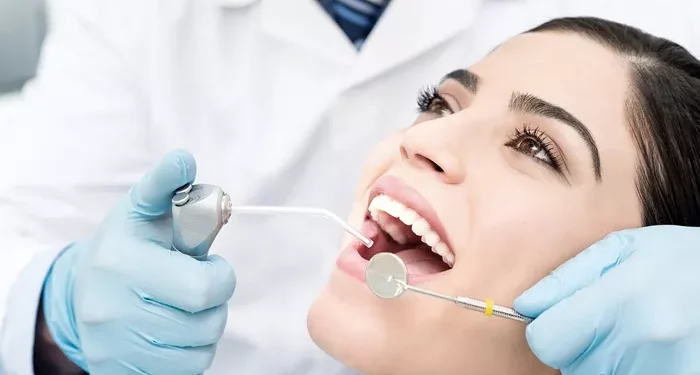
Growing evidence suggests that poor oral health may influence diseases beyond the mouth, including disorders of the central nervous system. Now, researchers in Japan have identified a potential connection between severe gum disease and the progression of multiple sclerosis (MS), highlighting oral health as a possible factor in neurological disability.
In a study published on November 3, 2025, in Scientific Reports, scientists from Hiroshima University report that higher levels of Fusobacterium nucleatum—a bacterium commonly associated with periodontitis—are linked to greater disability in patients with MS.
Multiple sclerosis is a chronic autoimmune disease that damages the myelin sheath, the protective covering of nerve fibers in the brain and spinal cord. Its exact cause remains unknown, but factors such as viral infections, smoking, vitamin deficiencies, and genetics are believed to contribute. In Japan, the prevalence of MS has risen steadily since the 1980s, prompting researchers to explore environmental influences, including changes in the human microbiome.
While most previous studies have focused on the gut microbiome, the Hiroshima team turned their attention to oral bacteria. Periodontal disease, a widespread chronic infection affecting 40–60% of the global population, causes persistent inflammation and has already been linked to conditions such as diabetes, atherosclerosis, and rheumatoid arthritis.
The researchers analyzed tongue-coating samples from patients with MS, neuromyelitis optica spectrum disorder (NMOSD), and myelin oligodendrocyte glycoprotein antibody-associated disease (MOGAD). They measured the relative abundance of several periodontal pathogens and compared bacterial levels with clinical indicators of disease severity.
Their results showed that MS patients with high levels of Fusobacterium nucleatum had significantly worse disability scores on the Expanded Disability Status Scale (EDSS), a standard 10-point measure used to assess neurological impairment. This association was not found in patients with NMOSD or MOGAD.
After adjusting for age, disease duration, number of attacks, and MS subtype, the link remained strong. Patients with higher levels of F. nucleatum had roughly ten times greater odds of moderate to severe disability. About 61.5% of MS patients with high levels of the bacterium had EDSS scores of 4 or higher, compared with 18.6% among those with lower levels. Disability was even greater in patients who carried F. nucleatum alongside other periodontal pathogens.
The findings suggest a possible MS-specific “oral–brain axis,” through which chronic oral inflammation may worsen neuroinflammatory disease. Researchers describe F. nucleatum as a potential “bridge bacterium,” known for connecting bacterial communities in dental plaque and possibly linking oral inflammation to neurological damage.
The team plans to conduct larger, multi-center studies to confirm the findings and explore underlying mechanisms using cytokine profiling and metagenomic sequencing. They also aim to assess whether dental treatments, such as periodontal therapy and improved oral hygiene, could influence disease activity or slow disability progression in MS.
If confirmed, the research could position oral health as a modifiable factor—and a new target—in managing multiple sclerosis.