


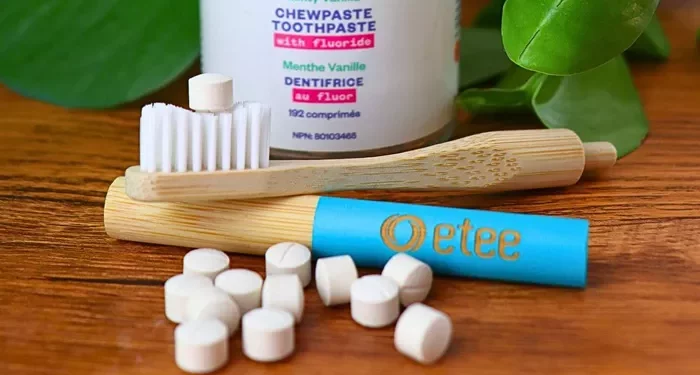
A growing interest in sustainability and ingredient transparency is reshaping the oral care market, and toothpaste tablets are emerging as a notable alternative to traditional paste. ENML, founded by dentist Jordan Harper, DMD, is positioning itself at the center of this shift with a tablet-based product designed to reduce waste while maintaining everyday oral health benefits.
Harper said ENML was created in response to the environmental impact of conventional toothpaste packaging. An estimated 1.5 billion toothpaste tubes are discarded each year, most of which are not recyclable. The company’s waterless tablet format eliminates plastic tubes and reduces the need to transport water, lowering both waste and shipping weight. The design also makes the product more convenient for travel.
From a formulation standpoint, ENML focuses on removing ingredients it considers unnecessary or potentially irritating. The brand name itself reflects this approach, inspired by stripping vowels from the word “enamel.” Harper said the same philosophy guided product development, leading to the elimination of preservatives, sodium lauryl sulfate (SLS), and fluoride.
Instead, ENML uses a hydroxyapatite-based formula intended to support enamel health and minimize sensitivity. According to Harper, SLS is a common tissue irritant in dental practice, and its removal is aimed at making the product gentler for everyday use.
As toothpaste tablets remain unfamiliar to many consumers, education has become a key part of ENML’s strategy. Harper noted that a common misconception is that tablets can replace brushing altogether. In reality, they are simply a different delivery format and must be used with a toothbrush, just like traditional paste.
Another frequent concern is texture. Some consumers associate tablets with a chalky or powdery feel. Harper said ENML spent significant time refining ingredient ratios so the tablet dissolves into a paste-like consistency during brushing. The slight grit of the tablet, he added, can also aid in plaque removal.
Harper emphasized that helping patients understand how and why the product works is essential. With proper use and education, he believes toothpaste tablets can offer an effective, convenient, and more sustainable option within the broader oral health landscape.