

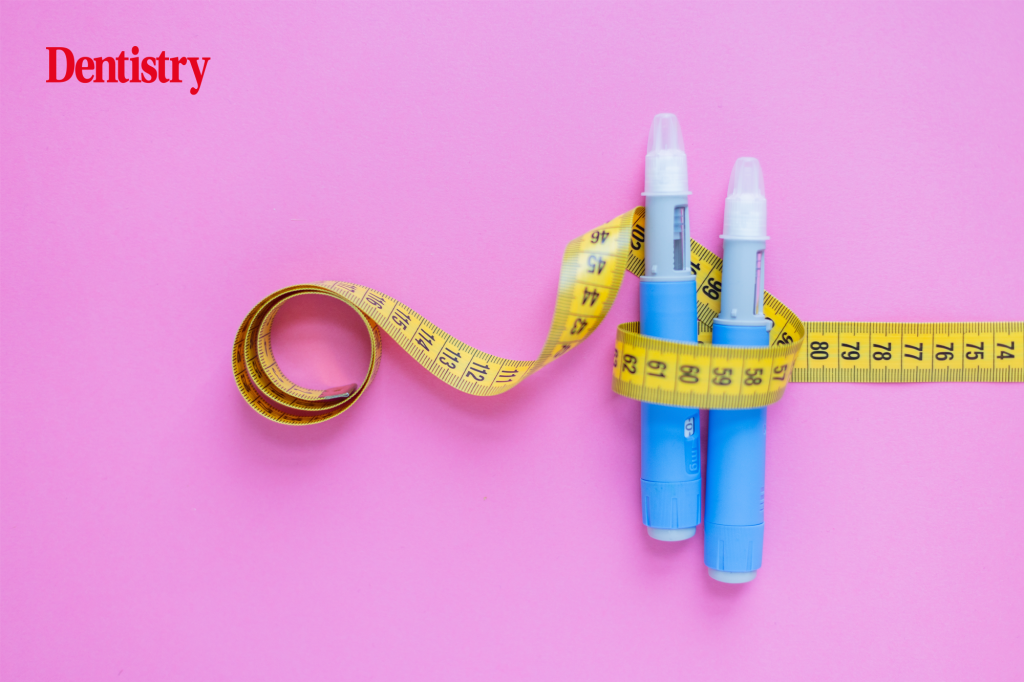
Emerdency‘s Mohammed Ali explains the oral side effects of weight loss jabs known as ‘Ozempic mouth’ and how dental professionals can help to resolve and prevent them.
‘Ozempic mouth’ is an informal term that has recently been used to describe possible oral health side effects reported in some people taking GLP 1 based medicines such as Wegovy, Ozempic, and Mounjaro. Although it is not an official diagnosis, reported symptoms include dry mouth, increased cavities, bad breath, gum inflammation, and sometimes changes in facial appearance related to rapid weight loss.
Weight loss jabs suppress appetite and slow gastric emptying, which can contribute to dehydration, changes in diet, and reduced saliva flow. Together, these factors may affect oral health. ‘Ozempic mouth’ is a media term sometimes used to describe the possible longer term oral effects linked with these behavioural and systemic changes while people are on treatment.
It is also important to remember that poorly controlled diabetes and obesity themselves increase the risk of gum disease, infections and delayed healing. For many patients, GLP 1 medicines play a key role in improving overall health, so any concerns about side effects should be discussed with the prescribing doctor rather than stopping treatment.
What oral side effects can weight loss jabs cause?
Dry mouth (xerostomia)
One of the most common symptoms is reduced saliva flow. Saliva protects teeth by washing away bacteria and neutralising acid. Without enough saliva, decay and enamel erosion can occur.
Enamel erosion and decay
Some people may have nausea or reflux, which exposes the teeth to stomach acid, leading to increased sensitivity and weakened enamel.
Gum inflammation
Changes in hydration and diet can amplify bacterial growth and inflammation in the gums, raising the risk of periodontal disease or gingivitis.
Bad breath and taste changes
Altered gut health and insufficient saliva can cause halitosis and leave you feeling like you always have a sour or metallic taste in your mouth.
Facial volume loss
This is sometimes referred to in the media as ‘Ozempic face’. Although this is not directly an oral condition, loss of soft tissue around the mouth can change facial appearance and, in some cases, affect how dentures or other prostheses feel or fit.
How can dental professionals help to combat these effects?
It’s important to specifically ask about GLP-1 use when taking a medical history, as many patients do not realise that these medicines may have potential oral side effects. Make sure GLP 1 and other weight management medicines are clearly recorded.
Increase monitoring of patients using weight loss jabs with regular check-ups and hygiene appointments to catch symptoms early.
For those suffering from dry mouth, recommended saliva substitutes or sugar-free chewing gum to stimulate saliva and reduce discomfort. High fluoride varnishes or toothpaste to strengthen enamel.
Dietary advice should be personalised to encourage hydration, balance nutrients, and avoid sugary snacks and acids.
Should dental treatment be adapted for patients using weight loss jabs?
In some cases, treatment can be tweaked to improve safety and outcomes.
Treatment timing
As these medicines can slow gastric emptying, some patients may be more prone to nausea during longer or more invasive procedures. Where possible, consider scheduling longer appointments for times of day when the patient feels least nauseous, and follow any current guidance from the patient’s GP or specialist on timing of their injections. Patients should not change or miss doses without medical advice.
Anaesthetic considerations
No specific additional contraindications have been identified for routine dental local anaesthetic. For patients having sedation or general anaesthetic, clinicians should follow current national guidance on GLP 1 medicines and fasting, as delayed gastric emptying may increase the risk of nausea or aspiration.
Restorative and prosthetic work
Keep an eye on changes in facial volume over time, as significant weight loss may alter the fit and appearance of dentures and other prostheses.
Oral hygiene planning
Customise patient call backs based on individual risk. For example, every three to four months for those who continue to struggle with dry mouth or reflux.
What advice should dental professionals give patients about weight loss jabs?
Supportive, open communication is key. Dental professionals should:
- Explain to patients that medicines such as Ozempic may have oral side effects, and that good oral hygiene and regular dental visits remain important during treatment. Emphasise that they should not stop or change their medicine without speaking to their GP or specialist
- Encourage hydration – sipping water throughout the day can relieve dry mouth and lower bacterial build-up
- Recommend a balanced diet that includes sufficient vitamin D and calcium to support bone and tooth health, even when appetite is reduced
- Advise patients on immediate reporting of any symptoms such as bad breath, tooth sensitivity, gum bleeding, or dry mouth
- Organise care with the patient’s GP or endocrinologist if they report troublesome oral symptoms or other side effects while on GLP 1 treatment.
This information is intended as general guidance for dental professionals and should not replace individual medical advice. Patients should always discuss medication changes or concerns with their own doctor.
