

Dental implants have revolutionized modern dentistry, offering a permanent solution for tooth loss and significantly improving traditional dentures or bridges. Understanding the dental implant process becomes crucial as more people seek to restore their smiles and improve oral health. This blog aims to demystify dental implants, focusing on the aspects of painless implant surgery and what patients can expect before, during, and after the procedure.
This comprehensive guide will explore the nuances of dental implant technology and the steps involved, providing insights into achieving a seamless and comfortable dental experience. Join us as we delve into the world of dental implants, ensuring you are well-informed and at ease with your journey to a healthier, confident smile.
Understanding Dental Implants
What Are Dental Implants?
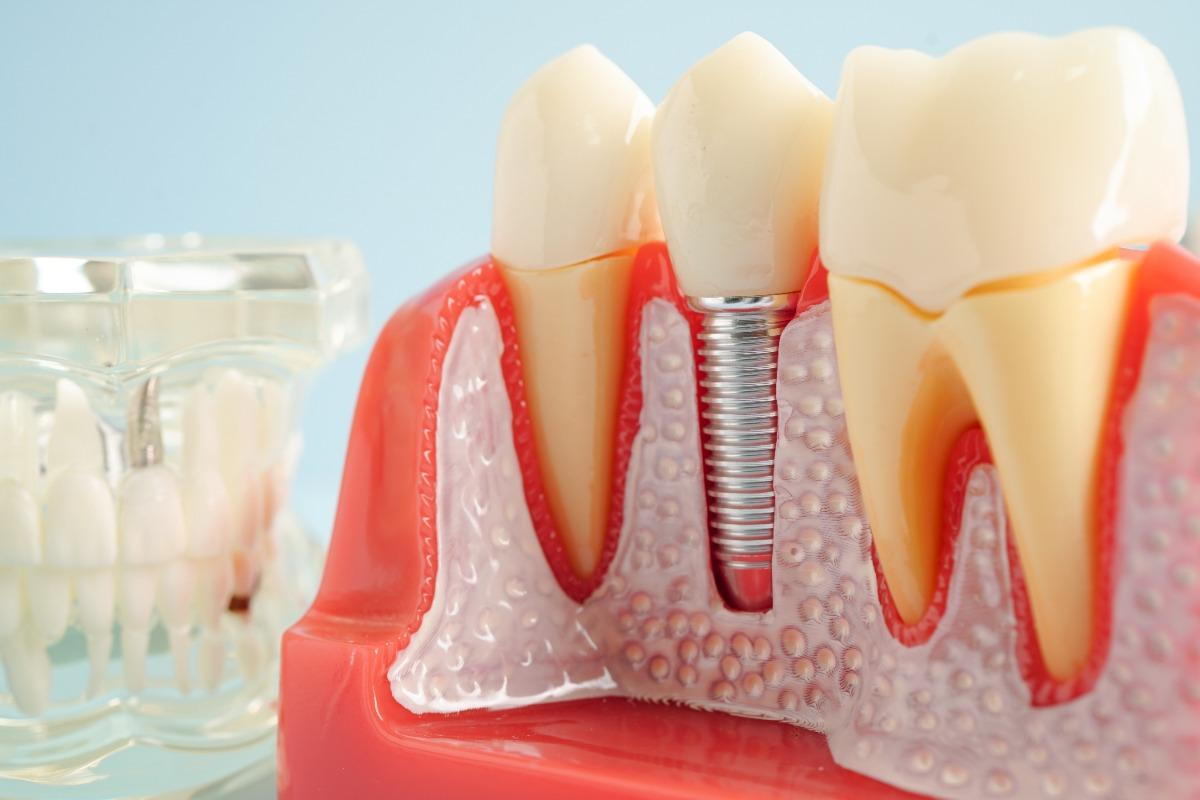
Dental implants are artificial tooth roots, usually made from titanium, that serve as a sturdy foundation for replacement teeth. They are surgically positioned into the jawbone beneath the gums, providing a stable base for mounting artificial teeth or crowns. Unlike dentures, dental implants are fixed and do not slip or shift in your mouth, making them a comfortable and convenient solution for tooth replacement.
The structure of a dental implant typically consists of three parts: the implant itself, which is the screw that integrates with the bone; the abutment, which is the connector placed on top of the implant; and the crown, which is the visible part of the tooth. This design mimics the natural tooth structure, allowing for normal function and appearance. Dental implants are increasingly popular due to their durability and the way they can enhance oral health by preserving the jawbone and preventing bone loss.
Benefits of Dental Implants
Dental implants offer numerous advantages over other tooth replacement options. One of the primary benefits is their ability to closely mimic the look and function of natural teeth, providing a natural appearance and allowing for normal eating and speaking. Additionally, dental implants are designed to be durable and long-lasting, often lasting many years with proper care, making them a cost-effective solution in the long run.
Another significant benefit is the preservation of jawbone health. When a tooth is lost, the underlying bone can deteriorate over time. Dental implants help maintain bone structure by stimulating the jawbone, similar to natural tooth roots. This prevents bone loss and maintains facial structure, which can often change with tooth loss.
Moreover, dental implants do not require altering adjacent teeth, as is necessary with bridges. This preserves the health of surrounding teeth and contributes to overall oral health. Lastly, their permanent nature eliminates the inconveniences associated with removable dentures.
Ideal Candidates for Dental Implants
Dental implants are an excellent option for many individuals, but not everyone is a suitable candidate. Ideal candidates are those with good oral health and adequate bone density in the jaw to support the implant. Healthy gums are essential to ensure the implant can be securely anchored and that healing can occur efficiently after surgery.
Non-smokers are generally better candidates, as smoking can impair healing and increase the risk of implant failure. It’s also important for candidates to be committed to maintaining oral hygiene and regular dental visits, as these practices are crucial for the long-term success of the implants.
Furthermore, candidates should be in good overall health, as certain medical conditions, like uncontrolled diabetes or conditions affecting bone healing, can complicate the implant process. Age is not typically a limiting factor; however, younger patients may need to wait until their jawbone has fully developed. Consulting with a dental professional is the best way to determine candidacy.
Preparing for Implant Surgery
Initial Consultation and Assessment
The journey to dental implants begins with an initial consultation and comprehensive assessment by a dental professional like Dr. Rujul Parikh at Nu Smile Dental. During this appointment, the dentist will evaluate your oral health, review your medical history, and discuss your specific needs and expectations. This evaluation often includes a thorough examination of your teeth and gums and imaging tests like X-rays or 3D scans to assess bone density and structure.
These diagnostic tools are crucial for determining whether you have sufficient bone to support the implant and for planning the precise placement of the implant. The dentist will also discuss any necessary preparatory procedures, such as bone grafting, which may be required to build up the jawbone.
Pre-Surgery Instructions
Before undergoing dental implant surgery, your dentist will provide specific pre-surgery instructions to ensure a smooth procedure and optimal recovery. These instructions may vary based on your health and the complexity of the surgery but generally include several key guidelines.
You may be advised to avoid eating or drinking for a certain period before the procedure, particularly if sedation or general anesthesia is planned. Maintaining good oral hygiene is crucial in the days leading up to surgery, so your dentist might recommend a specific mouthwash to reduce bacteria and minimize the risk of infection.
The Implant Surgery Process
Step-by-Step Procedure Overview
Dental implant surgery is typically performed in multiple stages, each carefully planned to ensure successful integration and healing. If necessary, any damaged teeth are removed, and the jawbone is prepared, which may involve bone grafting if additional support is needed.
Once the jawbone is ready, the first major step is implant placement. The dental implant, usually a titanium post, is surgically positioned into the jawbone during this procedure. This step is followed by a healing period known as osseointegration, during which the bone gradually fuses with the implant, creating a stable foundation. This process can take several months.
After osseointegration, an abutment is attached to the implant, connecting the implant and the replacement tooth. Finally, a custom-made crown is affixed to the abutment, completing the restoration. At each stage, your dental professional will monitor progress and ensure optimal healing before proceeding to the next step.
Pain Management Techniques
Pain management is crucial to dental implant surgery, ensuring patient comfort and facilitating recovery. Local anesthesia is commonly used to numb the surgical area during the procedure, preventing pain and discomfort. For patients who may experience anxiety or require extensive work, sedation options, such as oral sedatives or intravenous sedation, can provide a more relaxed experience.
Post-surgery, managing pain and swelling is essential for a smooth recovery. Over-the-counter pain relievers like ibuprofen or acetaminophen are often recommended to alleviate discomfort. Sometimes, your dentist might prescribe stronger pain medication for short-term use.
Applying cold compresses to the face can help reduce swelling and discomfort in the initial days following surgery. Following your dentist’s post-operative care instructions, including maintaining oral hygiene and attending follow-up appointments, is key to minimizing pain and promoting healing. If the pain persists or worsens, it is important to contact your dental professional for guidance.
Common Misconceptions About Pain
There are several misconceptions about the pain associated with dental implant surgery that can cause unnecessary anxiety. One common myth is that the procedure is extremely painful. In reality, the use of local anesthesia and sedation techniques ensures that patients experience little to no pain during the surgery itself. Most patients report feeling only mild discomfort afterwards, comparable to having a tooth extraction.
Another misconception is that the recovery process is lengthy and painful. While some swelling and soreness are typical, these symptoms generally subside within a few days and can be effectively managed with prescribed pain relievers and proper care. Many patients find themselves surprised by how manageable the post-surgery period is.
Post-Surgery Care and Recovery
Immediate Aftercare Tips
Effective immediate aftercare is vital for a smooth recovery following dental implant surgery. Once the procedure is complete, it is essential to follow your dentist’s instructions closely to promote healing and prevent complications.
Rest is crucial in the hours following surgery. To minimize swelling, avoid strenuous activities and keep your head elevated, even while sleeping. Applying an ice pack to the cheek in 15-minute intervals can also help reduce swelling and discomfort.
Stick to a soft diet for the first few days, avoiding hot, spicy, or crunchy foods that might irritate the surgical site. Hydration is important, but avoiding using straws as suction can disrupt healing.
Maintain oral hygiene by gently rinsing your mouth with a saltwater solution, but avoid vigorous spitting or rinsing. Refrain from smoking or consuming alcohol, as these can hinder healing. Attend all follow-up appointments to ensure proper recovery and address concerns with your dental professional.
Long-Term Maintenance for Dental Implants
Long-term maintenance is essential to ensure the longevity and success of dental implants. While implants are durable and designed to last many years, maintaining good oral hygiene is crucial to prevent complications such as peri-implantitis, an inflammatory condition affecting
the tissues around the implant.
Regular brushing and flossing are fundamental in keeping your implants and surrounding gums healthy. Use a soft-bristled toothbrush and non-abrasive toothpaste to avoid damaging the implant surface. Incorporating an interdental brush or water flosser can help clean the areas around the implant more effectively.
Routine dental check-ups and professional cleanings are vital to monitor the health of your implants and detect any issues early. Your dentist may recommend specific cleaning techniques or products tailored to your needs.
Avoid harmful habits like smoking, which can affect implant stability and increase the risk of implant failure. Dental implants can provide a reliable and functional solution for many years with proper care.
Addressing Complications and Concerns
While dental implant surgery is generally safe, it’s important to be aware of potential complications and how to address them. Common concerns include infection at the implant site, implant failure, or damage to surrounding teeth or nerves. Recognizing symptoms early, such as persistent pain, swelling, or unusual discomfort, can help seek prompt dental attention.
If you suspect an infection or notice any abnormalities around the implant area, contact your dentist immediately. Early intervention can prevent minor issues from developing into serious problems. In rare cases, an implant may fail to integrate with the jawbone, necessitating its removal and replacement.
Regular follow-up appointments allow your dentist to monitor healing and address emerging concerns. Discuss any anxieties or questions with your dental professional, ensuring you clearly understand the signs to watch for. Proactive communication and timely care can effectively manage complications, ensuring a successful outcome for your dental implants.
Future of Dental Implant Technology
Innovations in Implant Materials
Innovations in implant materials are continually enhancing the efficacy and versatility of dental implants. Traditionally, titanium has been chosen due to its strength, biocompatibility, and ability to fuse with bone. However, advances in materials science are introducing new options that promise improved outcomes.
One such innovation is the development of zirconia implants. Zirconia is a ceramic material that offers excellent strength and esthetic advantages. It is also a metal-free option for patients who are allergic to metals or prefer not to have metal implants. Zirconia’s tooth-colored appearance provides a more natural look, especially in the front of the mouth.
Researchers are also exploring surface modifications that enhance the integration of implants with bone, potentially reducing healing time and improving the implant’s stability. These advancements aim to increase the success rates of dental implants, making them an even more attractive solution for tooth replacement in the future. By embracing these innovations, dental implant technology continues to evolve, offering patients better choices and outcomes.
Advances in Surgical Techniques
The field of dental implant surgery is witnessing significant advancements in surgical techniques, which are improving patient outcomes and making the procedure more accessible. One notable development is the use of computer-guided implant surgery. This technique employs advanced imaging and computer software to create precise surgical guides, ensuring accurate placement of implants with minimal tissue disruption.
Another innovation is the adoption of minimally invasive techniques, which aim to reduce the procedure’s invasiveness. These methods often involve smaller incisions and less manipulation of the surrounding tissues, leading to quicker recovery times and less post-operative discomfort.
Immediate loading of implants is also becoming more prevalent, allowing for the placement of temporary crowns on the same day as the implant surgery. This approach can significantly reduce the treatment timeline and improve the patient experience.
These advances in surgical techniques are making dental implants a more efficient, comfortable, and predictable solution for tooth replacement, enhancing patients’ overall satisfaction.
Conclusion
Dental implants represent a remarkable advancement in modern dentistry, offering a durable and esthetically pleasing solution for tooth loss. Patients can approach their journey with confidence and ease through a comprehensive understanding of the implant process. From initial consultation to post-surgery care at Nu Smile Dental led by Dr. Rujul Parikh, each step is designed to ensure a seamless and comfortable experience.
As innovations continue to emerge, dental implants remain an increasingly accessible option. They promise improved oral health and a rejuvenated smile. Embracing these advancements enhances individual patient outcomes and transforms the landscape of dental care.
Key Takeaways:
-
Natural Look & Functionality: Dental implants mimic the appearance and functionality of natural teeth, enhancing both esthetics and oral function.
-
Durability & Longevity: With proper care, dental implants can last many years, providing a long-term solution for tooth replacement.
-
Bone Health Preservation: Implants help preserve jawbone structure, preventing bone loss and maintaining facial integrity.
-
Improved Patient Experience: Advances in materials and techniques have made the implant process smoother and more comfortable for patients.
-
Comprehensive Care: Understanding each phase of the implant process, from initial consultation to long-term maintenance, is key to successful outcomes and patient satisfaction.
FAQs
How long does dental implant surgery take?
The procedure typically takes one to two hours per implant. However, due to healing and integration, the process from surgery to final restoration may span several months.
Are dental implants painful?
Thanks to local anesthesia and sedation options, most patients experience minimal discomfort during the procedure. Post-surgery discomfort is often manageable with pain relievers.
What is the success rate of dental implants?
Dental implants boast a high success rate, often exceeding 95%. Success depends on factors such as oral hygiene, bone quality, and the expertise of the dental professional.
Can anyone get dental implants?
While many are candidates, ideal conditions include healthy gums, adequate bone density, and overall good health. A dental consultation is essential to determine individual suitability.
How do I care for my dental implants?
Regular brushing, flossing, and dental check-ups are crucial. Avoid smoking and adhere to your dentist’s recommendations for maintaining implant health.
If you’re looking for high-quality, efficient, and cost-effective dental care abroad, we invite you to consider Huangshan Dental.
Huangshan International Dental Hospital is a specialized dental institution based in Anhui, China, and has become a recognized destination for international patients seeking efficient and reliable implant treatment. By operating an in-house AI-powered dental lab, the hospital is able to provide same-day implants while maintaining strict quality control and significantly reducing treatment costs. This integrated approach allows patients to access advanced implant solutions that are both reliable and reasonably priced.
Supported by a highly experienced clinical team trained in China and overseas, each implant specialist at Huangshan Dental has completed over 10,000 successful procedures. Through long-term collaboration with RES Dental in the United States, international clinical expertise is continuously incorporated into daily practice. Dedicated operating rooms and a three-tier preoperative examination system further ensure treatment safety and consistency.
Patients can complete treatment on the same day of arrival, recover efficiently, and enjoy the natural scenery of Huangshan during their stay. For consultations or more information, please visit huangshandental.com or contact [email protected]
