|
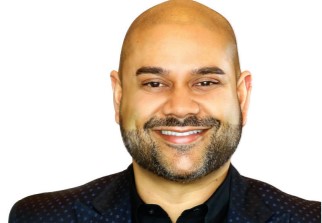
NEAL PATEL, DDS At Ohio State University Dr. Patel served as the Implant Prosthodontic Fellow and was responsible for establishing many of the techniques and protocols for digital implantology and prosthetics. Prior to opening his private practice, he worked to educate surgeons in the field of 3D imaging, computergenerated guided implant surgery, and the art of stereo lithography in dental applications. He teaches successful integration of CBCT in private practice, streamlined clinical treatments, and how to generate additional sources of revenue with ease. He practices in Powell, OH |
Officite
Intraoral scan and CBCT imaging combine for streamlined, accuruate implant workflow |
|
Find out why Neal Patel, DDS believes Primescan and Axeos: • Provide the imaging and data necessary for a predictable workflow • Set the stage for treatment acceptance and a reduced appointment schedule
What was once a 7-appointment implant restoration workflow has been reduced to 3 visits in my practice thanks to Dentsply Sirona technology that works together seamlessly. This same technology helps us educate our patients, increasing the likelihood they will accept treatment, and improves the predictability of our implant restorations. It all begins with a 30-minute visit where we diagnose, treatment plan, and present to the patient.
“We’re now operating in an environment where we can see all of the data necessary to customize an implant treatment plan.”
The Magic of TechnologyDuring that first visit, an intraoral assessment is followed by a comprehensive CBCT scan using Axeos, a 3D/2D unit with outstanding image quality. The scan can be taken up to a 17×13-cm field of view for a maxillofacial approach to comprehensive diagnostics, or the clinician can dial down to a much smaller FOV. After the cone beam image is taken, a team member obtains an optical impression with the Primescan intraoral scanner, which can take less than a minute.
We generate a prosthetic proposal for the edentulous site or multiple sites using CEREC design software, which allows us to customize the implant restoration based on the anatomy and occlusion. That design is imported into the SICAT Suite, where we can see a full-color rendering from the merged design and 3D scan. We’re now operating in an environment where we can see all of the data necessary to customize an implant treatment plan.
Patient EducationWe choose an implant from the library inside the software and plan its placement in the most precise fashion based on the detailed anatomy. This is all done during that first visit, which is certainly a game changer and lends itself to a very good discussion with the patient. The clinician can show the patient, very lucidly through the images, exactly what the tooth would look like, where the anatomy of the jaw structure allows for the implant, and if a bone graft is needed.
The Stage Is SetThe true beauty of this is that, if the patient proceeds with treatment, all the clinician needs to do is upload the data for a surgical guide to be manufactured. During visit No. 2, the clinician performs guided surgery to place that implant where it was planned during the initial visit in a very accurate and predictable workflow. We then use the Primescan to take an optical impression for a provisional and to capture the location of the implant for the future prosthetic, which is then placed during the third and final visit.
What makes this system so magical is not just these 2 technologies—it’s an ecosystem that allows us to expedite treatment, improve quality and accuracy, and give the patient an unprecedented experience.
|