

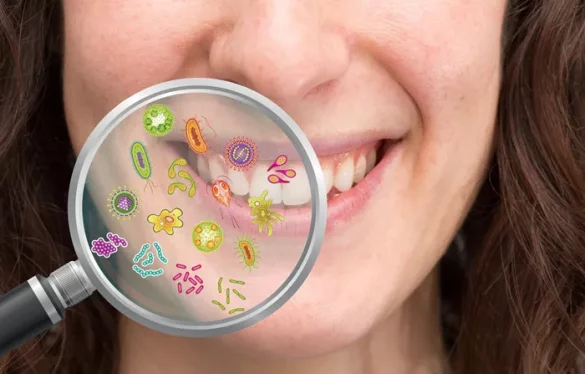
Millions of people brush their teeth twice a day, yet poor oral hygiene remains a leading cause of dental problems worldwide.
Dental experts warn that many people may unintentionally damage their oral health through incorrect brushing techniques. Common mistakes include brushing too hard, holding the brush at the wrong angle, and neglecting critical areas such as the gum line.
In Kenya, the problem is compounded by limited access to dental care. The Ministry of Health reports a dentist-to-population ratio of just 0.27 per 10,000 people—far below the World Health Organization’s recommended level. According to the ministry’s 2023 Kenya Health Facility Census, only 13 percent of health facilities provide oral health services, with rural and primary care settings facing the greatest shortages.
The country also faces widespread oral disease. A national survey conducted a decade ago found that 98.1 percent of adults suffer from gum disease. Tooth decay affects nearly half of five-year-old children, while dental fluorosis, largely linked to borehole water consumption, impacts more than 41 percent of children.
Dr. Rebecca Kiptui, Acting Director for Curative and Nursing Services, highlighted the government’s ongoing response during World Oral Health Day in March. She noted that the Ministry of Health is implementing the National Oral Health Policy 2022–2030 and the Kenya National Oral Health Strategic Plan 2022–2026 to reduce the country’s high burden of oral diseases.
The initiatives focus on strengthening governance and infrastructure, increasing community participation in preventive care, expanding service delivery, and integrating oral health into the Universal Health Coverage (UHC) framework. A key emphasis is linking oral diseases to non-communicable diseases (NCDs).
Globally recognized oral and maxillofacial surgeon Dr. Andrew Mueller, founder of Doctor Implants in the United States, warns that improper brushing poses particular risks for people with dental implants. Unlike natural teeth, which are cushioned by a periodontal ligament, implants rely entirely on surrounding gum tissue for stability and health.
“Many patients believe they maintain excellent oral hygiene, only to discover gum recession, enamel wear, and other preventable issues,” Dr. Mueller says. “The problem is not the lack of brushing, but techniques that actively harm oral health.”
The surgeon emphasizes that gentle, proper brushing is far more effective than aggressive scrubbing. “Use a soft-bristled brush and let the bristles do the work, not your arm muscles,” he advises.
Common Brushing Mistakes
Brushing Too Hard
One of the most frequent errors is applying excessive pressure. Many believe scrubbing harder removes more plaque, but this approach damages teeth and gums.
“Patients often wear away enamel after years of aggressive brushing,” Dr. Mueller explains. “They think they are thorough, but they are essentially sanding their teeth, which can lead to painful sensitivity.”
Excessive pressure also causes gum recession, exposing sensitive roots. These areas can trap bacteria, leading to infection and potential tooth loss.
Incorrect Brush Angle
Proper brushing requires holding the toothbrush at a 45-degree angle to the gums. Brushing straight across misses the junction where teeth meet gums, leaving bacteria unchecked.
“The 45-degree angle allows bristles to clean beneath the gum line, where bacteria thrive,” Dr. Mueller says. “Brushing straight across only cleans the tooth surface, leaving the most problematic areas untouched.”
