


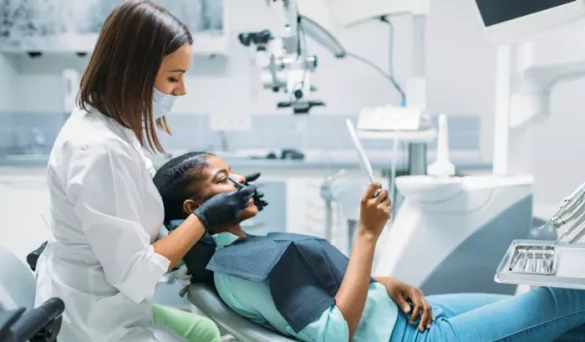
In a time when health disparities are becoming more visible, Registered Dental Hygienists in Alternative Practice (RDHAPs) are helping close critical gaps in dental care. These licensed professionals are trained to provide preventive services independently, especially in areas where access to regular dental care is limited or unavailable.
Bringing Dental Care Where It’s Needed Most
Across the United States, millions live in areas officially designated as Dental Health Professional Shortage Areas. According to the Health Resources and Services Administration (HRSA), more than 67 million Americans do not have adequate access to dental providers.
RDHAPs help fill this void by offering services in nontraditional settings—including schools, nursing homes, community centers, and patients’ homes. This approach ensures that individuals with mobility issues, low income, limited English proficiency, or transportation barriers can still receive the dental care they need.
Elderly patients, individuals with disabilities, and low-income families benefit most from these services. A study in the Journal of Public Health Dentistry found that RDHAPs in California have significantly increased access to dental care for people who previously lacked a regular provider.
By working independently within their professional scope, RDHAPs reduce the burden on traditional dental clinics while promoting greater equity in oral health care.
High-Quality Preventive Care for Better Health
RDHAPs not only improve access but also ensure the quality of care remains high. As preventive providers, they are trained to detect early signs of oral disease, perform dental cleanings, and teach patients how to maintain their oral hygiene. These preventive steps are key to avoiding tooth decay and gum disease.
More importantly, good oral health is linked to better overall health. Studies have shown that proper dental care can help reduce the risk of serious health problems like heart disease, diabetes, and respiratory infections.
RDHAPs also focus on patient education and personalized care. By spending more time with each patient and understanding their social and health challenges, they take a more holistic approach. This improves patient satisfaction and leads to better long-term outcomes.
By helping patients avoid emergency dental visits and expensive treatments, RDHAPs also contribute to lower health-care costs for families and public systems.