

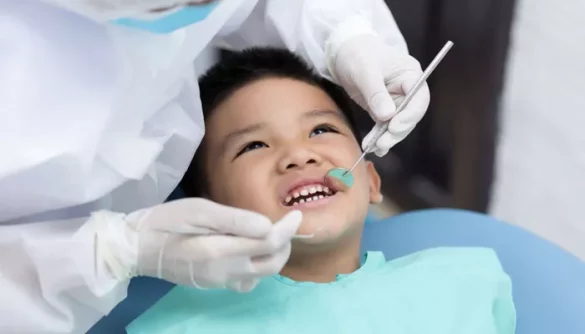
Researchers at the Children’s Hospital of Philadelphia (CHOP) have shown that a broad intervention strategy can dramatically increase the use of dental fluoride varnish, a treatment that strengthens enamel and prevents tooth decay in children.
The study, published in Pediatrics under the title “Increasing Dental Varnish Rates in a Large Pediatric Care Network: A Quality Improvement Effort,” found that the approach not only surpassed its targets but also delivered consistent results across different insurance plans, races, and ethnic groups.
Fluoride varnish is a safe, effective method to lower cavity risk without causing fluorosis. Although both commercial and Medicaid insurance cover the procedure at no cost to families, its use remains low nationwide. Fewer than 10% of Medicaid-insured children and only 5% of those with private insurance receive the treatment during pediatric visits.
To address this gap, CHOP researchers launched a quality improvement program from July 2023 to October 2024. Their goal was to raise varnish application rates for children aged 6 months to nearly 6 years from 5% to 20% within one year.
Strategies included electronic health record prompts, staff training, certification checks, and financial incentives.
The results were striking. Across 92,056 preventive visits, varnish use rose from 3.7% before the initiative to 30.5%. Annual application rates more than doubled, climbing from 25% to over 50%. Adoption spread from six pilot sites to all 33 practices in the network, with gains seen across insurance coverage, race, and ethnicity. Insurance reimbursement for the service also increased.
“Our study shows that with a few targeted strategies, we can significantly raise fluoride varnish rates across a pediatric network,” said senior author Dr. Brian Jenssen, pediatrician and Associate Director of Clinical Impact at CHOP’s Clinical Futures. “This model could be easily adapted nationwide to help more children maintain healthy teeth.”
