

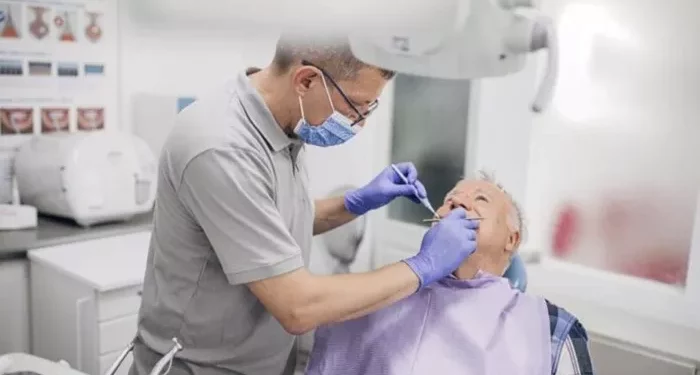
A new study is examining whether less-invasive dental treatments can effectively prevent and treat cavities in older adults who face barriers to routine dental care.
The research is led by Suchitra Nelson, associate dean and professor at the Case Western Reserve University School of Dental Medicine. It builds on earlier findings that showed two drill-free methods are as effective as traditional treatments.
The study focuses on residents of subsidized housing, a group that often lacks dental insurance and faces transportation and mobility challenges. Many avoid dental visits because of fear of pain from drilling and injections.
Participants will receive one of two treatments that do not require anesthesia. The first, silver diamine fluoride (SDF), is a liquid applied to cavities to stop decay, kill bacteria and strengthen tooth surfaces. The second, atraumatic restorative treatment (ART), removes decayed tissue with hand tools before placing a restorative material.
“Long-term evidence for these treatments is lacking,” Nelson said. “This follow-up study can help identify the best options to prevent and treat tooth decay.”
The five-year study is funded by a $5 million grant from the Patient-Centered Outcomes Research Institute. It will track 480 participants at 33 subsidized housing sites across Northeast Ohio over one year, with three visits to address new cavities.
According to the Centers for Disease Control and Prevention, nearly 96% of older adults in the United States have had cavities, and about one-third of non-Hispanic Black, Hispanic and low-income older adults have untreated decay. Untreated cavities can lead to pain, infection, tooth loss and may worsen conditions such as heart disease, lung disease and diabetes.
In an earlier PCORI-funded study involving 568 participants, researchers found SDF and ART were equally effective and could be delivered by dental hygienists in community housing settings.
Although the current study targets older adults, Nelson said the results could benefit patients of all ages by expanding access to simpler, less-invasive dental care.
