

When faced with severe tooth pain or infection, many patients ask: should I extract my tooth or get a root canal? This decision is crucial. It affects your oral health, treatment costs, and long-term dental stability. Both options have benefits and drawbacks. This article explains both in detail using clear, factual, and easy-to-understand information.
What Is A Root Canal?
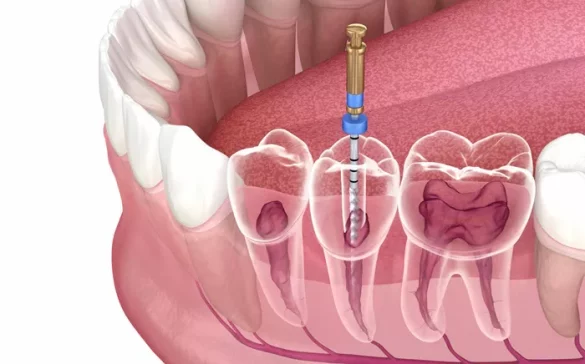
A root canal is a dental procedure used to treat infection at the center of a tooth. It involves removing the infected pulp tissue, cleaning the inner chambers, and sealing the space to prevent further infection. It is usually recommended when the nerve or pulp is damaged due to deep decay, cracks, or trauma.
Root Canal Procedure Overview
Local anesthesia is administered to numb the tooth.
The dentist creates a small opening in the crown.
Infected pulp and bacteria are removed.
The canals are cleaned, shaped, and disinfected.
The canals are filled and sealed with a rubber-like material called gutta-percha.
The tooth is restored with a filling or crown.
Benefits of Root Canal Therapy
Root canals preserve your natural tooth. They help maintain your bite alignment and prevent the bone loss that may follow extraction. The treatment eliminates infection while allowing you to keep your tooth’s structure. Root canals also resolve symptoms like sensitive teeth and inflammation from gum disease.
What Is Tooth Extraction?
Tooth extraction is the complete removal of a tooth from the mouth. It is performed when the tooth is too damaged to repair or when saving it would risk overall oral health. Extractions are common for impacted wisdom teeth, advanced gum disease, or irreparable tooth fractures.
Tooth Extraction Procedure Overview
Anesthetic is given to numb the area.
The dentist loosens the tooth using special instruments.
The tooth is gently removed from the socket.
Gauze is placed to control bleeding.
Post-extraction care instructions are provided.
When Extraction May Be the Better Option
Extraction is often the best choice when a tooth is beyond repair. This includes cases with:
Severe fractures below the gum line
Uncontrolled infection spreading beyond the tooth
Advanced periodontal (gum) disease
Extensive decay that compromises most of the tooth
Persistent sensitive teeth that do not respond to treatment
Comparing Root Canal and Extraction
Pain and Discomfort
Modern root canals are no more painful than fillings. With anesthesia, the procedure is usually painless. Post-procedure discomfort is manageable with over-the-counter medications.
Extractions are also done under anesthesia. However, healing can take longer and be more painful, especially if the tooth is impacted or surgical extraction is required.
Healing Time
Root canal recovery is usually quick—typically just a few days. Most people return to normal activities shortly after the procedure.
Tooth extractions may require one to two weeks to heal. Complex cases, such as surgical extractions, may need more time.
Cost Comparison
While initial costs vary by location and provider, root canals often cost more than extractions. However, if you consider the cost of replacing a missing tooth (via bridge, denture, or implant), extraction becomes more expensive in the long term.
Impact on Oral Health
Root canals support long-term dental health by preserving the natural tooth. This helps maintain jawbone density and bite function. In contrast, extractions can lead to shifting teeth, jawbone loss, and further dental complications if not followed by a proper tooth replacement plan.
Key Factors to Consider Before Choosing
1. Condition of the Tooth
If the structure of your tooth is mostly intact and the infection is localized, a root canal may be best. However, if the tooth is extensively decayed or fractured, extraction may be necessary.
2. Presence of Gum Disease
Gum disease can affect the stability of teeth. In severe cases where bone loss occurs, extraction may be unavoidable. If the surrounding gum and bone are healthy, root canal therapy remains a viable option.
3. Tooth Sensitivity
Chronic sensitive teeth may indicate nerve exposure or pulp infection. A root canal can eliminate the sensitivity by removing the affected nerve. If sensitivity stems from structural damage beyond repair, extraction may be more suitable.
4. Age and Long-Term Prognosis
Younger patients often benefit from preserving the natural tooth through a root canal. However, if long-term prognosis is poor due to other dental or health issues, extraction with prosthetic replacement might be better.
5. Financial Constraints
Root canal costs can be high if insurance does not cover it. Extractions are generally more affordable initially. However, one must account for the long-term expense of replacing the lost tooth.
Tooth Replacement After Extraction
After extraction, missing teeth can cause shifting, bite changes, and bone loss. Replacement options include:
Dental Implants
These are permanent replacements that mimic natural teeth. They help preserve bone and function.
Dental Bridges
Bridges use neighboring teeth for support and fill the gap left by the missing tooth.
Partial Dentures
Removable options that restore appearance and function but may be less stable than implants or bridges.
What Happens If I Do Nothing?
Leaving a decayed or infected tooth untreated can lead to serious complications:
- Infection may spread to other areas of the body.
- Tooth abscesses can form and cause severe pain.
- You may experience bone loss or damage to nearby teeth.
- Advanced infection can impact systemic health, especially in those with chronic conditions.
Which Option Do Dentists Prefer?
Most dental professionals aim to preserve the natural tooth when possible. Root canal treatment aligns with this goal. However, when preservation is no longer viable, extraction becomes the best choice. Your dentist will evaluate the specific condition of the tooth, surrounding gums, and overall oral health before making a recommendation.
Personalized Decision Making
The choice between extraction and root canal is not universal. It depends on medical history, dental health, pain tolerance, and financial situation. Always consult with a licensed dentist or endodontist. They can provide X-rays and clinical evaluations to guide your treatment plan.
Conclusion
Deciding whether to extract a tooth or get a root canal is a personal and clinical decision. Root canals offer a chance to preserve your smile, structure, and function. Extractions, while sometimes necessary, require careful planning for tooth replacement. Understanding the procedures, risks, and benefits allows you to make informed choices that protect your long-term oral health.
Whether you’re suffering from gum disease, sensitive teeth, or a dental infection, the right treatment depends on expert advice and your unique dental profile. Act quickly, seek professional help, and prioritize your oral well-being.
