In the intricate world of dentistry, the sign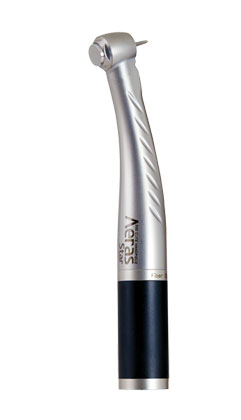 ificance of small equipment often goes unnoticed, overshadowed by more prominent tools and technologies. However, these seemingly modest instruments play a crucial role in ensuring precision, efficiency, and patient comfort within a dental practice.,
One of the key aspects where small equipment shines is in diagnostics. Instruments like dental mirrors and explorers allow dentists to closely examine areas that might be challenging to access with larger tools. This meticulous examination is essential for early detection of dental issues, enabling timely intervention and preventing the progression of problems.
When purchasing three essential pieces of dental equipment—dental mirrors, handpieces and burs, and autoclaves—consider the following key features to ensure optimal performance and compliance with industry standards:
Dental Mirrors:
Material Quality: Choose mirrors made from high-quality materials like stainless steel to ensure durability and resistance to corrosion.
Reflectivity: Opt for mirrors with high reflectivity to obtain clear and detailed images during oral examinations.
Ergonomic Design: Look for mirrors with ergonomic handles for comfortable grip and ease of maneuverability, allowing precise examinations without causing strain to the dentist.
Handpieces and Burs:
Type of Handpiece: Consider the type of handpiece, whether air-driven or electric, based on the specific needs of your practice. Electric handpieces often provide higher torque and precision.
Compatibility: Ensure compatibility between handpieces and burs to guarantee seamless integration and efficient performance during various dental procedures.
Sterilization Compatibility: Choose handpieces that can be easily sterilized to maintain a hygienic environment and comply with infection control protocols.
Autoclaves:
Sterilization Capacity: Determine the autoclave’s capacity to ensure it can accommodate the volume of dental instruments used in your practice, promoting efficiency.
Cycle Time: Opt for an autoclave with short cycle times for quicker instrument turnaround, enhancing workflow efficiency.
Monitoring and Validation Features: Look for autoclaves with monitoring and validation features to ensure sterilization effectiveness, including indicators for temperature, pressure, and cycle completion.
By prioritizing these features, dental practitioners can make informed decisions when selecting dental mirrors, handpieces and burs, and autoclaves, ultimately enhancing the overall functionality, durability, and safety within their dental practice.


