

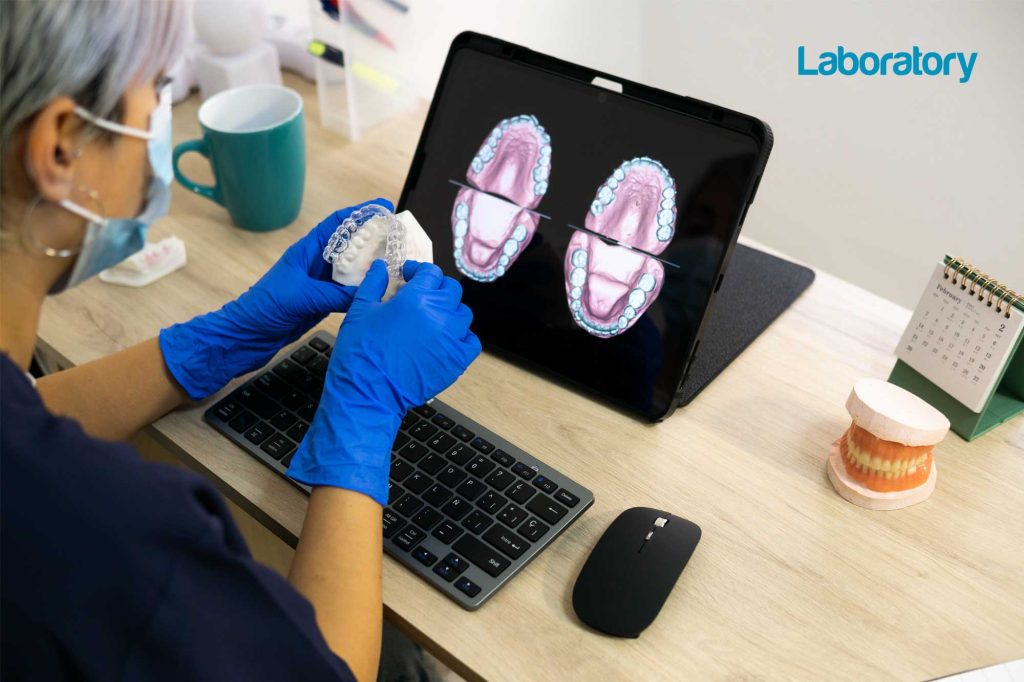
With rising costs, fewer technicians and fiercer competition, Eleanor Pittard outlines how to future-proof your dental laboratory.
For years, many dental laboratories have grown by reputation alone. A dentist tries your work, likes it, tells a colleague, and the phone rings again. But in 2025, that ‘wait for the call’ approach is risky.
Costs are up, staff are scarce, and competition is tightening.
UK dental laboratory revenue is about £900 million and still growing at around 6% a year, but growth isn’t shared equally.
The number of registered dental technicians has fallen from roughly 7,500 in 2008 to under 5,000 today, with only 168 new technicians joining in 2024.
Consolidation is increasing, with larger groups buying up independent labs. There is plenty of opportunity, but only for labs that treat business development with the same structure they give to production.
Know where your work comes from
Start by looking at your client list. If one practice provides more than about 15% of your monthly revenue, you’re vulnerable. A sudden move, retirement or change of ownership at that practice could leave a big hole.
A simple monthly report of your top clients and their share of your income is enough to spot risks early. If you are heavily reliant on one or two dentists, set a goal to bring in a handful of trial accounts over the next three months to spread the load.
Make your digital strength a selling point
Many labs have invested in scanners, design software and 3D printers, but few talk about it well. Dentists care about predictable results and fewer remakes, not the technical jargon. Show them what matters: quicker turnaround, fewer adjustments and consistent quality. A short ‘digital welcome pack’ for new dentists – with clear turnaround times and a direct contact for urgent cases – can set you apart without overwhelming anyone with specs.
Create a simple outreach habit
Business development doesn’t have to mean cold calling hundreds of practices. Try this: each week identify a small number of local surgeries you’d like to work with and send a short, friendly email or drop off a one-page leaflet.
Lead with something useful, perhaps a tip for better scans or a fast-track denture service, and invite them to send one trial case. Even a steady rhythm of five or six genuine contacts a week can add up to a strong pipeline by the end of the year.
Market where dentists actually look
Most dentists check social media and professional forums daily. Share short, helpful posts: a shade-taking tip, a before and after photo (with consent), or a quick video of how you prevent remakes. This type of content builds trust and keeps your lab in mind when they need a new partner.
Match promises to capacity
With fewer technicians entering the profession, your team’s time is your most valuable asset. Be honest about turnaround times and price urgent work to reflect the extra effort. A clear service agreement with your main clients protects everyone and prevents burnout.
The next 90 Days
Set one practical goal for the next quarter:
- Reduce any single client’s share of your revenue
- Send a trial-case invitation to at least 20 new practices
- Post one genuinely helpful social update each week.
Small, steady steps build a lab that can thrive no matter how the market shifts.
The bottom line
Growth today is not about shouting the loudest, it’s about being visible, reliable and proactive.
A lab that tracks its client mix, tells a simple digital story, and reaches out consistently won’t just survive the changes ahead, it will set the standard for the next generation of dental laboratories.
