


Malocclusion is a pervasive oral health issue associated with numerous diseases and conditions that may affect a patient’s overall health and quality of life. Oral health issues associated with malocclusion are linked to a range of systemic health problems. For example, bacteria from the oral cavity have been identified in Alzheimer’s lesions and in atherosclerotic plaques,and periodontal disease is a well-documented risk factor for cardiovascular disorder, stroke and impaired glucose control.1–5 There is evidence that the systemic spread of oral bacteria may induce chronic systemic inflammation.
As patients with severe malocclusion often have difficulty chewing their food, some researchers have suggested a link between malocclusion and gastrointestinal disorders such as acid reflux and leaky gut syndrome.6 Additional research is beginning to uncover how under-developed jaws and malocclusion may contribute to upper airway resistance and obstructive sleep apnea.7
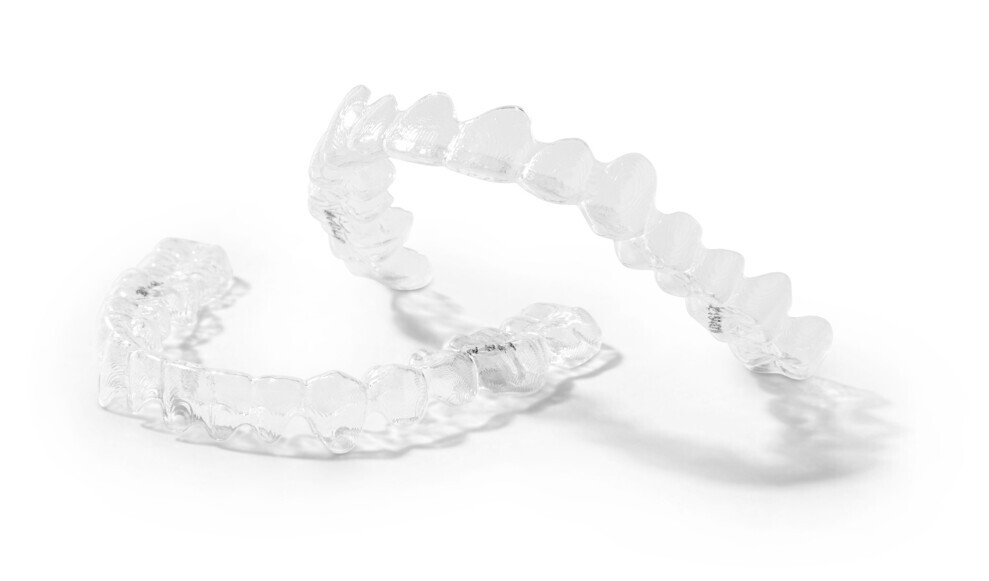
Fig. 2: SureSmile clear aligners are made with advanced technology and quality controls to ensure a precise fit, durability and a discreet appearance.
Beyond the physical pain and discomfort associated with misaligned teeth, the aesthetic impact of malocclusion can undermine patients’ self-esteem, confidence and social lives. Multiple studies have found that malocclusion negatively affects the psychological well-being of adults, many of whom experience anxiety, depression and interpersonal difficulties as a result of concerns over their appearance.8
These findings underscore the importance of considering all aspects of a patient’s oral health—including his or her behaviour, attitudes and other risk factors—when assessing malocclusion and developing a treatment plan. Guided by decades of orthodontic expertise, the SureSmile system (Dentsply Sirona) offers the technical support, clear aligner options and proprietary planning methods to help clinicians address malocclusion with customised and predictable treatment plans for their patients.
A discreet treatment modality that addresses form and function
Aligners play an important role in the treatment of malocclusion. In the hands of a dentist, aligners can do more than improve aesthetics by aligning the “social six” teeth patients associate with their smile. Aligners can effectively treat the entire mouth, correcting a broad array of malocclusions and potentially alleviating associated oral health issues to improve the patient’s health in a holistic fashion. Clear aligner therapy also addresses a common patient concern about undergoing orthodontic treatment by enabling predictable achievement of the patient’s desired outcome without the use of unsightly and uncomfortable brackets and archwires.
Backed by Dentsply Sirona—a global leader in dental solutions with over 100 years of experience in oral healthcare—SureSmile aligners correct malocclusion in a deliberate, strategic and holistic fashion. Expert technicians in the SureSmile digital laboratory build customised set-ups and staging for aligners by applying more than 20 years of experience in orthodontic treatment planning to ensure dentists and their patients have an excellent treatment experience.
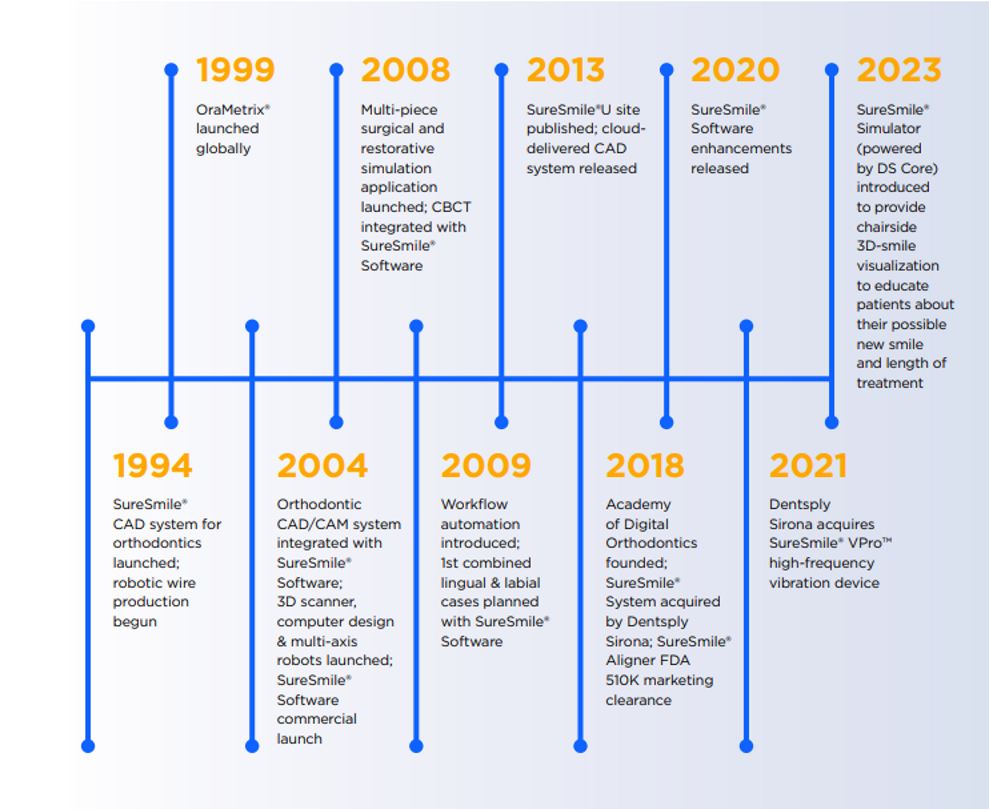
Fig. 3: SureSmile boasts over two decades of pioneering digital orthodontics.
The SureSmile difference
Diagnosis
Effective and predictable SureSmile treatment plans start with a high-quality digital impression. SureSmile is an open platform that accepts digital impressions from Primescan (Dentsply Sirona) and other commonly used intra-oral scanners for seamless integration into existing digital workflows.
Intra-oral scans, radiographs, smile photographs and CBCT images are combined by experienced technicians using advanced software tools to build complete 3D models of the crowns, roots, gingivae and bone. In a study published in the American Journal of Orthodontics and Dentofacial Orthopedics, SureSmile software’s 3D models provided the best combination of accuracy, reproducibility and time efficiency of measurement.9
After the quality of each 3D model has been verified by SureSmile’s data integrity team, intra-oral and extra-oral photographs are used to establish the global position of the model, which is the natural position of the smile on the patient’s face. Setting the correct global position of the model using all records provided by the clinician ensures that treatment planning begins how the patient presents.
Treatment plan—the final treatment outcome
With an established link between the patient records and the 3D models, SureSmile digital laboratory technicians can begin digitally aligning the teeth according to the dentist’s prescription. Supported by proprietary treatment planning software and visualisation tools, SureSmile digital laboratory technicians can reliably plot an efficient and predictable approach to correcting malocclusion while ensuring forces are applied judiciously and refinements are minimised. This expertise is the foundation of the partnership between clinicians and the SureSmile digital laboratory, resulting in treatment plans customised for each patient based on their specific needs and goals.
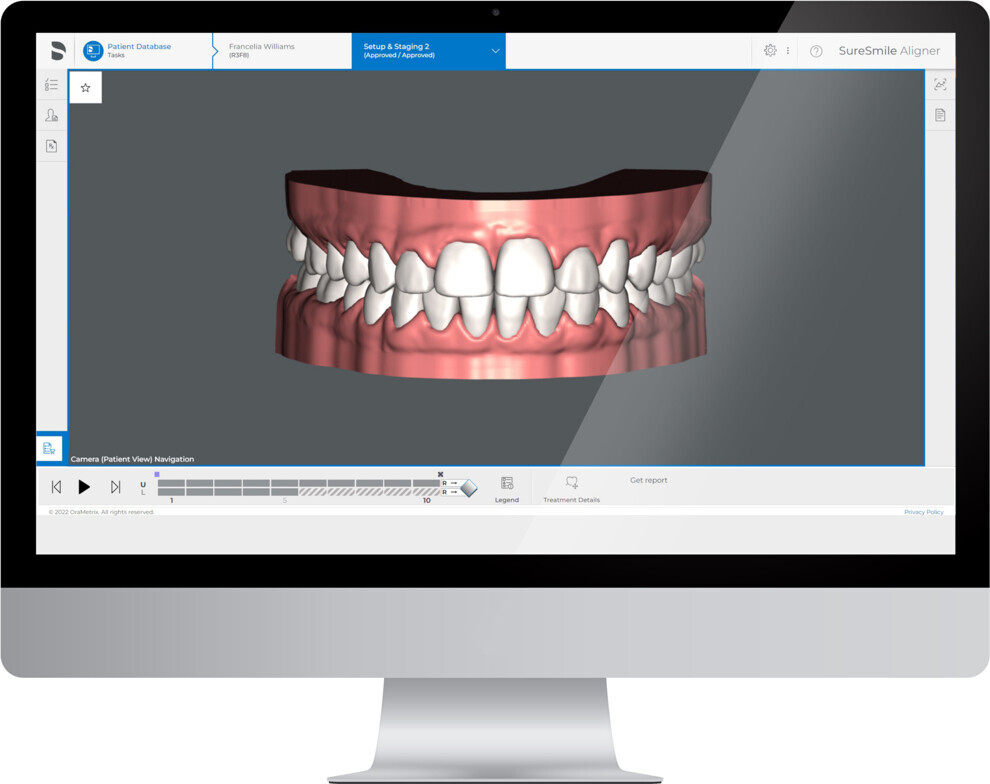
Fig. 4: Effective and predictable SureSmile treatment plans start with a high-quality digital impression.
SureSmile planning software suggests the most efficient treatment plan. The final set-up, or the model of the desired treatment outcome, is reviewed by the quality control team before the individual patient’s treatment plan is divided into stages.
Staged models
Staging design involves several levels of quality assurance. As a tooth moves across any of the three planes of motion (sagittal, coronal and transverse), a number of factors can interfere with smooth, gradual and predictable movement. How teeth move across the three dimensions of space can greatly influence the success of reaching the desired outcome. SureSmile incorporates the biomechanics of tooth movement, published research, experience from SureSmile’s founding orthodontists and a digital laboratory with exceptional attention to detail to give clinicians assurance regarding the smiles being created. SureSmile digital laboratory technicians assess each plan to flag any movements that could be achieved more easily or should be avoided. This ensures that clinicians and their patients benefit from SureSmile’s extensive orthodontic knowledge and experience. Furthermore, SureSmile’s proprietary software incorporates powerful artificial intelligence to automate staging calculations.
Accommodation staging—enhancing patient compliance by easing into treatment
SureSmile digital laboratory experts are always at the centre of the planning process, applying logic and a concern for the patient’s well-being to every case. This ensures that considerations such as patient comfort are incorporated into the treatment plan. For example, in many cases, SureSmile technicians recommend starting off with simple, comfortable movements to help encourage patients to stay compliant with treatment. This accommodation staging delays some of the more uncomfortable tooth movements until later in the treatment plan so that patients can become used to wearing their aligners before more forceful movements are applied.
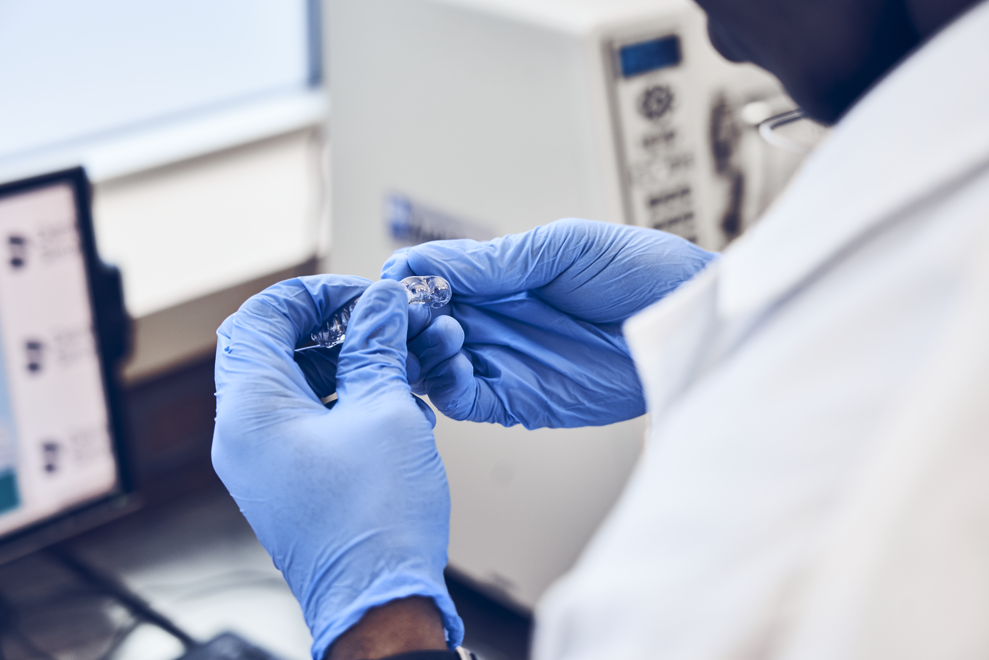
Fig. 5: SureSmile digital laboratory experts are always at the centre of the planning process.
Variable tooth movement constraints
In the digital laboratory technicians use the SureSmile software to calculate and customise the ideal amount and speed of tooth movement the individual patient needs for optimal outcomes. These movement rates, or aligner constraints, are based on observations and proprietary calculations pioneered by SureSmile’s founding orthodontists. These constraints balance a number of factors to arrive at an individualised recommendation for treatment staging, specifically:
- patient safety;
- average rates of biological tooth movement when subject to optimum mechanical force;
- the amount of movement desired during each stage; and
- which movements are combined into a single stage and whether they work with or against each other.
The SureSmile tooth movement system applied to an incisor
The SureSmile digital laboratory assesses all the forces to be applied to each tooth throughout a clinician’s proposed treatment plan. SureSmile then uses that information to recommend the most efficient and least disruptive set of movements needed at each stage of the plan for a successful, predictable outcome. Synergistic movements require less force and often involve more movement of the crown. Antagonistic movements require greater force and are expressed over more aligners. When possible, SureSmile prefers to stage these combinations of movements independently. Consider this in following cases.
Synergetic movement
In this case (Figs. 6 & 7), the clinician wished to apply +8° of torque and +0.8 mm of buccal movement with intrusion to an incisor. Facial crown torque and buccal movement are considered synergistic; they can be combined to improve the outcome. The rate of movement can be safely increased, compared with a scenario where facial crown torque and buccal movement are applied to the tooth in separate stages without sacrificing predictability.
Antagonistic movement
In this case (Figs. 6 & 7), the clinician wished to apply –8° of torque and +0.8 mm of buccal movement to an incisor. Lingual crown torque and buccal movement are considered antagonistic; the conflict between them impedes the expression of either or both. The rate of movement should be reduced compared with a scenario where lingual crown torque and buccal movement are applied to the tooth in separate stages to ensure both movements are fully expressed. To compensate for the slower movement rate, SureSmile software will identif
