Click, bond, save – a win-win adhesive
Adhese Universal is a light-cured single-component adhesive for bonding direct and indirect restorations. One adhesive for complete flexibility. Sustainability is more than a buzzword Because


Adhese Universal is a light-cured single-component adhesive for bonding direct and indirect restorations. One adhesive for complete flexibility. Sustainability is more than a buzzword Because
Main Content Researchers have developed a novel bioinspired adhesive patch for intraoral use, called DenTAl, which has strong adhesion against diverse wet and dynamically moving
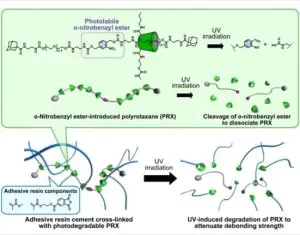
Researchers at Tokyo Medical and Dental University have developed a method of making dental materials easier to remove for short-term treatments that are not supposed
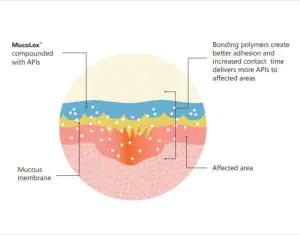
Researchers have completed a pilot study that shows promise for patients with oral lichen planus (OLP), which can result in a burning sensation, pain, and
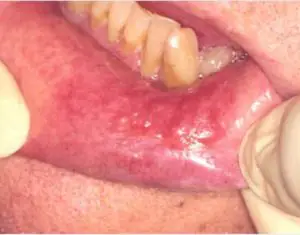
The Rivelin Clobetasol patch (Rivelin-CLO) from AFYX Therapeutics has met the primary and secondary endpoints in a Phase 2b study in patients with oral lichen
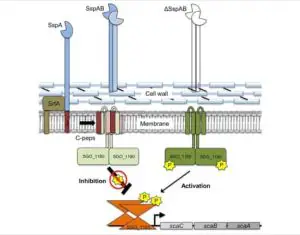
After studying how oral bacteria adhere to and develop biofilms in the oral cavity, researchers at the University of Minnesota have discovered a signaling pathway
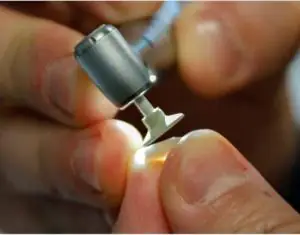
A compound used to make car bumpers strong and protect wood decks could prevent return visits to the dentist’s office, according to researchers at the
Dr Aly Virani and Dr Franco Vittorio relate their experiences with Dentsply Sirona’s new universal adhesive, Prime & Bond active, and explain why for the
Amalgam is easier to use and less costly than composite resin in fillings, and it can last 10 to 15 years or more. Composite resin
CuRE Innovations LLC, a startup founded to develop dental materials invented by faculty at the Medical University of South Carolina (MUSC), will use a $211,111
Teeth that have undergone endodontic therapy often face compromised structural integrity and aesthetics. Dentists, then, can use endondontic fiber posts to recreate abutments and preserve
Many one-piece zirconia implants work with feldspar ceramic. But a new polymer infiltrated hybrid ceramic characterized by a low elastic modulus also may be considered
