Common Dental Procedures Present Low Risk for Aerosol Spread of COVID-19
Many common dental procedures have very low risk for increasing the aerosol spread of COVID-19, according to the University of Bristol, while some procedures such


Many common dental procedures have very low risk for increasing the aerosol spread of COVID-19, according to the University of Bristol, while some procedures such
Dental practice changed forever last year, distinguishing aerosol-generating procedures (AGPs) from non-AGPs, while adding air quality controls to concerns about our day-to-day operations. It won’t
It has been a year since face-to-face dental care has resumed in England, prompting the British Dental Association (BDA) to ask the four chief dental
Emerging evidence indicates that many currently defined aerosol-generating procedures (AGPs) are unlikely to play any significant role in generating aerosols that pose a risk to
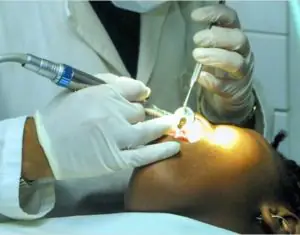
Researchers at the Ohio State University College of Dentistry say they have tracked the origins of microbiota in aerosols generated during treatments including ultrasonic scaling,
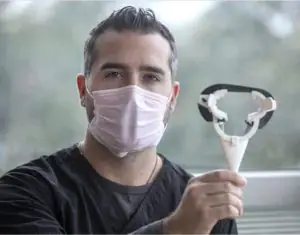
Dentists, once labeled the workers who face the greatest coronavirus risk, have new information about how to protect themselves and their patients thanks to research

Austin Air has donated 25 of its air purifier units to the Schulich School of Medicine & Dentistry. The dental school was researching air purifier
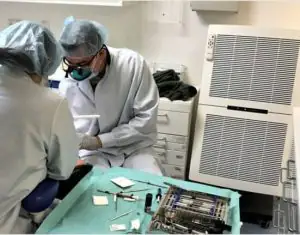
The Vilseck Army Dental Clinic in Vilseck, Germany, has assembled and installed 25 portable high-efficiency particulate air (HEPA) filters for each of its dental treatment
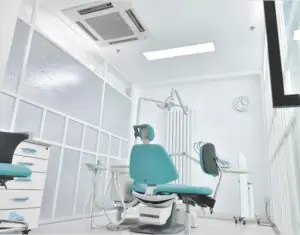
The National Health Service (NHS) has updated the standard operating procedure, “Transition to Recovery,” for dentists. Among the updates, staff who present symptoms of COVID-19
While it may be harder to see each other’s smiles all the time these days, dental care is still viewed as necessary during the COVID-19
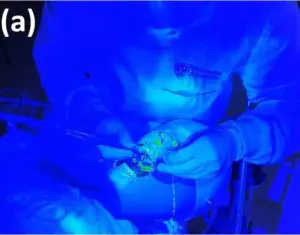
Suction substantially decreases contamination in open clinic settings, according to Newcastle University, which has been studying how to mitigate the risks of dental aerosols. According

Researchers at Cornell University have designed an open-faced helmet that patients can wear to minimize the risks of SARS-CoV-2 transmission during dental procedures. The helmet
