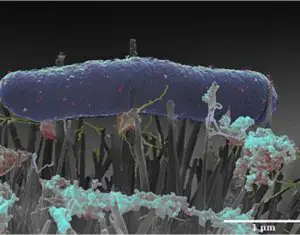
Insect Wings Provide Insight into Antimicrobial Implant Design
Some insect wings such as cicada and dragonfly possess nanopillar structures that kill bacteria upon contact. Using advanced imaging tools, functional assays, and proteomic analyses,


Some insect wings such as cicada and dragonfly possess nanopillar structures that kill bacteria upon contact. Using advanced imaging tools, functional assays, and proteomic analyses,

Researchers at the Clemson University College of Science have strongly associated nine species of fungus of the 139 they identified that live in human dental plaque

SPONSORED EDITORIAL One of the biggest impediments to testing new materials is that restorative dentistry is a mix of art and science. It isn’t just

Germ warfare typically refers to using germs to kill an adversary. But the Centers for Disease Control and prevention (CDC) warn of a bigger threat—antibiotic

Restorations can be costly, and they don’t last forever, according to the University of Oklahoma College of Dentistry. But researchers there are developing new materials

SPONSORED EDITORIAL Innovation is an overused word. Companies, journals, and key opinion leaders tout so much “innovation” year after year that it registers more as

SPONSORED EDITORIAL The DNA of a company—its mission, its founders—can have just as much value as the chemical composition of its products. Nobio, the company
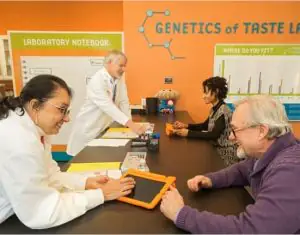
Researchers at Colorado State University (CSU) and the Denver Museum of Nature & Science used a crowd-sourced, citizen science-driven study to find a correlation between people
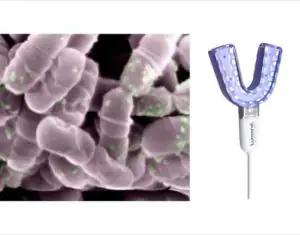
If you want to kill the bacteria that causes caries and gingivitis, try dual-light photodynamic therapy. Founded by researchers from Aalto University and Helsinki University Hospital, Koite

A history of chronic dental health issues increases the odds of dementia, according to a collaborative study between researchers at National Taiwan University Hospital and the

E-cigarettes alter the mouth’s microbiome and makes users more prone to inflammation and infection, according to researchers at the New York University (NYU) College of

As the threat of antimicrobial resistance to medication increases, researchers have been investigating the growing role of resistance genes in the human gut microbiome. Now,
