Potential impact of bacteria on tooth decay
by University of Minnesota Dental decay is a significant public health concern for children and adults. In fact, it is the most common childhood disease. In
Credit: Monstera Production from Pexels Very little has been normal for children these past two years, and some youngsters are feeling the pandemic’s effects in
by University of Sydney The white patches are signs of early decay that can be stopped and reversed before they become cavities (brown patch on tooth
Credit: Pixabay/CC0 Public Domain Broad-spectrum antibiotics are overused in dentistry because many patients mistakenly believe they have a penicillin allergy. But such allergies are rare
Credit: CC0 Public Domain As direct-to-consumer marketing becomes pervasive, there’s a growing trend of Do-It-Yourself or DIY dentistry—prompting patients to skip the trip to the
Credit: University of California, San Francisco Several years ago, Peter Rechmann, DMD, PhD, professor of Preventive & Restorative Dental Science at UC San Francisco’s School
by The University of Hong Kong Tooth stem cells modified to mimic a cellular state similar to that under low oxygen (PHD2KD) gave rise to tooth
by Oregon Health & Science University A so-called “tooth-on-a-chip” could one day enable more personalized dentistry, giving dentists the ability to identify dental filling materials that
by The University of Hong Kong Three cases illustrating dentist’s visual examination (b) and AI’s detection (c) of gum problems (a) Intraoral photograph (b) Health status
By Serena Gordon, HealthDay Reporter Options for kids now include sealants and early removal of wisdom teeth. (HealthDay) — If you’ve been to the dentist
Engineers at the University of Cincinnati have developed a new device that can warn consumers about early risks of tooth decay from diseases such as
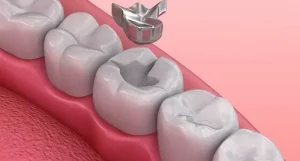
Silver tooth fillings have been placed in the mouths of Americans since before the Civil War, an inexpensive, durable and reliable material that helped form