
Researchers Chart 100,000-Year-Old History of Oral Bacteria
By comparing the fossilized dental plaque of human beings and Neanderthals spanning the past 100,000 years to that of wild chimpanzees, gorillas, and howler monkeys,


By comparing the fossilized dental plaque of human beings and Neanderthals spanning the past 100,000 years to that of wild chimpanzees, gorillas, and howler monkeys,

There’s a surprising amount of information stored in the hardened plaque, or calculus, between teeth, according to an international team of researchers. And if that

New York University (NYU) College of Dentistry clinician-scientists Seiichi Yamano and Brian Schmidt will develop a new class of medicines using gene therapy to effectively

The shape of human teeth can be used to reconstruct genetic relationships, according to researchers at the University of Tübingen’s Humanities Center for Advanced Studies.

Proteins embedded in 800,000-year-old dental enamel have revealed the position of Homo antecessor in the human family tree, according to the University of Copenhagen in
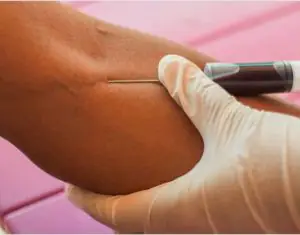
In a study involving thousands of participants, a new blood test detected more than 50 types of cancer including head and neck cancer as well

The Centers for Disease Control and Prevention have totaled 805 possible cases of lung illnesses related to vaping, with 12 resulting in death, prompting the agency to

There may be more genes in the collective human microbiome than stars in the observable universe, and at least half of these genes appear to

Two primary teeth buried deep in a remote archaeological site in northeastern Siberia have revealed a previously unknown group of people who lived there during

Gingivitis plays a decisive role in the development of Alzheimer’s disease, according to researchers at the University of Bergen (UB) in Norway. “We discovered DNA-based
Researchers at Tampere University in Finland have established that the cerebral emboli of stroke patients contain DNA from oral pathogens Thrombus aspirates, which neurointerventional radiologists removed
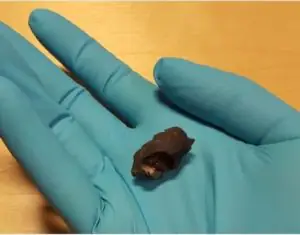
The first human beings who settled in Scandinavia more than 10,000 years ago left their DNA behind in wads of chewing gum made of masticated
