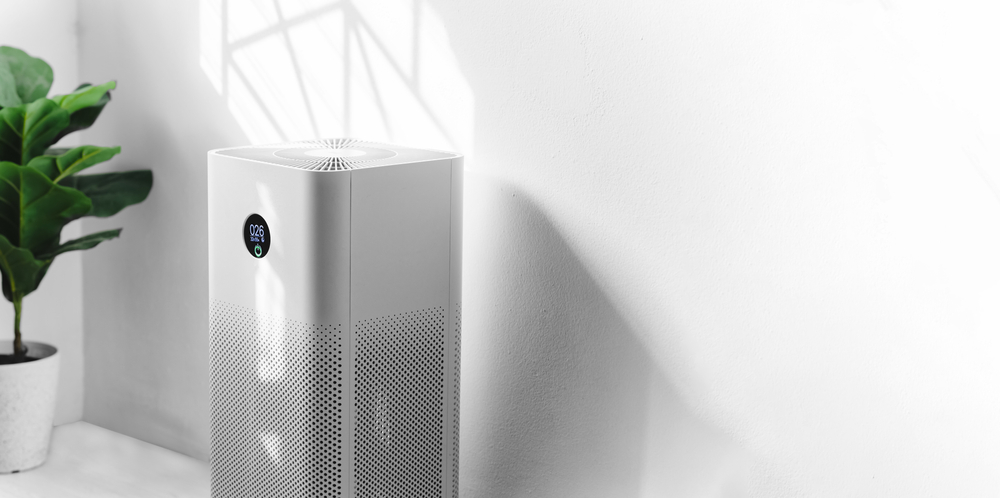
 Needing to invest in an updated air cleaner for your operatory? Consider these factors before making your purchase.
• Filters: The air cleaner should have a true HEPA filter rated to capture at least 99.97% of particles as small as 0.3 microns. Pre-filters capture larger particles before the air passes through the HEPA filter, extending the life of the primary filter and improving air quality faster.
• Type of contaminants: An air cleaner that can handle bioaerosols (bacteria, viruses, and fungi) is essential. Additionally, dental materials can release VOCs, and some air purifiers come with activated carbon filters designed to capture VOCs and odors. Lastly, regular dust, pollen, and smoke particles can also accumulate in the air, so look for a system that handles all forms of particulate matter.
• Air Changes Per Hour (ACH): Choose a high ACH (typically 4–6 ACH) to ensure proper air turnover and effective filtration. Make sure the air cleaner is appropriately sized for the room where it will be used.
• Noise Level/Energy Efficiency: Look for units that won’t disrupt patients or staff and are energy efficient. Some air cleaners can be integrated with the office’s existing HVAC system.


