


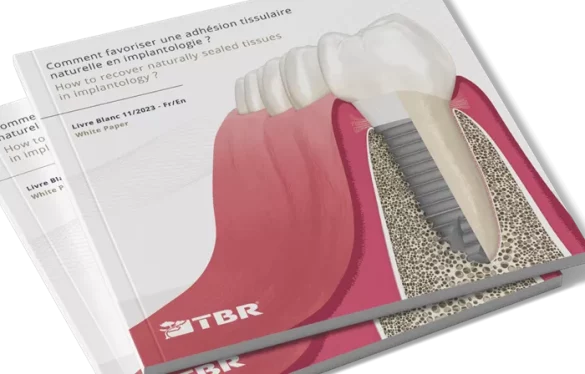
TBR Dental Implants, founded in 1987 and headquartered in Toulouse, France, represent a pioneering brand in implantology. Known for combining advanced technology with patient-centered design, TBR implants are crafted from high-quality pure titanium and Y-TZP zirconia to optimize comfort, aesthetics, and clinical performance. Their flagship product, the Z1 implant, uniquely integrates a zirconia collar with titanium, offering superior soft tissue compatibility and antibacterial protection, which helps reduce gum disease risk and inflammation around the implant site.
Why Choose TBR Dental Implants?
TBR implants stand out for several reasons:
Biocompatibility: The combination of titanium and zirconia materials promotes excellent tissue integration and reduces sensitivity issues often associated with implants.
Aesthetic Excellence: The zirconia collar mimics natural tooth emergence, providing a seamless transition between implant and gum, which is crucial for patients concerned about visible implants.
Clinical Versatility: Suitable for various anatomical situations, including molar and aesthetic zones, TBR implants adapt well to different gum heights and bone conditions.
Simplified Procedure: Designed for one-stage surgery without the need for healing screws, TBR implants save chair time and reduce patient discomfort.
Cost-Effectiveness: Despite advanced technology, TBR implants are more economical than many conventional bone level implants due to reduced material use and streamlined protocols.
Global Support: With presence in over 50 countries and a strong research commitment, TBR offers reliable professional support and continuous innovation.
Types of TBR Dental Implants and Their Applications
TBR offers a comprehensive range of implants tailored to meet diverse clinical needs.
| Implant Type | Description | Applications |
| Z1 Tissue Level Implants | Feature a zirconia collar combined with titanium body. One-stage placement with excellent aesthetics and soft tissue protection. | Ideal for patients requiring immediate aesthetic results and reduced gum inflammation risk. Suitable for both upper and lower jaws. |
| Bone Level Implants | Placed at bone level with platform switching technology for enhanced tissue stability. Available with Morse taper or internal octagonal connections. | Used in cases needing strong bone integration and versatile prosthetic restorations. |
| Short Implants (Baby) | Implants as short as 6 mm designed to avoid sinus lift or bone graft surgeries. | Suitable for patients with limited bone height or sensitive anatomical areas. |
Each implant type is supported by a full range of prosthetic components, facilitating tailored restorations from single crowns to complex bridges.
How Much Do TBR Dental Implants Cost?
The cost of TBR dental implants varies depending on the implant type, clinical complexity, and geographic location. Generally, TBR implants are positioned as a cost-effective alternative to premium brands, offering high-quality materials and simplified surgical protocols that reduce overall treatment time and expenses. While exact prices depend on the dental provider, TBR implants tend to be more affordable in the short and long term due to less chair time, fewer components, and lower complication rates.
Material of TBR Dental Implants
TBR implants are primarily made from:
Pure Titanium: Known for its strength, durability, and excellent osseointegration properties, titanium forms the implant’s body.
Y-TZP Zirconia Collar: This high-strength ceramic material provides an aesthetic, biocompatible collar that interfaces with the gum. Zirconia is highly resistant to bacterial colonization, which helps protect against gum disease and peri-implant inflammation.
This combination ensures both mechanical stability and soft tissue health, addressing issues such as sensitive teeth and gum recession around implants.
Who Is A Candidate for TBR Dental Implants?
Ideal candidates for TBR dental implants include:
Patients missing one or more teeth due to trauma, decay, or congenital absence.
Individuals suffering from gum disease who have achieved periodontal stability and require implant-supported restorations.
Patients with sensitive teeth or thin gingival biotypes needing implants that minimize soft tissue irritation.
Those seeking an aesthetic solution with minimal surgical intervention and faster healing.
Patients with limited bone height who can benefit from short implant options to avoid invasive procedures like sinus lifts.
A thorough clinical evaluation by a dental specialist is essential to determine candidacy, considering factors like bone quality, gum health, and overall oral hygiene.
Clinical Benefits of TBR Dental Implants
TBR implants offer several clinical advantages:
Soft Tissue Stability: The zirconia collar promotes healthy gum attachment, reducing the risk of peri-implantitis and gum disease.
Antibacterial Shield: Zirconia’s natural resistance to bacterial adhesion protects the crestal bone and gingiva.
Improved Aesthetics: The natural-looking collar blends with gum tissue, especially important in the anterior aesthetic zone.
Reduced Sensitivity: The biocompatible materials minimize soft tissue irritation and sensitivity around the implant.
Simplified Surgery: One-stage implant placement reduces surgical trauma and healing time.
High Success Rate: Clinical studies report success rates around 98.6%, reflecting reliability and patient satisfaction.
FAQs about TBR Dental Implants
What makes TBR implants different from other brands?
Their unique combination of titanium and zirconia, especially the zirconia collar, offers superior aesthetics and soft tissue protection, which is uncommon in many traditional implants.
Can TBR implants be used in patients with gum disease?
Yes, provided the gum disease is well managed and periodontal health is stable before implant placement.
Are TBR implants suitable for patients with sensitive teeth?
Yes, the biocompatible materials reduce irritation and sensitivity in surrounding tissues.
How long does the treatment take with TBR implants?
The process can vary but typically ranges from a few months to complete osseointegration and prosthetic restoration, often shortened by the one-stage surgical protocol.
Conclusion
TBR Dental Implants represent a sophisticated and patient-friendly solution in modern implantology. Their innovative use of titanium and zirconia materials addresses both functional and aesthetic demands, making them an excellent choice for patients with concerns about gum disease, sensitive teeth, and long-term implant success. With versatile implant types, cost-effective protocols, and a strong commitment to research and quality, TBR continues to support dental professionals worldwide in delivering superior care and restoring confident smiles.