

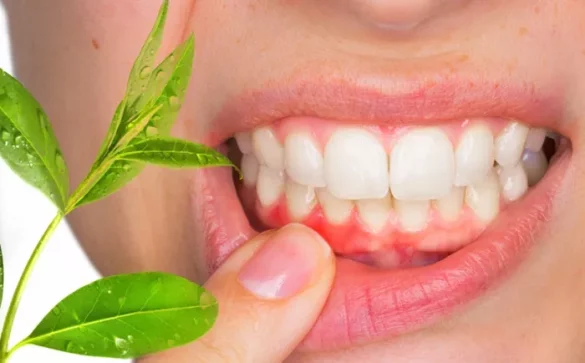
Oral health is a cornerstone of overall well-being, yet gum infections and pain remain among the most common and uncomfortable dental issues people face. In 2025, with increasing awareness of natural wellness and preventative care, many individuals are turning to home remedies as a first line of defense against gum disease, sensitive teeth, and oral discomfort. While professional dental intervention is essential in severe cases, effective at-home solutions can offer fast relief and support healing when used correctly.
This article presents six of the most effective and science-backed home remedies for gum infection and pain. Each method is easy to follow, safe for most individuals, and uses ingredients that are either already in your home or easily accessible. Whether you’re experiencing mild inflammation or seeking preventative measures, these remedies are designed to promote healthier gums and greater oral comfort without harsh chemicals or invasive procedures.
Understanding Gum Infection and Pain
What Causes Gum Infection?
Gum infection, also known as periodontal disease or gum disease, is typically caused by the buildup of plaque—a sticky film of bacteria—on the teeth and gums. If left untreated, it can lead to swelling, bleeding, pain, and even tooth loss. Gum infections often develop due to poor oral hygiene, smoking, nutritional deficiencies, and underlying health conditions such as diabetes.
Symptoms of Gum Infection
Common symptoms include:
- Red, swollen gums
- Bleeding when brushing or flossing
- Receding gum line
- Persistent bad breath
- Loose teeth or sensitive teeth
Why Use Home Remedies in 2025?
While professional dental care is essential, home remedies offer complementary relief, especially for mild symptoms. In 2025, many individuals seek natural and cost-effective options that are readily available. These remedies support gum healing, reduce pain, and improve overall oral hygiene when used consistently.
1. Salt Water Rinse
How It Works
Salt water is a natural disinfectant. It helps cleanse infected areas, reduce inflammation, and promote healing of sensitive gum tissue.
Instructions
- Mix 1/2 teaspoon of salt in a glass of warm water.
- Swish the solution around your mouth for 30 seconds.
- Repeat 2 to 3 times daily, especially after meals.
Why It’s Effective
Salt water minimizes bacteria and soothes irritated gum tissues without causing additional sensitivity, making it ideal for early stages of gum disease.
2. Hydrogen Peroxide Rinse
How It Works
Hydrogen peroxide has strong antibacterial properties. It helps eliminate plaque, reduce bleeding, and control infection.
Instructions
- Mix equal parts of 3% hydrogen peroxide and water.
- Swish the solution in your mouth for 30 seconds.
- Do not swallow. Spit and rinse with plain water.
- Use once daily for no more than 3 consecutive days a week.
Caution
Overuse may irritate sensitive teeth and gums. Use only diluted solutions and consult a dentist if symptoms persist.
3. Clove Oil
How It Works
Clove oil contains eugenol, a natural antiseptic and analgesic. It numbs pain and fights bacteria that cause gum disease.
Instructions
- Dab a cotton swab with a few drops of clove oil.
- Apply directly to the affected gum area.
- Leave on for 5 to 10 minutes before rinsing with warm water.
- Use twice daily as needed.
Why It’s Effective
Clove oil provides fast pain relief and helps combat infection naturally, making it a staple in home dental care kits.
4. Turmeric Paste
How It Works
Turmeric has curcumin, a compound with anti-inflammatory and antimicrobial effects. It reduces swelling and combats oral bacteria.
Instructions
- Mix 1 teaspoon of turmeric powder with a few drops of water or coconut oil to make a paste.
- Apply to the gums and let it sit for 10 minutes.
- Rinse with warm water and brush as usual.
- Repeat daily for one week.
Why It’s Effective
Turmeric helps alleviate inflammation and promotes gum healing without irritating sensitive teeth.
5. Aloe Vera Gel
How It Works
Aloe vera is well-known for its soothing and healing properties. In oral care, it helps reduce gum inflammation and kill harmful bacteria.
Instructions
- Use pure aloe vera gel (ensure it’s free from artificial colors or additives).
- Massage a small amount into the gums after brushing.
- Do not rinse immediately. Let it absorb into the tissue.
- Repeat twice daily for best results.
Why It’s Effective
Aloe vera is gentle on sensitive teeth and provides long-lasting relief from pain and irritation caused by gum disease.
6. Oil Pulling with Coconut Oil
How It Works
Oil pulling is an ancient Ayurvedic practice. Coconut oil has antimicrobial properties that help cleanse the mouth and reduce harmful bacteria.
Instructions
- Take 1 tablespoon of organic coconut oil.
- Swish in your mouth for 10 to 15 minutes without swallowing.
- Spit into a trash can (not the sink to avoid clogs).
- Rinse with warm water and brush your teeth afterward.
- Use daily in the morning before eating.
Why It’s Effective
Oil pulling improves oral hygiene, reduces plaque, and alleviates gum inflammation while promoting fresher breath.
Preventing Gum Infections
Maintain Good Oral Hygiene
- Brush teeth twice a day using a soft-bristled toothbrush.
- Use fluoride toothpaste and replace your brush every 3 months.
- Floss daily to remove food particles and plaque.
Adopt a Healthy Diet
Eat foods rich in vitamins A, C, and D to support gum health. Avoid sugary and acidic foods that feed harmful oral bacteria.
Stay Hydrated
Drinking plenty of water helps flush away bacteria and promotes saliva production, which protects against tooth decay and gum disease.
When to See a Dentist
Home remedies offer temporary relief, but you should seek dental care if symptoms worsen or persist for more than a week. Professional treatment may be needed for advanced gum disease, including scaling and root planing or antibiotics. Do not delay care if you experience severe pain, pus, or loose teeth.
Conclusion
In 2025, the best home remedies for gum infection and pain continue to be those that are safe, accessible, and effective. From salt water rinses to oil pulling, these natural treatments can complement your dental routine. However, they should never replace professional care when needed. Combine these remedies with proper oral hygiene and routine dental check-ups for the best protection against gum disease and sensitive teeth.
