

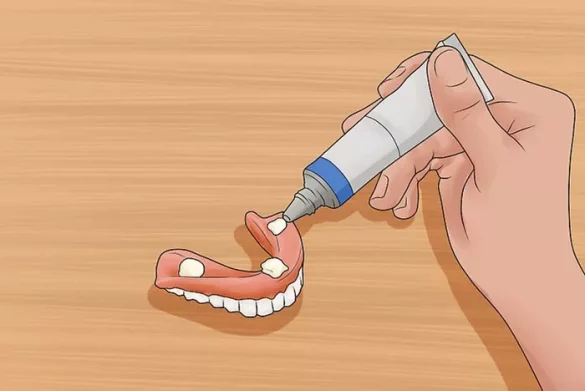
Dental implants are a widely recognized solution for replacing missing teeth. They provide stability, improve chewing efficiency, and prevent bone loss in the jaw. While dental implants are designed to be permanent, some patients may still use denture adhesives for added comfort and security. These adhesives can reduce discomfort from sensitive teeth and prevent gum disease by maintaining a secure fit.
Understanding Dental Implants
Dental implants consist of three main components: the implant post, the abutment, and the dental crown. The implant post, usually made of titanium, is surgically inserted into the jawbone. The abutment connects the post to the crown, which is the visible part of the tooth replacement. Implants function similarly to natural teeth, but some patients experience minor movement or discomfort, which can be alleviated with proper use of denture adhesives.
The 6 Best Ways to Use Denture Adhesive in 2025
1. Improving Comfort with Denture Adhesive
One of the primary ways to use dental implants effectively is to enhance comfort. Even with well-fitted implants, patients may experience mild irritation, especially in the early healing stages. Applying denture adhesive correctly can provide cushioning between the gums and the dental prosthesis. This reduces pressure on sensitive teeth and inflamed areas, helping prevent gum disease caused by friction or bacterial accumulation.
Tips for Maximizing Comfort
- Use a thin layer of adhesive to avoid excessive buildup.
- Apply the adhesive only to the base of the prosthesis, not the gums directly.
- Remove and clean the implant daily to prevent plaque buildup.
2. Securing Loose Dental Implants
Though dental implants are designed for permanent stability, temporary loosening may occur due to bone loss, gum disease, or improper fitting. Denture adhesive can provide temporary security, reducing movement and preventing irritation to sensitive areas. It is crucial to consult a dental professional if loosening persists, as adhesive use is a temporary solution rather than a substitute for professional adjustment or treatment.
How to Apply Adhesive for Security
- Clean the implant and surrounding gum thoroughly.
- Apply adhesive in small, even amounts to the prosthetic base.
- Press firmly onto the gums and hold for 10–15 seconds.
- Avoid overuse, as excessive adhesive can harbor bacteria.
3. Preventing Gum Disease
Gum disease, or periodontitis, is a major concern for dental implant patients. Proper adhesive use can contribute to gum health by keeping implants snugly in place, reducing micro-movement that can trap food particles and bacteria. Combining adhesive use with regular oral hygiene—such as brushing, flossing, and professional cleanings—helps lower the risk of gingivitis and other infections.
Maintaining Healthy Gums
- Brush twice daily with a soft-bristled toothbrush.
- Use non-alcoholic antimicrobial mouthwash to prevent irritation.
- Schedule regular check-ups for early detection of gum issues.
4. Reducing Pressure on Sensitive Teeth
Sensitivity is common among dental implant patients, particularly when adjacent natural teeth are affected by recession or decay. Denture adhesive can create a buffer that distributes chewing forces evenly, minimizing discomfort. Additionally, patients with sensitive teeth benefit from adhesives that contain mild, non-irritating ingredients, which help maintain oral comfort throughout the day.
Choosing the Right Adhesive
- Look for adhesives labeled for sensitive mouths or gums.
- Avoid adhesives with strong flavors or alcohol content.
- Consult a dentist to ensure compatibility with implant materials.
5. Enhancing Eating and Speaking
Dental implants improve function, but some patients still experience slight instability with new prosthetics. Adhesives can improve biting efficiency and clarity of speech by stabilizing implants. This is particularly beneficial when consuming hard or sticky foods that may otherwise dislodge a prosthetic or cause discomfort.
Practical Tips for Mealtime and Speech
- Apply a minimal adhesive layer before meals for better grip.
- Practice speaking and chewing to identify areas needing extra support.
- Remove and clean adhesive residue after eating to maintain hygiene.
6. Supporting Implant Longevity
Consistent, proper use of denture adhesive can indirectly support the longevity of dental implants. By reducing movement, friction, and stress on surrounding gum tissue, adhesives help prevent complications such as gum disease or bone resorption. Long-term implant success depends on both professional care and patient diligence in maintaining oral hygiene and protective measures.
Daily Care for Implant Longevity
- Remove adhesive and clean implants every night.
- Inspect gums for early signs of inflammation or infection.
- Use fluoride toothpaste to strengthen natural teeth and prevent decay.
- Attend routine dental check-ups for professional assessment.
Common Mistakes to Avoid
Even experienced users can make mistakes that reduce the effectiveness of denture adhesives. Common errors include:
Overapplying adhesive, which can irritate gums and trap bacteria.
Failing to clean prosthetics and gums, increasing risk of gum disease.
Ignoring persistent discomfort or sensitivity, which may indicate underlying problems.
Using adhesive as a permanent solution for loose implants instead of consulting a professional.
Choosing the Best Dental Adhesive in 2025
With advancements in dental products, adhesives available in 2025 are more effective and gentler than ever. Modern adhesives are designed to provide secure hold, cushion sensitive areas, and resist food and moisture interference. Many are free from zinc, which can be harmful in large amounts, and include ingredients that promote oral health.
Top Features to Look For
- Strong but removable hold for day-long use.
- Formulations suitable for sensitive teeth and gums.
- Water-resistant and food-compatible for convenience.
- Non-toxic and zinc-free options for safety.
Conclusion
Dental implants are a transformative solution for missing teeth, but patient comfort, gum health, and implant longevity can be enhanced with careful use of denture adhesives. The six best ways to use adhesives include improving comfort, securing loose implants, preventing gum disease, reducing pressure on sensitive teeth, enhancing eating and speaking, and supporting implant longevity. Following proper hygiene practices, choosing the right adhesive, and consulting dental professionals ensure optimal outcomes and long-term oral health.
