

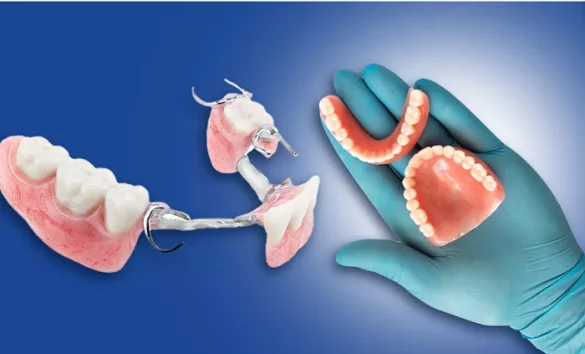
For patients who have lost some or all of their natural teeth, dentures remain a key solution in restorative dentistry. In 2025, technological advances and innovative materials have dramatically improved denture comfort. Unlike older models, modern dentures consider gum disease prevention, sensitive teeth, and oral stability. Choosing the right type of denture can enhance chewing, speaking, and overall oral health.
The 6 Most Comfortable Type of Dentures in 2025
1. Implant-Supported Dentures
Implant-supported dentures are considered the most comfortable and stable type available today. Unlike traditional dentures that rest on the gums, these dentures attach directly to dental implants embedded in the jawbone. This secure fit prevents slippage and irritation, reducing pressure on sensitive gums and supporting healthy bone structure.
Benefits of Implant-Supported Dentures
Patients experience improved chewing efficiency and better speech clarity. Because the dentures do not rest on the gums, they minimize friction that can trigger gum disease or soreness in sensitive areas. Implant-supported dentures also help preserve jawbone density over time.
Considerations
Implant placement requires surgery and a healing period, so patients need a healthy jawbone and good overall health. Despite higher costs, the comfort and longevity make them a preferred choice for many individuals in 2025.
2. Flexible Partial Dentures
Flexible partial dentures are made from lightweight, flexible materials like nylon. They adapt to the contours of the mouth, making them more comfortable than traditional rigid dentures. These are ideal for patients who still have some natural teeth and want a comfortable, aesthetic solution.
Benefits of Flexible Partial Dentures
Flexibility reduces the risk of gum irritation, especially for those prone to gum disease. Their lightweight nature and smooth edges prevent pressure points, making them suitable for individuals with sensitive teeth. Additionally, they offer easy insertion and removal, which improves daily oral hygiene.
Considerations
Although very comfortable, flexible partial dentures may require professional adjustments over time to maintain their fit and prevent uneven pressure on remaining natural teeth.
3. Metal-Based Partial Dentures
Metal-based partial dentures use a combination of metal frameworks and acrylic teeth to provide strength and comfort. The metal structure distributes chewing forces evenly, reducing gum irritation and protecting sensitive areas.
Benefits of Metal-Based Partial Dentures
These dentures offer durability and stability while remaining thinner than conventional acrylic dentures. They are less likely to cause sores, making them a good option for patients with a history of gum disease or thin, sensitive gums.
Considerations
Some patients may be concerned about aesthetics due to visible metal clasps. However, modern designs can minimize visibility while maintaining comfort and function.
4. Traditional Full Dentures
Traditional full dentures replace all teeth in the upper or lower jaw. Today’s versions use improved acrylic and composite materials that reduce irritation and improve fit. Custom molds allow these dentures to rest gently on the gums, enhancing comfort.
Benefits of Traditional Full Dentures
They are cost-effective and easy to repair. Advanced materials are gentler on sensitive gums and help prevent further gum disease by evenly distributing chewing forces. Denture adhesives can also improve stability and comfort for long-term wear.
Considerations
Proper adjustment is critical. Ill-fitting dentures can lead to soreness, increased sensitivity, and oral infections. Regular dental checkups are essential to maintain optimal comfort.
5. Immediate Dentures
Immediate dentures are placed immediately after teeth extraction. This type allows patients to avoid gaps while gums heal, providing comfort and functionality during the post-extraction period.
Benefits of Immediate Dentures
Immediate dentures protect healing gums, reduce trauma, and maintain oral aesthetics. They help prevent complications related to gum disease and minimize discomfort for those with sensitive teeth. Additionally, they provide psychological comfort by maintaining appearance right after tooth loss.
Considerations
Because gums shrink after extraction, immediate dentures require adjustments or relining to ensure proper fit and continued comfort. Close monitoring by a dentist is necessary during the healing process.
6. 3D-Printed Custom Dentures
3D-printed dentures represent the latest advancement in denture technology. Using digital scans, these dentures are precisely tailored to the patient’s mouth, ensuring maximum comfort and functionality.
Benefits of 3D-Printed Custom Dentures
The accuracy of digital scanning allows these dentures to fit snugly without excessive pressure on gums or sensitive teeth. The materials are lightweight and smooth, reducing the risk of irritation or gum disease. They also offer fast production times and can be easily modified for adjustments.
Considerations
While 3D-printed dentures are increasingly popular, they require access to specialized dental technology and professional expertise. Their high precision justifies the investment for those prioritizing comfort and oral health.
Tips for Maintaining Denture Comfort
Even the most comfortable dentures require proper care to maintain their benefits. Key practices include:
- Cleaning dentures daily to prevent bacteria buildup.
- Soaking dentures overnight to keep them hydrated and maintain shape.
- Regular dental visits to check for fit and signs of gum disease.
- Monitoring sensitive areas to avoid soreness or pressure points.
- Using denture adhesives when needed for stability.
Conclusion
Choosing the right denture type in 2025 is essential for oral comfort, functionality, and health. Options like implant-supported dentures, flexible partial dentures, and 3D-printed custom dentures provide superior comfort for patients with sensitive gums or a history of gum disease. Regardless of the type, consistent care and professional supervision are key to maximizing the benefits of dentures and maintaining overall oral health.
