


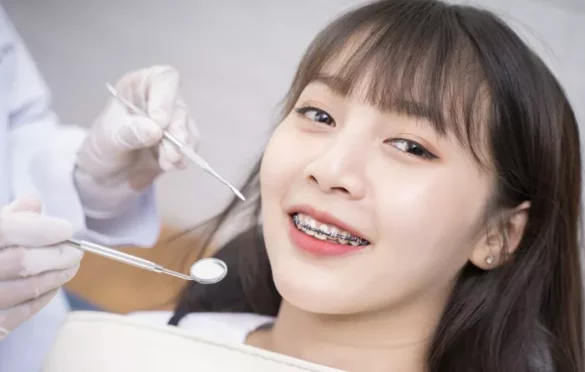
Straightening teeth improves not only your smile but also your oral health. Properly aligned teeth are easier to clean, reducing risks of gum disease and tooth decay. Yet, many people avoid orthodontic treatment due to the high cost.
In 2025, there are several affordable options to help you get your teeth straight without breaking the bank. This article explores the 7 cheapest ways to get your teeth straightened, explaining how each works, their costs, and important dental care tips to keep your mouth healthy during treatment. We will also discuss how to handle common problems like sensitive teeth.
The 7 Cheapest Way to Get Your Teeth Straightened in 2025
1. Traditional Metal Braces
Metal braces remain the most common and affordable orthodontic treatment worldwide. They use metal brackets and wires to gradually move teeth into the correct position.
Cost: Metal braces generally cost between $3,000 and $7,000, making them the cheapest professional option for most people.
Advantages: Effective for all types of cases, including severe misalignment. Durable and often require fewer office visits, reducing cost.
Considerations: Metal braces are visible and may cause discomfort or irritation to gums and cheeks. Oral hygiene is crucial; poor cleaning can lead to gum disease or white spots on teeth.
2. Clear Aligners (Budget Brands)
Clear aligners are removable trays that slowly shift teeth. While premium brands like Invisalign can be expensive, some budget-friendly alternatives are available online or through clinics.
Cost: Budget clear aligner treatment usually ranges from $1,500 to $3,500.
Advantages: Nearly invisible and removable, making eating and cleaning easier. Lower cost than premium aligners.
Considerations: Not suitable for complex cases. At-home options require discipline in wearing trays. Inadequate cleaning of trays or teeth can increase risks of gum disease and sensitive teeth.
3. Dental Schools and Orthodontic Training Clinics
Dental schools often provide orthodontic treatment at a reduced cost as students gain supervised experience.
Cost: Treatments can cost up to 50-70% less than private practices, sometimes as low as $1,000 to $3,000.
Advantages: Professional care at affordable prices. Latest techniques are often used.
Considerations: Treatment can take longer due to students’ schedules. Multiple visits may be required. Quality is supervised but varies with the student’s experience.
4. Payment Plans and Financing Options
Many orthodontists offer payment plans to spread out the cost, making treatment more affordable in monthly installments.
Cost: Total cost is similar to traditional braces but becomes manageable over time.
Advantages: No need to pay large upfront fees. Can allow you to choose better treatment options without financial strain.
Considerations: Some plans may include interest or fees. Careful review of terms is necessary to avoid unexpected costs.
5. At-Home Teeth Straightening Kits
At-home kits involve ordering aligners online after sending impressions of your teeth. This is often the cheapest option but has risks.
Cost: Usually between $800 and $2,000.
Advantages: Convenience and low price.
Considerations: No direct orthodontist supervision may lead to complications, such as improper tooth movement or worsening bite problems. This can cause sensitive teeth or increase risk of gum disease if not monitored properly.
6. Removable Retainers and Minor Orthodontic Devices
For minor tooth corrections, removable retainers or simple devices may help straighten teeth slightly.
Cost: Typically under $1,000.
Advantages: Low cost and less invasive. Can prevent teeth from shifting back after treatment.
Considerations: Not effective for significant alignment issues. Must be worn consistently to work.
7. Community Dental Programs and Orthodontic Charities
Some non-profit organizations and community clinics offer free or reduced-cost orthodontic care to eligible patients.
Cost: Often free or very low cost depending on income and need.
Advantages: Access to professional care that might otherwise be unaffordable.
Considerations: Limited availability and long waiting lists. May not cover all treatment types.
Important Tips to Maintain Oral Health During Teeth Straightening
No matter which option you choose, taking care of your teeth and gums during treatment is vital. Braces and aligners can trap food, increasing the risk of gum disease, cavities, and sensitive teeth.
Maintain Good Oral Hygiene
Brush teeth after every meal using a soft-bristled toothbrush and fluoride toothpaste. Use floss or interdental brushes daily to clean between teeth and around braces.
Regular Dental Checkups
Visit your dentist regularly for professional cleanings and to monitor gum health. Early detection of problems helps prevent serious issues.
Manage Sensitive Teeth
Teeth may feel sensitive during and after adjustments. Use toothpaste for sensitive teeth and avoid extremely hot or cold foods and drinks.
Watch for Signs of Gum Disease
Look for redness, swelling, or bleeding gums. If you notice these signs, consult your dentist promptly.
Conclusion
Straightening your teeth in 2025 doesn’t have to be expensive. From traditional metal braces to community programs, multiple affordable options exist for every budget and dental need.
Consider your oral health goals, budget, and lifestyle when choosing a treatment. Always prioritize proper dental care to avoid gum disease and sensitive teeth during your orthodontic journey. With the right choice and care, you can achieve a healthy, beautiful smile without overspending.