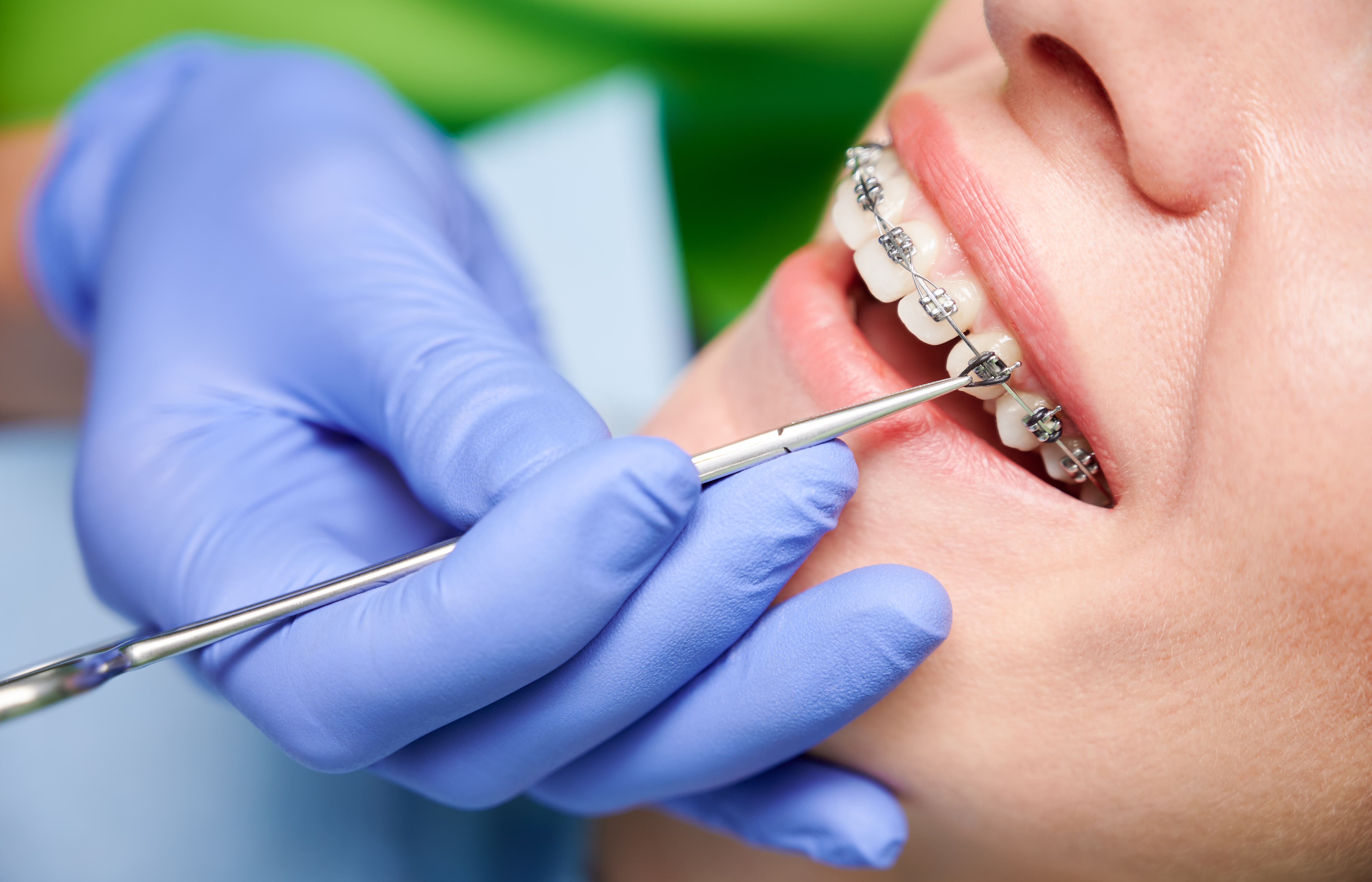
 Over the past ten years, orthodontics has seen major advancements—not only in treatment modalities, but also in the tools clinicians rely on every day. The orthodontic instruments in your operatory today are smarter, more ergonomic, and often more versatile than those of a decade ago. So what exactly has changed in the world of orthodontic instruments? Let’s break down the key developments shaping how orthodontists and general dentists deliver care today., ,1. Precision Engineering Takes the Spotlight
Ten years ago, many orthodontic instruments still followed the “if it’s not broken, don’t fix it” design philosophy. But increasing demand for faster, more predictable outcomes has driven manufacturers to engineer tools with micro-level precision. Improved cutting tips and sharper edges have made debonding, trimming, and interproximal reduction (IPR) quicker and cleaner. Laser-calibrated marking systems on bracket placement gauges now enhance visual accuracy during bonding procedures. Better tools mean fewer adjustments, shorter appointments, and more consistent results., ,2. Ergonomics and User Comfort Are No Longer Optional
Musculoskeletal disorders are a growing concern in dentistry—and orthodontics is no exception. Over the last decade, instrument design has shifted toward ergonomic handles, lighter-weight materials, and better balance. Spring-loaded joints reduce the pressure needed to manipulate pliers and cutters. Silicone or polymer grip coatings improve tactile feedback and reduce hand fatigue. Streamlined designs help orthodontists and assistants move more efficiently during high-volume procedures. When the tools feel better to use, your team can work longer—and smarter—without sacrificing precision., ,3. Sterilization-Ready Design Is Standard
The emphasis on infection control—especially post-COVID—has impacted how orthodontic instruments are designed and manufactured. Non-porous finishes resist corrosion and buildup from repeated sterilization cycles. Autoclavable silicone grips and high-grade stainless steel materials ensure durability and compliance with infection control protocols. Many tools now include QR codes or serial numbers to help with inventory tracking and maintenance schedules., ,4. Digital Integration Is on the Horizon
While traditional hand instruments remain the backbone of orthodontic procedures, the digital wave is starting to make its mark. Some bracket positioning tools are now aligned with digital treatment plans, allowing for improved bracket placement based on virtual models.
CAD/CAM-designed tools and 3D-printed jigs are being introduced for more personalized appliance adjustments. Expect to see increased synergy between instruments and digital scanning software, especially in practices integrating hybrid treatment models (e.g., braces + aligners)., ,5. Global Manufacturing and Material Sourcing Has Shifted
Ten years ago, many orthodontic instruments were sourced from a handful of large international manufacturers. Today, there’s a broader range of boutique brands, USA-based manufacturers, and high-performance alloys on the market. This diversification has led to more competitive pricing, custom instrument options, and enhanced supply chain flexibility. Clinicians now have more choice—without compromising on quality., ,The orthodontic landscape has changed dramatically over the last decade, and the instruments used daily in clinical practice have evolved right along with it. These updates aren’t just bells and whistles—they’re real innovations that impact treatment efficiency, team comfort, patient outcomes, and long-term practice sustainability.,


