Implant abutments have undergone a transformative journey driven by technological advancements and material innovations. These vital components connect dental implants to crowns or bridges, restoring smiles with improved functionality and esthetics. Let’s delve into the evolution of implant abutments, highlighting key innovations that have enhanced their effectiveness and customization.,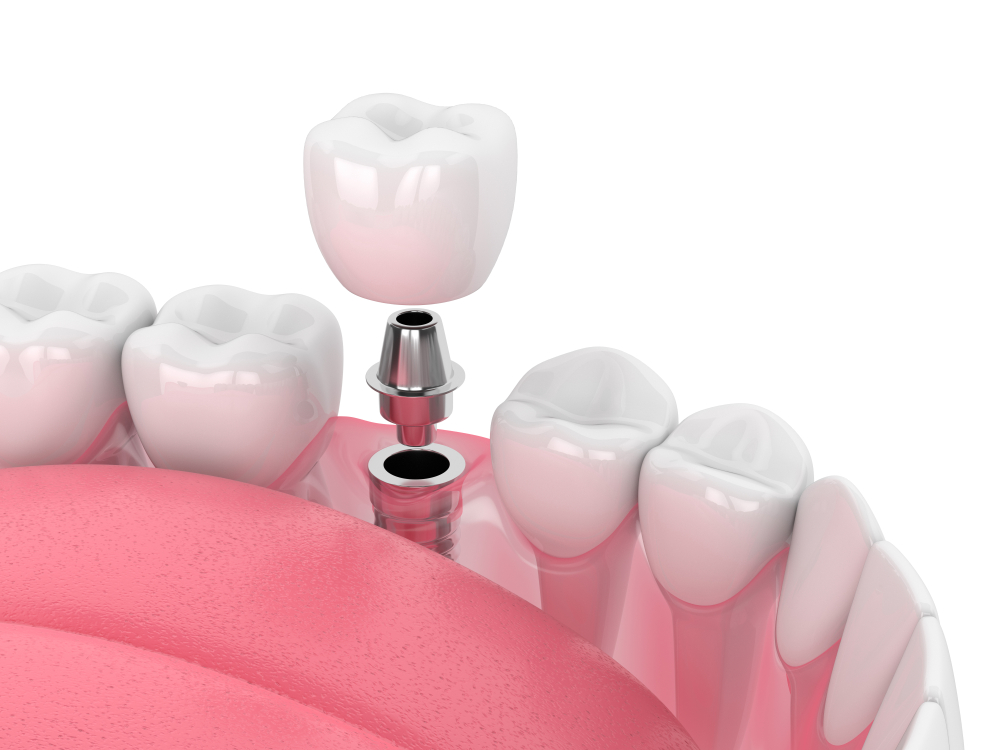 ,Early Challenges: Initially, implant abutments were limited by a one-size-fits-all approach, often leading to fitting issues and aesthetic compromises. Made primarily from metal, they lacked the natural appearance patients desired, posing challenges for both clinicians and patients.,Material Revolution: Responding to patient demand for more natural-looking restorations, the industry shifted towards ceramic and zirco,nia abutments. These materials not only mimicked the appearance of natural teeth but also offered biocompatibility, supporting improved gum health around implant sites.,
Precision and Customization: The advent of CAD/CAM technology enabled tailor-made solutions that perfectly match the patient’s oral structure. This advancement optimized both functionality and aesthetics, elevating the standard of implant dentistry.,
Platform Switching: The introduction of platform switching techniques, using abutments smaller in diameter than the implant platform, aimed to preserve bone levels and enhance soft tissue outcomes. This approach has become a preferred method among dental practitioners, promoting better long-term results.,
Integration with Digital Dentistry: Today, digital impressions and 3D imaging seamlessly integrate with the creation of abutments, streamlining workflows and expediting the design process. This integration enhances collaboration between dentists and lab technicians, ensuring high-quality, customized solutions for patients.,
Looking forward, ongoing research promises further advancements in surface treatments and the development of new materials offering improved strength and esthetics. As we celebrate the progress made in implant abutments, we anticipate future innovations that will continue to redefine restorative dentistry, ensuring better outcomes for patients worldwide.


