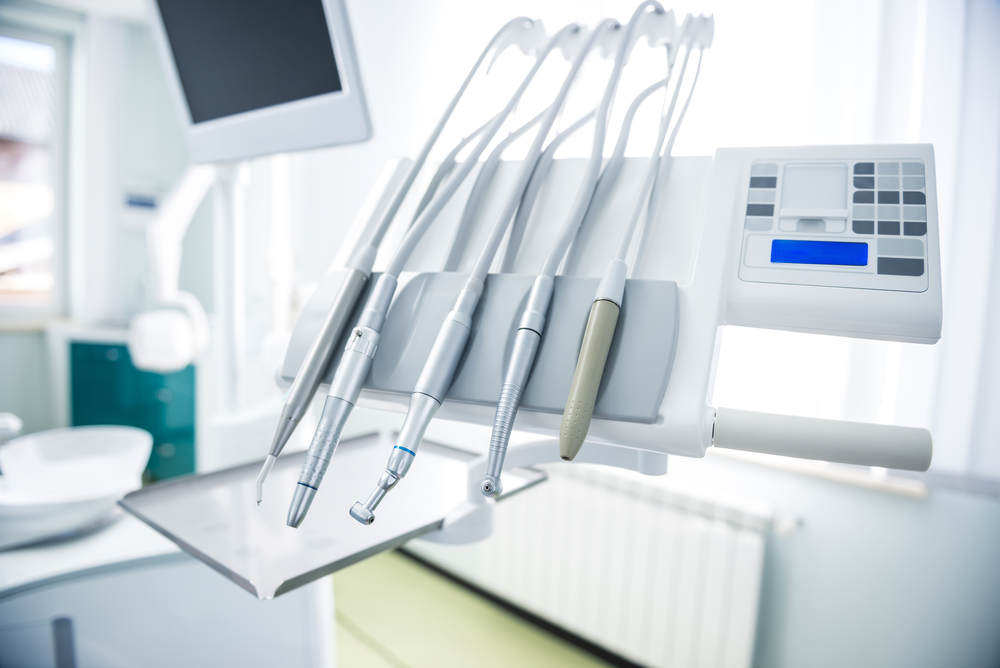
 One often overlooked yet critical aspect of patient safety is the cleanliness of dental waterlines. Achieving and maintaining clean dental waterlines is not just a good practice; it’s an essential one.
Maintenance Methods
Flushing: Regular flushing of waterlines is a fundamental step. At the start and end of each clinical day, as well as between patients, run water for a few minutes to clear stagnant water and potential contaminants.
Chemical Treatment: Utilize antimicrobial agents or disinfectants designed for dental waterline maintenance to prevent biofilm formation and microbial growth. Be sure to follow the manufacturer’s guidelines for proper usage.
Regular Monitoring: Implement a robust monitoring system to ensure water quality. Regularly test water samples to catch any potential issues early.
Cleaning Frequency
The frequency of cleaning dental waterlines can vary depending on several factors, including water quality, usage, and the type of treatment provided. However, along with daily waterline flushing, clinicians should implement weekly or monthly maintenance treatments as recommended by the manufacturer to prevent biofilm buildup.
Clinicians should also adhere to water quality standards set by organizations such as the CDC and EPA. But ultimately, maintaining clean dental waterlines isn’t just about compliance; it’s a commitment to staff and patient safety. Regular treatments and monitoring are essential practices that underscore clinicians’ dedication to everyone’s well-being in the dental practice.


