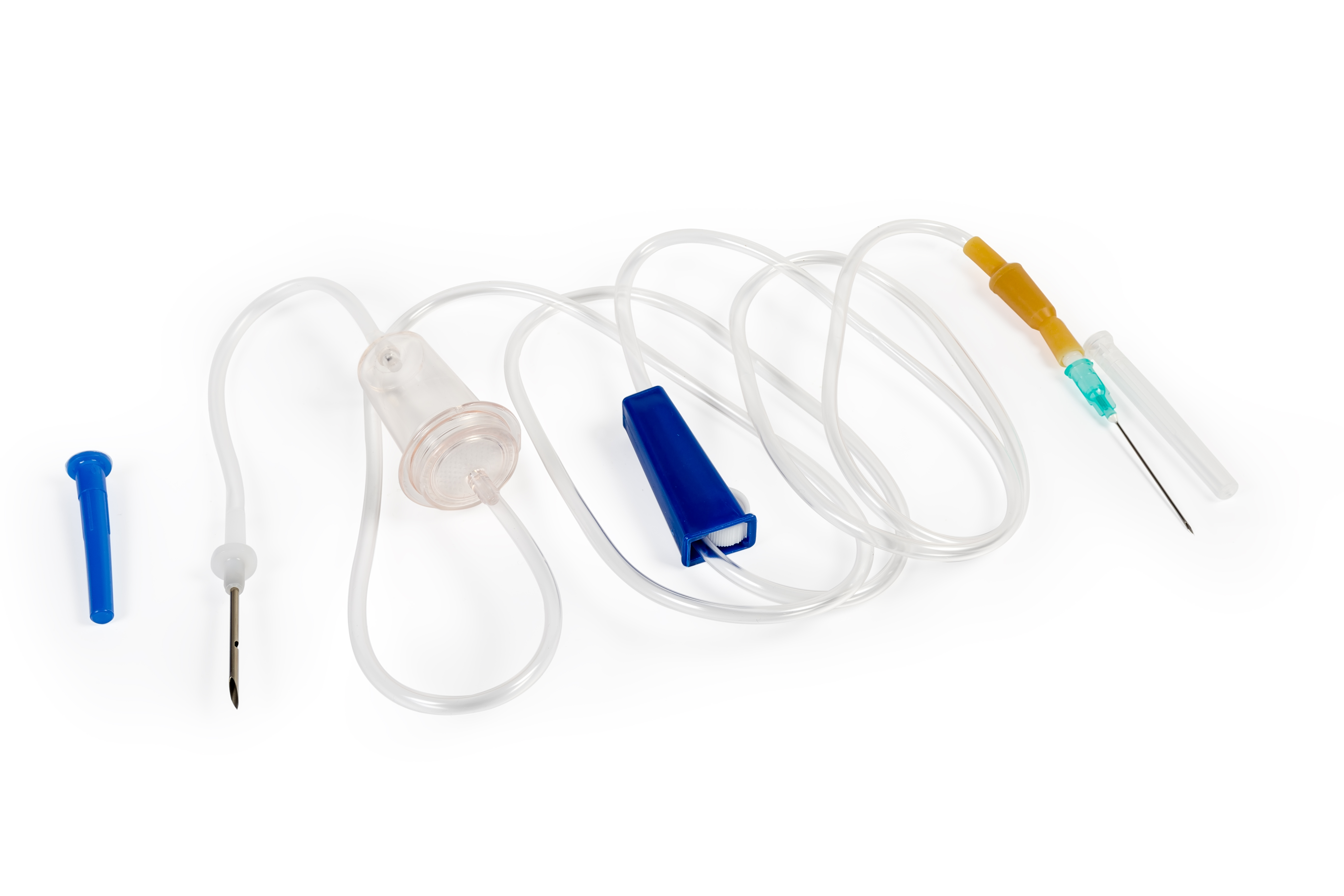
 IV sedation has become an essential tool in dentistry, offering patients a relaxed and anxiety-free experience during procedures. At the heart of this technique are IV sets, which allow for the precise and controlled administration of sedative medications directly into the bloodstream. These sets consist of key components such as a drip chamber to regulate flow, tubing to deliver the sedative, a flow regulator for dosage control, and a needle or catheter for vein access. Because IV sedation takes effect quickly and can be adjusted in real-time, it provides a reliable and efficient way to keep patients comfortable throughout their treatment., ,Why IV Sedation is Beneficial for Patients and Dentists
One of the greatest advantages of IV sedation is its predictability and ability to maintain an optimal level of relaxation. Patients remain conscious but deeply sedated, allowing them to undergo extensive dental work with minimal discomfort or memory of the procedure. Additionally, this method enhances patient cooperation, making it especially beneficial for those with severe dental anxiety or a strong gag reflex. Unlike oral sedatives, which have variable absorption rates, IV sedation offers consistent results and rapid onset, improving both patient experience and treatment efficiency., ,Patient Safety and Monitoring During IV Sedation
Safety is paramount when using IV sedation, which is why continuous monitoring of vital signs is essential. Dentists and their teams closely track oxygen saturation, blood pressure, heart rate, and respiratory function to ensure patient stability. Pulse oximetry, capnography, and ECG monitoring may be used to provide real-time data, allowing for quick adjustments if needed. Alongside careful monitoring, proper patient screening before sedation is crucial. Reviewing medical history, allergies, and current medications helps minimize risks, while post-sedation care ensures a smooth recovery., ,Best Practices for IV Sedation Administration
To maximize safety, dental professionals follow best practices such as precise titration of sedative agents, securing IV placement, and keeping emergency reversal medications on hand. Proper training and adherence to sedation protocols are critical in providing a controlled and positive experience for patients. As sedation dentistry continues to evolve, IV sets remain an indispensable part of modern dental care, allowing for smoother, more efficient procedures while prioritizing patient comfort and well-being.


