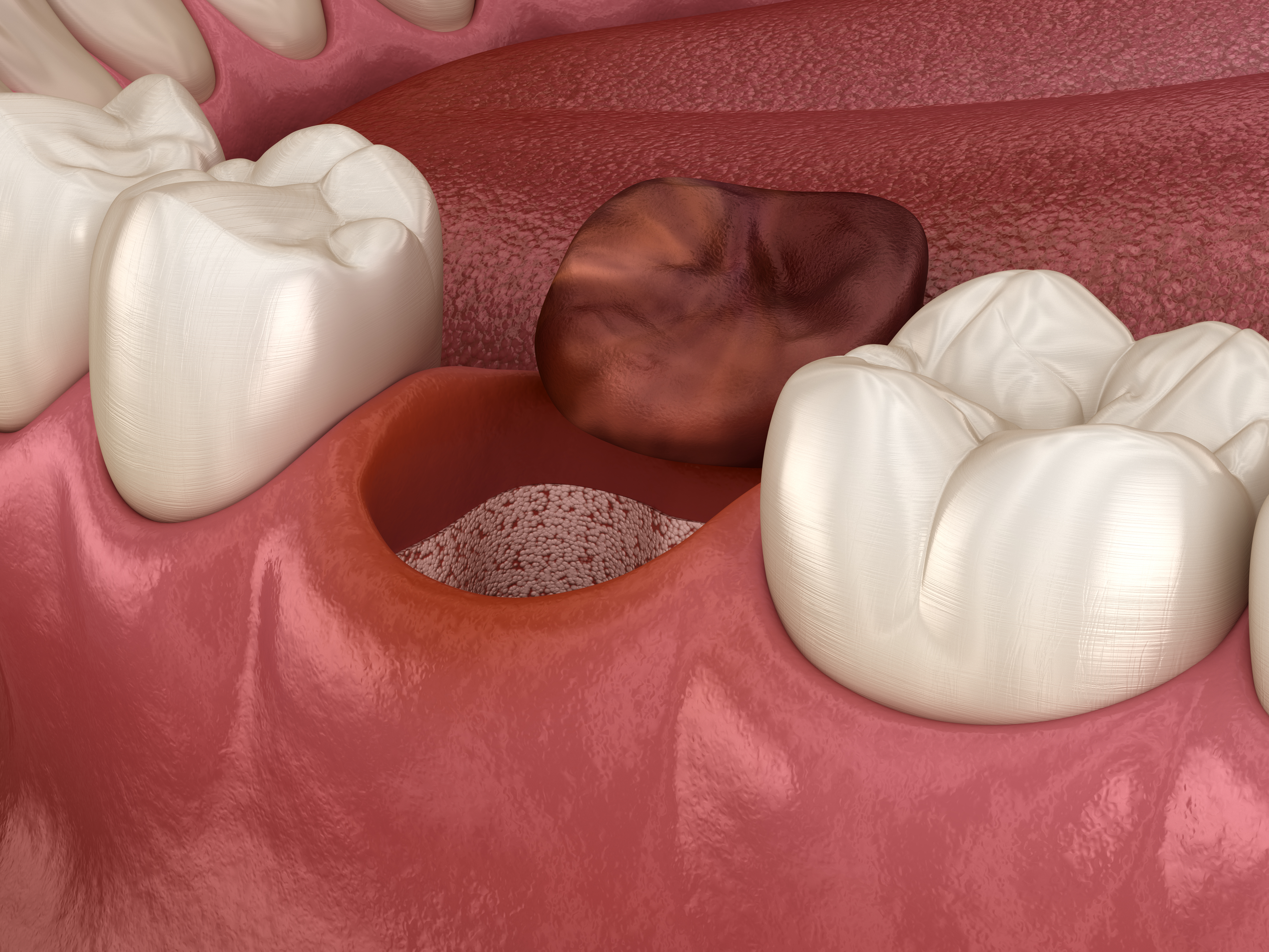
 Dry socket, or alveolar osteitis, remains one of the more common and painful complications after tooth extraction, particularly following third molar (wisdom tooth) extractions. While certain physiological factors may predispose patients to dry socket, clear patient education and carefully tailored post-operative instructions can be invaluable in reducing its occurrence. As dentists, implementing robust patient education strategies can be pivotal in minimizing risk and ensuring smoother recoveries., ,Why Patient Education Matters
Patient education is crucial because much of what happens after the patient leaves the dental office impacts the healing process. Actions such as improper eating, smoking, or using a straw can dislodge the blood clot that forms at the extraction site, leading to dry socket. Dentists are in a unique position to not only provide the treatment but also empower patients with knowledge and guidelines that support healing and reduce complications. When patients understand the importance of specific post-operative instructions, they are far more likely to adhere to them, reducing the risk of dry socket and other complications., ,Effective Communication Techniques
To make post-extraction care as effective as possible, start by ensuring patients clearly understand what dry socket is, why it occurs, and the discomfort it can cause if they don’t follow recommended instructions. Use simple language and consider visual aids or analogies to illustrate the importance of the blood clot for healing. Studies show that patients are more likely to retain information when they understand not just the “what” but the “why” behind it., ,Tailoring Instructions for Each Patient
Each patient’s situation and habits are different, so tailoring instructions can be particularly effective. For instance, if you know a patient smokes, emphasize the importance of avoiding smoking and consider recommending nicotine patches or gum as temporary alternatives. Young patients or those with busy lifestyles may benefit from simple, bulleted lists of what to avoid (such as straws, spitting, or vigorous mouth rinsing). Follow-up calls or digital reminders after the procedure can reinforce these tailored instructions and encourage compliance., ,Utilizing Written and Verbal Instructions
Providing patients with both verbal instructions and written take-home sheets reinforces their understanding and gives them a resource to refer to at home. Consider including visual graphics showing do’s and don’ts. For practices equipped with digital communication systems, sending an email or text with post-operative instructions can serve as an additional reminder., ,Through comprehensive patient education, dentists can play a significant role in preventing dry socket. By prioritizing clear communication, providing personalized guidance, and offering written and digital resources, dentists can help patients take an active role in their recovery, reducing the chances of dry socket and promoting a smooth, complication-free healing process.


