

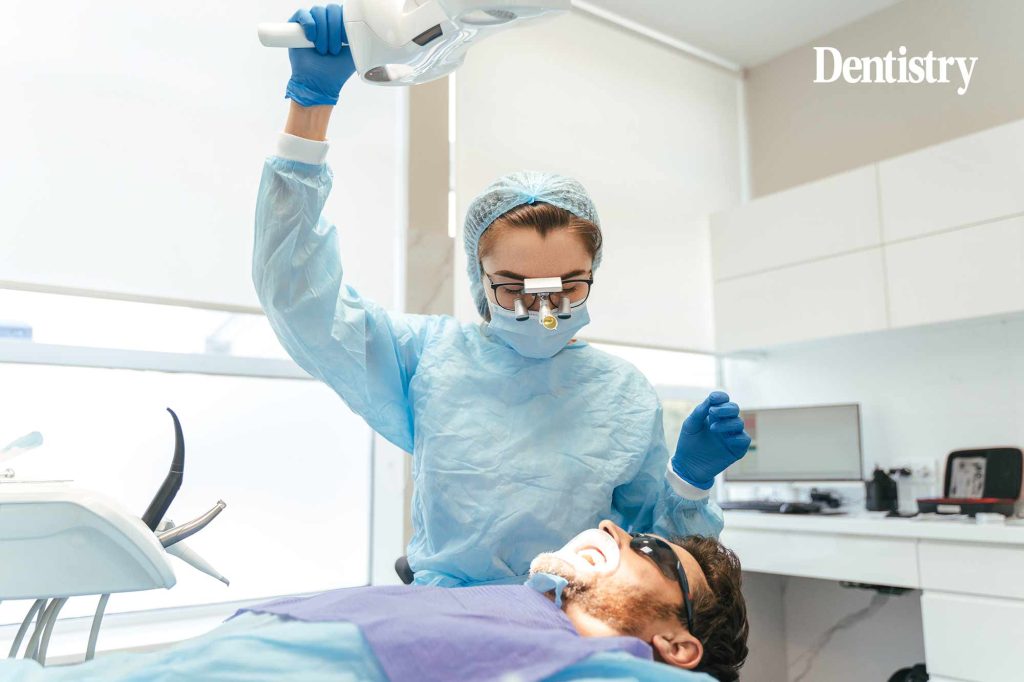
Specialist oral surgeons Ashana Gupta and Tarun Nagpal talk through the ins and outs of tier 2 oral surgery, and the role in might play in the future.
As the NHS dental reform continues to progress, there’s growing recognition that there are skilled dentists who are suitably experienced to perform tier 2 oral surgery within the comfort of a primary care dental setting.
With nearly one million oral surgery-related hospital appointments recorded in England in 2016–17 alone, the demand is overwhelming an already stretched secondary care system.
At the same time, guidance from the British Association of Oral Surgeons (BAOS) and NHS commissioning groups is clear: there is scope to shift a substantial portion of oral surgery referrals made to hospital to the primary care setting.
What is tier 2 oral surgery?
The current NHS oral surgery model is structured into tiers based on complexity and patient needs:
- Tier 1: simple procedures within the scope of any GDP (eg routine extractions)
- Tier 2: intermediate procedures requiring enhanced skills of a clinician who may or may not be a specialist oral surgeon potentially in a primary care dental practice
- Tier 3: complex or medically compromised patients needing specialist or consultant-led care in secondary care facilities.
Tier 2 cases include:
- Surgical removal of impacted third molars
- Management of buried teeth and retained roots
- Apicectomies
- Minor soft tissue procedures (eg biopsies).
Encouragingly, around 30% of hospital oral surgery cases are estimated to be suitable for tier 2 settings and to be provided by clinicians who have the appropriate training and governance arrangements in clinic.


Why access needs to improve
Waiting lists for NHS oral surgery continue to grow, with many patients experiencing long delays to be seen, sometimes exceeding 18 weeks. These delays have far-reaching consequences:
- Prolonged pain and infection risk
- Delayed orthodontic starts or cancer pathway treatment
- Emotional stress and reduced quality of life.
By expanding tier 2 delivery in local dental practices, patients can access care faster, avoid multiple hospital trips, and remain within familiar clinical environments.
Gaining the required experience to perform tier 2 oral surgery in primary care
NHS England and the BAOS have expressed confidence in GDPs to deliver tier 2 services if properly supported.
Indeed, the General Dental Council (GDC) encourages dental professionals to expand their scope of practice responsibly. With structured learning, mentorship and auditing, dentists can safely deliver enhanced services that were limited to being accessible in hospitals.
Upskilling the GDP: A roadmap
Becoming a tier 2 provider isn’t just about technical skill, it’s about demonstrating that you are safe, competent and a reflective practitioner. Here is what’s generally required:
- Postgraduate training in oral surgery (eg PGCert, MSc)
- Supervised clinical experience, ideally supported by a specialist or consultant mentor
- A logbook and audit trail of cases
- Safeguarding, medical emergencies and consent training
- Evidence of complication handling and review of patient outcomes
Portfolios reviewed by NHS commissioners must demonstrate readiness to independently manage tier 2 procedures while recognising your limits of practice.
Some integrated care boards (ICBs) offer structured mentorship pathways to help GDPs transition into tier 2 roles more smoothly. This reduces barriers to entry and ensures consistency in quality of care. The types of cases you may still refer for consultant-led care in hospital, include management of ASA 3 or ASA 4 patients and those requiring a general anaesthetic.
Benefits of well-established tier 2 oral surgery for patients and the NHS
The most obvious advantage of primary care oral surgery is the reduced waiting time for care. For patients, the advantages of having their procedure done locally include:
- Shorter wait for consultation and surgery
- Familiar clinical surroundings and continuity of care (eg receiving multiple modalities of dental care in a single visit such as an immediate denture following extractions)
- Improved communication and access to aftercare
- More potential for flexible appointment times (eg evenings or weekends).
For the NHS, enhanced tier 2 delivery lowers the cost per case compared to hospital care without compromising outcomes and quality of care.
Research from the NIHR suggests that tier 2 services reduce the need for hospital appointments and save costs overall, particularly when combined with central referral and triage systems.
What does the future hold?
Commissioning groups across the UK are increasingly embracing Tier 2 oral surgery models. Some are rolling out electronic referral hubs and pilot schemes to match appropriately trained GDPs with patients closer to home.
Many GDPs are also expanding their skills beyond surgery, branching into conscious sedation to support anxious patients. This is a critical step in facilitating tier 2 care for anxious patients.
Importantly, with more than 5,500 GDPs in the UK already holding postgraduate qualifications in oral surgery or sedation, the workforce potential is there.
Now, with the right support, policy clarity and funding mechanisms, this workforce can help future-proof oral surgery provision.
Benefits for dentists who may want to offer tier 2 oral surgery in the future
Of course, tier 2 care isn’t for everyone. Not all GDPs will choose this path and that’s okay.
But for those who do, the rewards are considerable: professional growth, deeper patient relationships, and a meaningful impact on NHS capacity.
As NHS oral surgery services look to recover and evolve post-pandemic, general dentists have an increasingly vital role to play. Afterall, patients referred to hospital end up seeking emergency care from their dentist whilst they wait to be seen. Multiple emergency appointments can stretch the dentists’ diaries. There is great scope for oral surgery in primary care. One of the biggest barriers is being able to undertake high-quality, hands-on training.
It’s no longer a question of whether tier 2 oral surgery can happen in primary care. It’s how quickly, safely and equitably we can make it the new normal.
@simplyoralsurgery
