

Dental procedures often cause confusion among patients, especially when distinguishing between tooth extraction and oral surgery. Both procedures involve the removal or treatment of teeth and surrounding tissues, but they differ in complexity, purpose, and recovery. This article provides a detailed, factual overview of the differences between tooth extraction and oral surgery, helping patients make informed decisions about their dental care. Keywords like gum disease and Sensitive Teeth will be highlighted to emphasize common dental concerns.
Understanding Tooth Extraction
Definition of Tooth Extraction
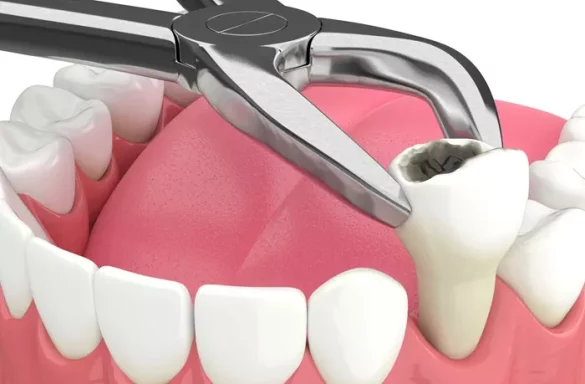
Tooth extraction is a dental procedure where a tooth is removed from its socket in the bone. It is often considered a simple dental treatment, especially for teeth that are fully erupted and accessible. Tooth extraction is performed by a general dentist or an oral surgeon depending on the difficulty of the case.
Common Reasons for Tooth Extraction
There are several reasons why a tooth may need to be extracted:
Severe tooth decay: When decay damages the tooth beyond repair.
Gum disease: Advanced periodontitis can loosen teeth, making extraction necessary.
Impacted teeth: Commonly seen with wisdom teeth that do not fully emerge.
Crowding: Teeth may be removed to make room for orthodontic treatment.
Infection: A tooth with severe infection that cannot be treated with root canal therapy.
The Tooth Extraction Procedure
Simple tooth extraction involves local anesthesia to numb the area. The dentist uses dental instruments to loosen the tooth and gently remove it from the socket. Post-extraction care includes applying gauze to control bleeding, pain management, and maintaining oral hygiene to prevent gum disease or infection.
Recovery After Tooth Extraction
Recovery is typically fast, usually a few days to a week. Patients may experience minor swelling, discomfort, or Sensitive Teeth near the extraction site. Soft foods and avoiding smoking or strenuous activity can promote faster healing.
Understanding Oral Surgery
Definition of Oral Surgery
Oral surgery is a broader term encompassing surgical procedures performed on the teeth, gums, jaw, or other parts of the mouth. These procedures are more complex than simple tooth extraction and often require specialized training and equipment.
Common Types of Oral Surgery
Oral surgery covers a wide range of procedures, including:
Impacted wisdom teeth removal: Surgical extraction of teeth that are partially or fully embedded in the jaw.
Dental implants: Placement of artificial teeth requiring minor surgery in the jawbone.
Jaw surgery (orthognathic surgery): Correcting misalignment of the jaw for function and aesthetics.
Biopsy of oral tissues: Removal of suspicious tissue for laboratory examination.
Cyst or tumor removal: Surgical excision of abnormal growths in the oral cavity.
The Oral Surgery Procedure
Oral surgery is usually performed by a specialized oral and maxillofacial surgeon. Procedures may involve local or general anesthesia depending on complexity. Surgical tools and techniques are used to access deeper structures of the jaw or gums, making it more invasive than a simple tooth extraction.
Recovery After Oral Surgery
Recovery from oral surgery varies based on the procedure. Swelling, bruising, and Sensitive Teeth are common. Healing may take several weeks, and patients are often advised to follow strict post-operative care, including prescribed medications, dietary restrictions, and avoiding physical strain.
Key Differences Between Tooth Extraction and Oral Surgery
Complexity and Invasiveness
Tooth extraction is generally a simple, minimally invasive procedure. Oral surgery is more complex and may involve cutting into soft tissues, removing bone, or placing implants. The invasiveness directly affects healing time and potential risks.
Purpose and Scope
Tooth extraction is limited to removing a single tooth or a few teeth. Oral surgery encompasses a wide variety of procedures that address not only teeth but also gums, jaws, and surrounding oral structures.
Specialization of Practitioners
General dentists can perform many extractions, while oral surgery requires a trained oral and maxillofacial surgeon. Complex extractions, such as impacted wisdom teeth, may also fall under oral surgery.
Recovery and Risks
Recovery from a simple tooth extraction is usually short and uncomplicated. Oral surgery often involves a longer recovery, more post-operative care, and higher risk of complications such as infection, swelling, or prolonged Sensitive Teeth.
When Tooth Extraction Is Recommended
Tooth extraction is often recommended when:
- A tooth is beyond repair due to decay or damage.
- Severe gum disease threatens surrounding teeth.
- Orthodontic treatment requires more space in the mouth.
- Infection cannot be resolved with antibiotics or root canal therapy.
When Oral Surgery Is Required
Oral surgery is indicated when dental issues are complex and cannot be treated with simple extraction, such as:
- Partially erupted or impacted wisdom teeth.
- Jaw misalignment or facial deformities.
- Dental implant placement for missing teeth.
- Removal of oral cysts or tumors.
- Severe trauma requiring reconstruction of oral structures.
Managing Pain and Sensitivity
Both procedures can result in Sensitive Teeth or discomfort. Pain management strategies include:
- Over-the-counter or prescribed pain medications.
- Cold compresses to reduce swelling.
- Soft diet to avoid aggravating the surgical site.
- Maintaining oral hygiene to prevent gum disease.
Preventing Complications
Complications can arise if proper care is not followed. Recommendations include:
- Following dentist or surgeon post-operative instructions.
- Avoiding smoking or alcohol consumption.
- Regular monitoring for signs of infection or delayed healing.
- Using antiseptic mouth rinses as prescribed.
Conclusion
Understanding the difference between tooth extraction and oral surgery is essential for effective dental care. While tooth extraction is a straightforward procedure mainly focused on removing problematic teeth, oral surgery addresses more complex issues involving teeth, gums, and jaw structures. Both procedures require careful planning, professional expertise, and proper post-operative care to ensure optimal outcomes. By knowing the differences, patients can make informed decisions about their dental treatments and maintain healthy teeth and gums, reducing the risk of gum disease and managing Sensitive Teeth.
