

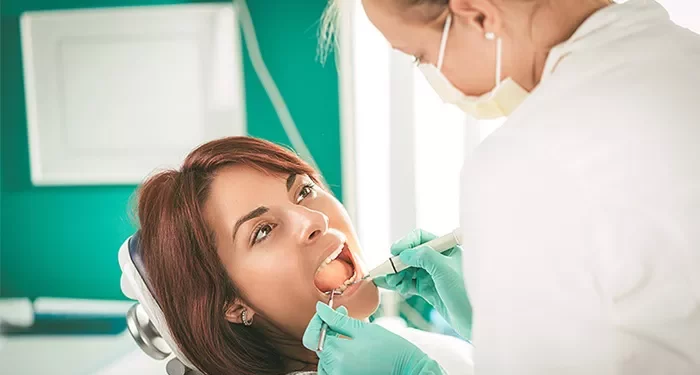
Decades ago, a speaker at a medical conference issued an appeal: “We’ve been trying to convince the powers that be that the mouth is part of the body.” Today, this statement still applies to the American health care system.
Although Medicare provides critical medical coverage for millions of people over the age of 65, its coverage of dental care is still seriously lacking.
Original Medicare (Parts A and B) does not cover dental services at all. While some Medicare Advantage plans (Part C) offer limited dental coverage, these benefits are often insufficient to cover expensive treatments.
For example, a crown may cost $2,500, while Medicare Advantage plans typically cap annual benefits at just $1,300. As for most Medigap plans, dental coverage is completely excluded.
This policy lag is particularly ironic—because the risk of oral problems increases significantly as we age. “Medicare has improved the overall health of older people, but it has left a huge gap in dental coverage,” said Dr. Lisa Simon, a researcher at Harvard Medical School and Dentistry.
This is not accidental. Dental care has been excluded since President Lyndon Johnson signed the Medicare Act in 1965.
At the time, oral health was not widely seen as an important part of overall health. The American Dental Association (ADA) even opposed the legislation and still has reservations about adding dental benefits to Medicare.
While Congress has repeatedly amended the Medicare system to add prescription drug plans (Part D) and Advantage plans (Part C), efforts to include dental, vision, and hearing services have been repeatedly frustrated.
For example, the Seniors Have Eyes, Ears, and Teeth Act of 2019 died in committee, and in 2021, dental services were nearly included in the Build Back Better Act but were ultimately excluded.
Still, public support remains strong. According to a 2024 poll, 92% of Americans support adding dental services to Medicare.
Experts such as Bailey Reavis of Families USA say, “Once the political situation in Congress changes, dentistry will become a priority.”
Why is it so important? Research continues to confirm that oral health is closely linked to overall health. Melissa Burroughs, senior director of public policy at the CareQuest Institute, noted that dental problems not only lead to oral inflammation and tooth loss, but also increase the risk of heart disease, diabetes, Alzheimer’s disease and even glaucoma, hypertension, respiratory diseases and mental health problems.
Despite the rising demand for oral health, many older Americans give up dental care due to high costs. Data shows that nearly half of Americans aged 65 and over have not visited a dentist in the past year. 70% of seniors suffer from periodontal disease, which is one of the main causes of tooth loss, causing 17.3% of the elderly to lose all their teeth.
In the United States, access to dental services is particularly complicated. Viable options include:
Medicare Advantage Plans: More than half of Medicare beneficiaries join, but only 8.4% provide “comprehensive” dental services.
Medicaid: Provides partial dental insurance for low-income people, but coverage varies greatly from state to state.
Standalone dental insurance: Average monthly premium is $46, with an annual limit of $1,000 to $2,000.
Other low-cost options: such as dental schools, savings plans, community clinics and charitable programs (such as the Dental Lifeline Network), but they often require a long wait.
Some people have to resort to credit cards or home equity loans to pay dental bills. Others have to make a difficult choice between making ends meet and receiving treatment.
“It’s a vicious cycle,” Burroughs pointed out. “Ignoring oral problems not only leads to more serious health complications, but also increases the cost of subsequent treatment.”
Experts call on the government to take action. “Everyone should get preventive dental care to prevent problems before they occur,” said Dr. Simon. “This not only improves overall health, but also reduces the high cost of emergency treatment.”
Simon, Burroughs and other experts call on the public to take action: contact members of Congress to express their willingness to include dental insurance in health insurance.
Nonprofit organizations such as CareQuest, Families USA, and the National Council on Aging are actively promoting relevant legislation. As Burroughs said: “It’s time for health insurance to truly reflect the importance of oral health.”
