


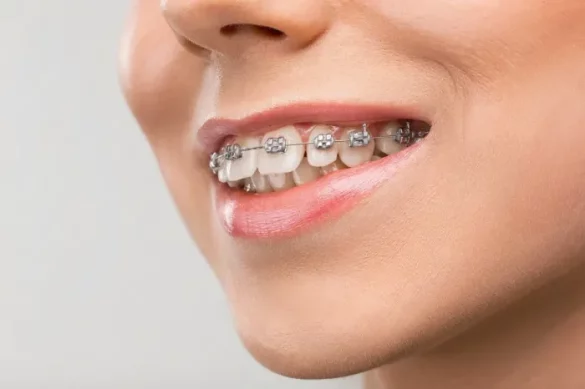
There is widespread curiosity among parents about the perfect age for children to get braces. It is a common concern, and getting the timing right can make a big difference for a child’s oral health, comfort, and confidence. Dental professionals recommend careful attention to the development of children’s teeth, with early assessments and individualized orthodontic plans. Understanding the factors that influence the age at which braces are appropriate is essential for parents to make informed decisions regarding their child’s dental care.
When Should Children Get Their First Orthodontic Evaluation?
Most orthodontists and dental associations, including the American Association of Orthodontists, advise that a child’s first orthodontic evaluation should take place by the age of 7. At this age, the orthodontist can start to assess the way permanent teeth are coming in and identify possible concerns such as alignment issues, bite problems, or jaw growth irregularities. Even though children do not usually get braces this early, this initial visit is important because it helps detect problems that could be managed or prevented before they become severe.
An early evaluation does not always mean treatment. In many cases, the orthodontist will simply monitor the child’s dental development over time. This approach supports proactive care, ensuring that when intervention is needed, it can happen at the most beneficial moment for the child.
What Is the Best Age for Braces?
The most common age for children to actually start wearing braces is between 9 and 14 years old. This window is considered optimal because by this time, most or all of the permanent teeth have erupted. Braces placed during these years allow for effective treatment of crooked teeth, bite issues, or gaps. Starting orthodontic treatment while the child is still growing gives the orthodontist the advantage of guiding the jaw and teeth into their proper alignment as the child matures.
Every child’s dental development is unique. Some may benefit from orthodontic intervention a little earlier or later, depending on their needs. Factors such as genetics, oral habits (like thumb sucking), and the way permanent teeth emerge affect the timing of braces. It’s crucial for parents not to focus solely on age but to consider individual dental circumstances.
Signs Your Child Might Need Braces
There are several signs that could indicate a need for braces. These include:
- Early or late loss of baby teeth
- Difficulty chewing or biting
- Mouth breathing
- Crowded, misplaced, or blocked teeth
- Jaws that make sounds or appear recessed or protruding
- Difficulty speaking or biting the cheek
- Protruding upper or lower teeth
Parents should pay attention to these signs, but the final evaluation should be made by an orthodontist. Sometimes, dental issues are not visible or may be developing below the surface. A professional can use X-rays and detailed examinations to make accurate recommendations.
Why Early Evaluation Matters
Early orthodontic assessment offers multiple benefits. Problems spotted early, such as improper jaw growth, airway issues, or bad oral habits, can be managed before they become serious. For some children, early intervention (even before braces) may involve devices like palate expanders or retainers to guide dental and jaw development. These treatments can simplify or shorten future orthodontic care.
If braces are needed, starting at the right age can help ensure better results and reduce discomfort. Children’s teeth and jaws are more responsive to adjustment than adults’ teeth, so treatment during growth periods tends to be more effective and efficient.
What Happens During the First Orthodontic Visit?
A child’s first orthodontic check-up involves a thorough evaluation. The orthodontist will examine jaw growth, bite alignment, and the way teeth are erupting. They may ask questions about oral habits and do X-rays or scans to see the position of teeth not yet erupted. The purpose is to gather complete information to guide the overall treatment plan. In many cases, the orthodontist will recommend monitoring the child’s dental health regularly rather than starting braces immediately.
Types of Braces Available for Children
Depending on what the orthodontist finds, they might suggest different types of braces and appliances. The options include:
- Traditional metal braces (often with colored elastics for personalization)
- Ceramic braces (less visible than metal)
- Removable clear aligners (usually for mild to moderate corrections)
- Specialized devices for jaw or bite correction
The orthodontist will discuss which type works best for your child’s specific needs, age, activity level, and personal preference. For example, younger children or those needing more complex corrections typically benefit from traditional braces, while older children and teens may be candidates for less visible options.
Does Waiting Too Long Matter?
Delaying orthodontic care can sometimes increase the complexity or duration of treatment. Most dental and jaw alignment problems do not improve on their own. Untreated issues can lead to pain, difficulty chewing, speech problems, or even lowered self-esteem if a child becomes sensitive about their smile. Sometimes, waiting can result in the need for more advanced treatment, such as surgery or extractions later in life.
It’s also important to note that braces are not limited to children. Teens and adults can benefit from orthodontic care, but the optimal window for guiding jaw growth is during the early teen years.
What Are the Benefits of Getting Braces at the Right Age?
When braces are placed at the recommended age, children gain many advantages:
- Easier adjustment to wearing braces
- Shorter treatment time overall
- Lower risk of future dental problems
- Improved oral hygiene and easier cleaning
- Better chewing and biting function
- Boosted confidence with an improved smile
Braces do more than straighten teeth. They can correct jaw positions, improve speech, and prevent future dental trauma. The ultimate goal is a healthy, functional, and beautiful smile that lasts a lifetime.
Are Braces Painful for Children?
Braces do not generally cause pain, but some mild discomfort is normal when they are first applied or adjusted. This sensation usually fades within a few days. Dental professionals use gentle techniques and provide guidance to help children transition smoothly. Using soft foods and good oral hygiene helps the adaptation process. Serious side effects are rare when braces care is managed by experienced professionals.
Can Children Still Be Active With Braces?
Absolutely. Children with braces can continue sports, music, and all normal activities. For athletes, a custom mouthguard may be recommended to protect the teeth. Musicians may need a short adjustment period but adapt quickly to playing instruments with braces.
Conclusion
The best age for getting braces typically falls between 9 and 14 years, but this is guided by individual dental development and needs, not only by age. Early orthodontic evaluation by age 7 is critical to spot problems and plan for optimal treatment timing, giving each child the best chance for effective care. Braces support oral health, function, and confidence that last a lifetime. Parents can help their child by scheduling a professional orthodontic assessment and staying aware of changes in their child’s dental health.
FAQs
At What Age Should My Child See an Orthodontist?
Children should have their first orthodontic visit by age 7 for early detection and planning.
Can Adults Get Braces Too?
Yes, adults can benefit from orthodontic care at any age, though treatment may take longer.
How Long Will My Child Need to Wear Braces?
Most children wear braces for 18–36 months, depending on the complexity of the treatment.
Will My Child Experience Pain With Braces?
Mild discomfort is common but usually brief. Dentists will provide support and advice to minimize discomfort.
What If My Child’s Teeth Look Straight?
Even if teeth appear straight, underlying issues may exist. Only a professional can fully assess the need for braces.