


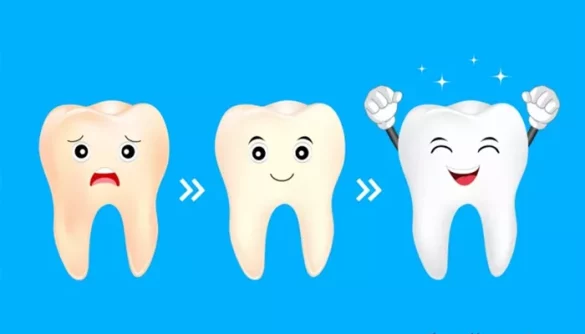
A cavity, also known as dental caries or tooth decay, is a permanently damaged area in the hard surface of your tooth. It develops into tiny holes or openings. Cavities result from a process where oral bacteria feed on sugars and produce acid, which slowly erodes the enamel. If left untreated, cavities can penetrate deeper layers of the tooth, leading to sensitive teeth, pain, infection, and even tooth loss.
How Cavities Form
The main cause of cavities is plaque — a sticky film of bacteria that builds up on your teeth. When you eat sugary or starchy foods, the bacteria in plaque produce acid. This acid attacks your enamel, creating holes. Over time, the damage becomes more significant if not addressed.
Can Cavities Be Healed at Home?
The Limitations of Home Remedies
It is important to understand that once a cavity has formed, it cannot be completely healed at home without professional dental treatment. However, early-stage decay — known as demineralization — can be reversed with proper care. Deep cavities that have reached the dentin or pulp require intervention from a dentist.
When to Seek Professional Help
If you experience sharp tooth pain, visible holes, or sensitive teeth when consuming hot, cold, or sweet foods, it is likely that the cavity has advanced. You should schedule a visit to the dentist as soon as possible. If the condition is neglected, it could lead to more serious issues such as gum disease or a dental abscess.
What Can I Put on a Cavity to Help Heal or Relieve It?
1. Fluoride Treatments
Fluoride is one of the most effective agents in preventing and even reversing the early stages of tooth decay. You can apply:
Fluoride toothpaste — brush twice daily with fluoride-rich toothpaste.
Fluoride mouth rinses — use daily to strengthen enamel and reduce bacteria.
Prescription fluoride gels — available through your dentist for intensive care.
2. Calcium and Phosphate Supplements
Products containing calcium and phosphate, such as casein phosphopeptide-amorphous calcium phosphate (CPP-ACP), help remineralize enamel. These can be found in professional dental pastes and are especially helpful in early decay stages.
3. Clove Oil for Temporary Relief
Clove oil contains eugenol, a natural anesthetic and antibacterial agent. You can apply it with a cotton swab to reduce pain and bacterial activity. It is a temporary measure and not a cure for cavities.
4. Xylitol Products
Xylitol is a natural sugar substitute that reduces the number of harmful bacteria in the mouth. Use xylitol gum or mints to help neutralize acids and stimulate saliva production, which protects against decay.
5. Coconut Oil Pulling
Oil pulling with coconut oil may help reduce bacterial levels in the mouth. Swish 1 tablespoon of organic coconut oil in your mouth for 10–15 minutes daily, then spit it out and rinse. While not a cure, it may support oral health when combined with other methods.
6. Aloe Vera Gel
Aloe vera has antibacterial properties and can help control the growth of bacteria that contribute to cavities. Applying a small amount of aloe vera gel to the affected tooth may provide some benefit, though it’s not a long-term solution.
Preventive Measures to Stop Cavity Progression
Proper Oral Hygiene Practices
Maintaining good oral hygiene is the most effective way to prevent and slow cavity development. This includes:
- Brushing at least twice daily with fluoride toothpaste
- Flossing once a day to remove plaque between teeth
- Rinsing with an antiseptic mouthwash
Dietary Changes
Reducing the intake of sugary and acidic foods will lessen bacterial acid production. Include more fiber, vegetables, and dairy in your diet to enhance saliva production and protect your teeth.
Stay Hydrated
Drinking water throughout the day helps rinse away food particles and acid. Saliva is your mouth’s natural defense against decay. Staying hydrated keeps saliva production high.
Addressing Sensitive Teeth and Related Problems
Why Are My Teeth Sensitive?
Tooth sensitivity is often a sign that a cavity is present or that enamel has worn away. You may feel pain when eating hot, cold, or sweet foods. Sensitivity can also result from gum disease, tooth grinding, or receding gums.
Products to Help with Sensitivity
Use desensitizing toothpaste that contains ingredients like potassium nitrate or stannous fluoride. These products help block pain signals from reaching the nerve. Your dentist may also recommend varnishes or sealants for protection.
What Role Does Gum Disease Play in Cavities?
Gum Disease and Tooth Decay
Gum disease — also known as periodontal disease — is a chronic infection that damages the soft tissue and bone that support the teeth. When gums recede, they expose the roots, which are not protected by enamel, making them more vulnerable to decay.
Managing Gum Disease
Early gum disease (gingivitis) can be reversed with good oral hygiene and professional cleanings. More advanced stages may require scaling, root planing, or surgery. Addressing gum disease is crucial to preventing root cavities and other complications.
When Home Remedies Are Not Enough
Professional Dental Fillings
When a cavity progresses beyond the enamel and enters the dentin layer, your dentist will need to clean out the decay and fill the hole. Common materials include composite resin, amalgam, or porcelain.
Root Canals and Crowns
If decay reaches the tooth pulp, a root canal may be necessary to remove the infected tissue. The tooth is then sealed and often covered with a crown. This treatment is essential to save the tooth and prevent abscesses.
Tooth Extraction
In extreme cases, when a cavity has destroyed too much of the tooth structure and infection is widespread, the only option may be extraction. This is generally a last resort.
How to Monitor and Protect Your Dental Health Daily
Daily Dental Care Routine
To maintain healthy teeth and prevent cavities, follow this routine:
- Brush your teeth for 2 minutes twice a day
- Floss to remove debris between teeth
- Use fluoride mouthwash
- Replace your toothbrush every 3 months
- Visit your dentist twice a year
Dental Sealants
Dental sealants are a protective coating applied to the chewing surfaces of back teeth. They prevent food and bacteria from becoming trapped in grooves. Sealants are often used in children but can benefit adults as well.
Conclusion
While some early cavities may be slowed or even partially reversed with good oral care and remineralizing agents, deep cavities cannot heal without a dentist. Knowing what you can put on a cavity to reduce pain and bacteria is helpful, but it’s no substitute for professional treatment. Avoid sugary foods, brush with fluoride, and seek dental help promptly.
Protecting your smile also means taking care of related issues like sensitive teeth and gum disease. A proactive, preventive approach ensures a healthier, pain-free mouth for years to come.