

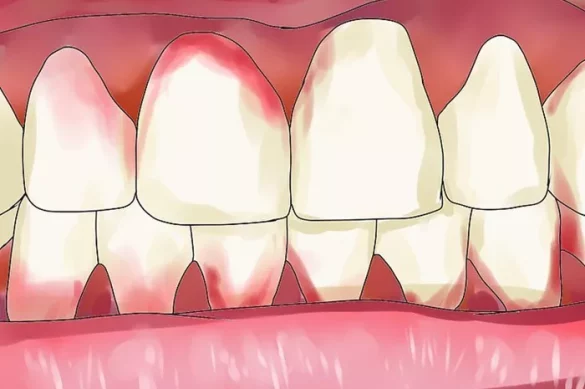
Mouth blisters on gums are a common dental concern. They can cause discomfort and sensitivity in the affected areas. Understanding the causes of these blisters is important to ensure proper treatment and care. This article explores the various reasons why blisters form on the gums, including infections, trauma, and underlying gum disease.
What Are Mouth Blisters on Gums?
Mouth blisters on gums appear as small, fluid-filled sores or bumps. They can be painful or cause sensitive teeth and gums. These blisters may vary in size and sometimes become ulcers if they break open. Although usually temporary, recurring blisters should be evaluated by a dental professional.
Types of Blisters Found on Gums
Aphthous ulcers: Also called canker sores, these are small painful blisters that develop inside the mouth, including the gums.
Herpetic blisters: Caused by the herpes simplex virus, these blisters often occur on the gums and lips.
Traumatic blisters: Result from physical injury or irritation.
Allergic reaction blisters: Due to sensitivities or allergies to dental products or foods.
Common Causes of Mouth Blisters on Gums
1. Viral Infections
Viral infections are among the most frequent causes of mouth blisters on gums. The herpes simplex virus (HSV) causes herpetic gingivostomatitis, which leads to painful blisters and ulcers on the gums and other oral tissues. These blisters often appear suddenly and may be accompanied by fever and swollen lymph nodes.
2. Aphthous Stomatitis (Canker Sores)
Aphthous stomatitis is a condition where small, shallow blisters or ulcers develop on the gums and inside the mouth. The exact cause is unknown, but it may relate to immune system problems, stress, hormonal changes, or nutritional deficiencies such as low vitamin B12 or iron.
3. Trauma and Irritation
Physical injury to the gums is a common cause of blisters. This can result from:
- Brushing too hard or using a hard-bristled toothbrush
- Accidental biting of the gums
- Ill-fitting dentures or braces
- Consuming very hot or acidic foods
Trauma may lead to inflammation and blister formation, often accompanied by sensitivity in the surrounding teeth and gums.
4. Allergic Reactions
Allergic reactions to certain toothpaste ingredients, mouthwash, dental materials, or foods can cause blisters or ulcers on the gums. These reactions sometimes result in gum disease symptoms like redness, swelling, and discomfort.
5. Bacterial Infections and Gum Disease
Bacterial infections that cause gum disease (gingivitis and periodontitis) can also contribute to the formation of blisters or sores on the gums. Gum disease causes inflammation, bleeding, and sensitivity. In some cases, abscesses or pus-filled blisters can develop due to infection.
6. Systemic Conditions
Some systemic diseases and conditions, such as autoimmune disorders (e.g., pemphigus vulgaris, lichen planus), can manifest as painful blisters or ulcers on the gums. These conditions often require specialized medical and dental care.
7. Nutritional Deficiencies
Deficiencies in key vitamins and minerals like vitamin B12, folic acid, zinc, and iron may lead to poor gum health and increase the risk of blisters forming on the gums.
Risk Factors for Developing Mouth Blisters on Gums
- Poor oral hygiene, which can worsen gum disease and cause gum irritation
- Sensitive teeth or gums, increasing vulnerability to trauma or infection
- Stress and hormonal changes, which affect immune response
- Use of tobacco products
- Food allergies or sensitivities
- Immunosuppressive conditions or medications
Symptoms Associated with Mouth Blisters on Gums
Blisters on the gums may present with various symptoms, including:
- Pain or burning sensation
- Sensitivity to hot, cold, or spicy foods
- Swelling and redness around the blister
- Bleeding gums
- Difficulty eating or speaking
- In severe cases, fever and swollen lymph nodes
When to See a Dentist for Mouth Blisters
If blisters on the gums persist longer than two weeks, recur frequently, or are accompanied by severe pain or other systemic symptoms, it is important to seek professional dental care. Persistent blisters may indicate serious conditions such as advanced gum disease or systemic illness.
Diagnosis of Mouth Blisters on Gums
A dentist will perform a thorough oral examination and review your medical history. Sometimes, laboratory tests such as viral cultures, blood tests, or biopsy may be needed to identify the exact cause of the blisters.
Treatment Options for Mouth Blisters on Gums
1. Maintaining Oral Hygiene
Good oral hygiene is essential to prevent infection and promote healing. Use a soft-bristled toothbrush and gentle brushing techniques to avoid irritating sensitive gums. Regular flossing helps keep plaque away and reduce gum disease risks.
2. Topical Treatments
Topical gels and ointments containing analgesics, antiseptics, or corticosteroids can relieve pain and inflammation. Over-the-counter products designed for mouth sores may help speed healing.
3. Medications
In cases caused by viral infections, antiviral medications may be prescribed. For bacterial infections, antibiotics could be necessary. Nutritional supplements may also be recommended for deficiencies.
4. Avoiding Triggers
Avoid spicy, acidic, or hard foods that irritate the gums. Identify and eliminate allergens if allergic reactions are suspected. Manage stress through relaxation techniques.
5. Professional Dental Treatments
If gum disease is involved, professional cleaning, scaling, and root planing may be required. In severe cases, surgery might be necessary to treat gum disease and prevent further damage.
Preventing Mouth Blisters on Gums
Preventative measures include:
- Maintaining excellent oral hygiene
- Using gentle dental care products suitable for sensitive teeth and gums
- Regular dental check-ups to detect gum disease early
- Avoiding known irritants and allergens
- Eating a balanced diet rich in vitamins and minerals
- Managing stress effectively
Conclusion
Mouth blisters on gums can result from many causes, ranging from minor trauma and infections to serious gum disease or systemic conditions. Understanding these causes helps in managing symptoms and seeking proper treatment. Maintaining good oral hygiene and consulting a dental professional when blisters persist are key to preserving healthy gums and preventing complications.
