

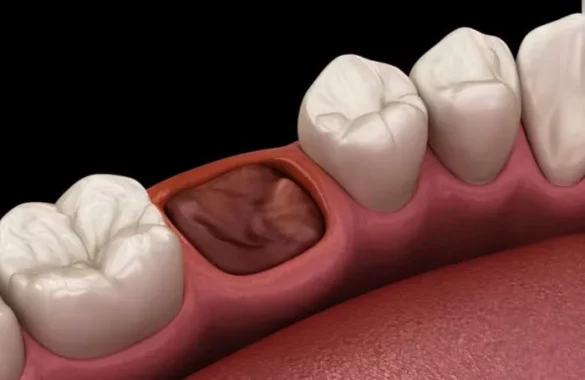
When a tooth is extracted, the empty space left behind is called a tooth socket. The healing of this socket is a natural process that your body manages to restore the bone and soft tissue. Understanding what a healing tooth socket feels like can help you recognize normal recovery and identify potential problems such as gum disease or infection.
Immediate Sensations After Tooth Extraction
Right after a tooth extraction, the tooth socket will feel numb due to local anesthesia. Once the anesthesia wears off, you may experience:
- Mild to moderate pain or discomfort
- Soreness or tenderness around the socket
- Swelling in the surrounding gums and cheek
- A feeling of pressure or fullness where the tooth was
These sensations are normal and indicate the body has started the healing process.
Pain Level and Duration
Pain usually peaks within 24 to 48 hours post-extraction and then gradually reduces. Using prescribed painkillers or over-the-counter medications can help control this discomfort. If pain intensifies after the first few days, it may signal complications such as dry socket or infection.
How a Healing Tooth Socket Progresses Over Time
Healing progresses in stages that affect how the socket feels:
First 24-48 Hours: Blood Clot Formation
A blood clot forms in the socket to protect the bone and nerves underneath. This clot feels like a soft, tender mass inside the socket. It is crucial for healing. The area may feel sore and sensitive, especially when touching or eating.
3 to 7 Days: Initial Tissue Growth
Within a week, the clot begins to be replaced by soft tissue. The socket may feel less painful but can remain tender or sensitive to temperature changes. Some mild swelling and gum inflammation may still be present.
1 to 2 Weeks: Soft Tissue Maturation
New gum tissue starts to cover the socket, decreasing sensitivity. You might feel slight tightness or firmness as the tissue becomes denser. Minor itching or tingling sensations can also occur, indicating healing.
3 to 4 Weeks: Bone Remodeling
The bone under the socket slowly regenerates. You may notice the socket feels firm but not painful. Sensitivity to hot or cold may linger but should lessen over time.
Common Sensations in a Healing Tooth Socket
During the healing process, you can expect various sensations, including:
- Tenderness: Mild soreness around the extraction site
- Pressure: A sensation of fullness or slight pressure inside the socket
- Sensitivity: Increased sensitivity to hot, cold, or touch
- Itching or Tingling: As nerves and tissue regenerate
- Dryness: If the blood clot dislodges, leading to dry socket, which is painful
Signs of Normal Healing Versus Complications
Understanding what feels normal can help prevent worsening issues. Here is a comparison of typical healing sensations and warning signs:
Normal Healing
- Gradual reduction in pain and swelling
- Improving gum tissue coverage over the socket
- Sensation of firmness as bone regenerates
- No foul odor or pus
- Ability to eat and clean gently around the site
Possible Complications
- Severe or increasing pain, especially after 3 days
- Visible empty socket with exposed bone (dry socket)
- Swelling worsening or spreading
- Bad taste or foul smell from the socket
- Fever or feeling unwell
Managing Sensitivity and Discomfort During Healing
Sensitivity is common during socket healing, especially if you had gum disease or other oral health issues before extraction. Tips to manage discomfort include:
- Avoiding hot, spicy, or acidic foods that irritate the socket
- Using a soft-bristled toothbrush near the area
- Rinsing gently with salt water after 24 hours to reduce bacteria
- Following your dentist’s instructions carefully
- Using desensitizing toothpaste if sensitivity persists
How Gum Disease Affects Tooth Socket Healing
Patients with gum disease may experience slower healing because the surrounding tissues are already inflamed or infected. This condition can cause:
- Increased socket sensitivity
- Prolonged swelling
- Higher risk of socket infection
Proper management of gum disease before and after extraction is essential to promote healthy healing.
When to Contact Your Dentist
If your healing tooth socket feels unusual or painful beyond the expected time, consult your dentist. Key signs to watch for include:
- Persistent or worsening pain after one week
- Bleeding that does not stop
- Signs of infection like pus or fever
- Loose blood clot or exposed bone in the socket
Prompt care can prevent serious complications and help restore oral health.
Tips for Promoting Healthy Tooth Socket Healing
To ensure your tooth socket heals properly and to minimize discomfort, follow these guidelines:
- Maintain oral hygiene: Clean gently around the area but avoid disturbing the clot
- Avoid smoking and alcohol: These can slow healing and increase infection risk
- Eat soft foods: Avoid chewing on the extraction side
- Use cold compresses: To reduce swelling in the first 48 hours
- Take medications as prescribed: For pain and infection prevention
Long-Term Sensitivity After Extraction
Some patients may experience lingering sensitive teeth near the extraction site. This can occur because of:
- Temporary nerve irritation
- Exposed dentin due to gum recession
- Healing bone remodeling
Using a desensitizing toothpaste or fluoride treatments can help reduce sensitivity. If sensitivity persists beyond a few months, a dental professional should evaluate the area.
Conclusion
Knowing what a healing tooth socket feels like can help you manage recovery effectively and avoid complications. Normal healing includes soreness, tenderness, sensitivity, and gradual tissue regrowth. Proper care, especially in patients with gum disease, promotes faster healing and minimizes pain. Always contact your dentist if you experience unusual or severe symptoms during healing.
