

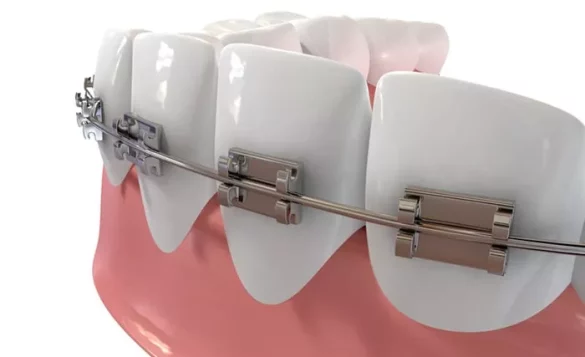
Braces are a common orthodontic treatment used to correct misaligned teeth and improve bite function. One of the most crucial components of braces is the archwire. The archwire connects all the brackets and guides the teeth into their proper positions over time. Archwires come in various thicknesses, shapes, and materials, and each change has a specific purpose in the treatment process.
The Role of Archwires in Orthodontics
The archwire is the main source of force in braces. It applies gentle pressure to teeth to gradually move them into alignment. Thicker wires are usually introduced during later stages of treatment because they provide stronger forces and better control over tooth movement.
Force Application and Tooth Movement
A thicker wire applies more consistent pressure on the teeth. This is essential for correcting severe misalignments or fine-tuning the final positions of teeth. While thinner wires are flexible and comfortable, thicker wires are stiffer and allow the orthodontist to have better control over tooth rotation and bite correction.
Impact on Sensitive Teeth
When thicker wires are introduced, patients may experience temporary tooth sensitivity. This sensitivity is usually due to the increased pressure applied on the teeth and surrounding gums. It is generally mild and subsides after a few days as the mouth adjusts.
Material Composition of Thicker Wires
Archwires can be made from different materials including stainless steel, nickel-titanium, and beta-titanium. Thicker wires are usually made from stainless steel because it is stronger and more rigid. This allows for precise control over tooth movement, which is critical for correcting complex malocclusions.
Stainless Steel Wires
Stainless steel wires are less flexible but highly durable. They are often used in the final stages of treatment to refine tooth positions. While they may cause slight discomfort initially, they ensure efficient and predictable tooth movement.
Nickel-Titanium Wires
Nickel-titanium wires are more flexible and ideal for the initial alignment phase. As treatment progresses, orthodontists replace them with thicker stainless steel wires for enhanced control and bite correction.
What Does A Thicker Wire on Braces Mean?
Switching to a thicker wire is not arbitrary. Orthodontists follow a carefully planned sequence to ensure effective treatment. Thicker wires are used for several reasons:
1. Correcting Rotated Teeth
Teeth that are rotated or twisted may not respond fully to thin wires. Thicker wires provide better torque, helping rotate the teeth into their correct orientation. This ensures proper alignment and prevents bite issues.
2. Closing Gaps Between Teeth
Thicker wires are also effective for closing gaps between teeth. They provide stronger forces needed to move teeth closer together safely. Proper gap closure improves aesthetics and prevents food trapping, reducing the risk of gum disease.
3. Improving Bite Function
In cases where the bite is misaligned, thicker wires help achieve the desired occlusion. By controlling vertical and horizontal tooth movement, thicker wires can correct overbites, underbites, and crossbites efficiently.
4. Stabilizing Teeth in Final Stages
During the final stages of orthodontic treatment, thicker wires provide stability. They ensure that teeth remain in their new positions and prevent relapse after braces are removed. This is crucial for long-term dental health.
Patient Experience with Thicker Wires
Many patients notice changes when a thicker wire is placed. It is important to understand what to expect:
Initial Discomfort
Thicker wires exert more force, which can cause temporary soreness or sensitive teeth. Pain relievers and soft foods are recommended for a few days following an adjustment.
Speech and Eating Adjustments
Patients may also experience minor speech difficulties or changes in chewing initially. These issues usually improve within a week as the mouth adapts to the new wire.
Oral Hygiene Considerations
Maintaining oral hygiene is crucial when thicker wires are used. Food can become trapped around brackets and wires, increasing the risk of gum disease and cavities. Brushing carefully and using interdental brushes or floss threaders helps prevent complications.
Thicker Wires and Gum Health
The pressure exerted by thicker wires can affect gums temporarily. While most patients tolerate it well, monitoring gum health is important. Symptoms like redness, swelling, or bleeding may indicate poor oral hygiene or gum irritation.
Preventing Gum Disease During Treatment
Regular dental check-ups are essential. Professional cleanings and proper at-home oral care can prevent gum disease. Patients should also avoid hard or sticky foods that can dislodge brackets or bend wires.
Long-Term Benefits
Despite short-term discomfort, the use of thicker wires ultimately promotes a healthier mouth. Properly aligned teeth are easier to clean, reducing the risk of cavities, gum disease, and chronic dental issues.
Signs That Thicker Wires Are Needed
Orthodontists determine when to use thicker wires based on treatment progress. Common indicators include:
Stalled Tooth Movement
If teeth are not moving as expected with thin wires, a thicker wire may be necessary to apply additional force and guide teeth into the correct position.
Complex Bite Corrections
Thicker wires provide better control for overbite, underbite, or crossbite correction. They allow precise adjustments without risking unwanted tooth movement.
Final Stage Alignment
As the treatment nears completion, thicker wires help refine tooth alignment, ensuring the smile looks natural and the bite functions properly.
Potential Risks and Precautions
While thicker wires are generally safe, patients should be aware of possible risks:
Excessive Pressure on Teeth
If a wire is too thick or adjusted incorrectly, it may place excessive pressure, causing tooth or root discomfort. Regular orthodontic supervision minimizes this risk.
Increased Sensitivity
Teeth and gums may feel sore or sensitive for a few days after a thicker wire is installed. Over-the-counter pain relief and soft foods can ease discomfort.
Wire Breakage or Loosening
Though rare, thick wires can sometimes bend or break, especially if hard foods are eaten. Patients should follow dietary guidelines to prevent damage.
Conclusion
A thicker wire on braces is an essential tool in orthodontics, providing stronger forces for precise tooth movement. It is typically introduced in later stages to correct rotations, close gaps, and stabilize the bite. While temporary sensitivity and discomfort may occur, maintaining proper oral hygiene reduces the risk of gum disease and ensures long-term dental health. Understanding the role of thicker wires helps patients prepare for treatment adjustments and achieve the best possible outcomes.
