


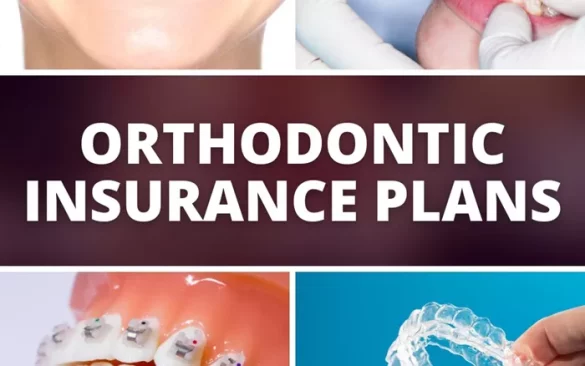
Orthodontic insurance helps cover costs related to correcting teeth and jaw alignment problems. It usually works as part of a dental insurance plan or as a separate coverage. Orthodontic treatments include braces, aligners, and other appliances designed to improve your smile and oral health.
This article will explain what orthodontic insurance covers, what it does not, and important facts to understand before getting treatment. We will also discuss related dental concerns such as gum disease and sensitive teeth, which may affect your orthodontic care.
What Is Orthodontic Insurance?
Orthodontic insurance is a type of dental insurance that helps pay for orthodontic treatments. These treatments mainly focus on straightening teeth and correcting bite issues. The coverage can reduce the financial burden for patients undergoing long-term orthodontic care.
Orthodontic insurance can be part of your regular dental insurance or purchased separately. Some plans cover a percentage of the cost, while others have set dollar limits. Knowing your plan’s details will help you plan your treatment better.
Common Orthodontic Treatments Covered by Insurance
Most orthodontic insurance plans cover the following treatments:
Braces: Traditional metal braces are the most common treatment. Insurance usually covers part of the cost.
Clear Aligners: Treatments like Invisalign may be covered, depending on your plan.
Retainers: After braces, retainers help keep teeth in place and might be partially covered.
Other Appliances: Expanders, headgear, and other devices used to correct jaw or teeth alignment may also be covered.
What Orthodontic Insurance Usually Does Not Cover
Orthodontic insurance often excludes:
Cosmetic Procedures: Treatments done only for appearance without medical need are rarely covered.
Early Treatment in Children: Some plans don’t cover interceptive orthodontics or treatments before a certain age.
Replacement of Lost Appliances: Lost or broken braces or retainers may not be covered.
Orthognathic Surgery: Surgery to correct jaw alignment usually requires medical insurance, not dental insurance.
Limits and Waiting Periods in Orthodontic Insurance
Orthodontic coverage usually comes with limits and waiting periods that you should know:
Lifetime Limits: Many plans set a maximum amount they will pay for orthodontics over a patient’s lifetime, commonly $1,000 to $3,000.
Waiting Periods: Some insurance plans require you to wait 6 to 12 months before coverage begins.
Annual Maximums: Unlike regular dental care, orthodontic coverage typically has lifetime maximums instead of annual limits.
How Orthodontic Insurance Affects Treatment for Sensitive Teeth
Orthodontic treatment can sometimes cause teeth to feel sensitive, especially when braces or aligners apply pressure. If you have sensitive teeth before treatment, talk to your orthodontist and dentist. They might recommend treatments or special products to protect your teeth during the process.
Insurance usually does not cover treatment specifically for sensitive teeth, but your general dental insurance may help with related care such as fluoride treatments or dental cleanings to keep your teeth healthy.
Orthodontic Insurance and Gum Disease
Maintaining healthy gums is crucial during orthodontic treatment. Braces and other appliances can make cleaning teeth more difficult. This can increase the risk of gum disease if proper care is not taken.
Orthodontic insurance does not cover gum disease treatment directly, but your dental insurance might. It is important to have regular dental cleanings and checkups during orthodontic care to prevent gum problems. If you develop gum disease, your dentist may recommend treatments that could be covered separately.
Orthodontic Insurance: Coverage for Children vs. Adults
Coverage can vary for children and adults:
Children: Many plans cover orthodontic treatment for children, especially under age 18. Early treatment coverage depends on the insurer.
Adults: Some insurance plans cover orthodontic treatment for adults, but coverage might be less common or limited.
Check with your insurance provider to know if adult orthodontic treatment is covered under your plan.
How to Use Orthodontic Insurance for Maximum Benefit
Follow these tips to get the most from your orthodontic insurance:
Read Your Policy Carefully: Understand what treatments are covered, limits, and waiting periods.
Get Pre-Approval: Submit treatment plans to your insurer before starting to avoid surprises.
Combine with General Dental Insurance: Use your general dental benefits for cleanings, exams, and gum care during orthodontic treatment.
Ask About Payment Plans: Many orthodontists offer payment plans to cover costs not included in insurance.
Impact of Gum Disease and Sensitive Teeth on Orthodontic Treatment
Gum disease and sensitive teeth can affect how your orthodontist plans treatment. If you have gum inflammation or sensitivity, treatment might need to be delayed until your gums are healthy. Orthodontic appliances can make oral hygiene more challenging, so maintaining gum health is vital.
Insurance coverage for gum disease treatment usually falls under dental insurance, not orthodontic insurance. Keeping your gums healthy during orthodontic treatment will reduce risks and improve results.
FAQs
Does orthodontic insurance cover invisible braces?
Many plans do cover clear aligners like Invisalign, but check your specific policy for details.
Will insurance cover the full cost of braces?
Usually, insurance covers part of the cost. Patients pay the rest out of pocket.
Can orthodontic insurance be used with Medicaid or other government programs?
Some state Medicaid programs include orthodontic coverage for children, but adult coverage is limited.
Conclusion
Orthodontic insurance can make the cost of braces and other orthodontic treatments more affordable. However, it often covers only part of the cost and has limits. It is important to understand your plan’s details, including waiting periods, lifetime maximums, and what treatments are included.
Since orthodontic care often lasts several years, combining orthodontic insurance with general dental insurance can help cover other oral health needs like gum disease treatment and managing sensitive teeth.