


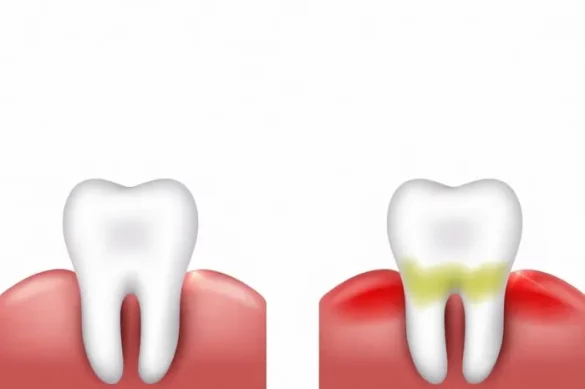
Tartar, also known as dental calculus, is a hardened deposit that forms when plaque on the teeth is not thoroughly cleaned away. Its presence can quietly cause a host of oral health problems, many of which are not immediately noticeable. Understanding what happens if tartar is not removed is essential for anyone who values both their smile and overall wellness.
Understanding Tartar: How It Forms and Why It Matters
Tartar begins as plaque, a soft, invisible layer of bacteria that forms on your teeth throughout the day. Every time you eat or drink sugary or starchy foods, bacteria in the mouth feed on these particles, producing acids. These acids attack tooth enamel and irritate gum tissue. If this plaque is not removed by daily brushing and flossing, it quickly hardens—sometimes in as little as 24 to 72 hours—transforming into tartar.
Once hardened, tartar becomes yellow to brown and bonds firmly to the tooth surface, especially near the gumline and between teeth. At this stage, it cannot be removed at home using a toothbrush or floss. Only a dental professional can detach tartar safely, using specialized instruments during a dental cleaning.
The Direct Impact of Unremoved Tartar on Gum Health
Tartar does not just sit harmlessly on your teeth. The bacteria it harbors continue to thrive and multiply, producing toxins that irritate the gums. This process leads to gingivitis, the earliest stage of gum disease. You may notice your gums becoming red, swollen, and prone to bleeding, especially when brushing or flossing.
If tartar is still not removed, inflammation can worsen. The gums may pull away from the teeth, creating deep pockets. These pockets make it even easier for bacteria and debris to accumulate and harder for you to clean them effectively. Over time, the infection may begin to destroy not just the soft tissues but also the bone supporting your teeth.
Progression to Periodontitis and Advanced Gum Disease
Untreated, the damage from tartar and resulting gingivitis progresses to periodontitis. This is a more serious condition in which the supporting bone and tissue that hold teeth firmly in place are destroyed. The gums recede further, teeth become loose, and eventually, tooth loss may occur.
Advanced periodontitis doesn’t just threaten your smile. The bacteria from severe gum disease can enter the bloodstream, contributing to serious health issues like heart disease, diabetes complications, and respiratory infections.
Additional Oral Health Problems Linked to Tartar Buildup
Tooth Decay (Cavities)
Tartar makes it much harder to keep your teeth clean. The rough surface attracts more plaque and bacteria, raising the risk of cavities. These often develop near the gum line or between teeth where tartar has created hiding places impossible to clean with at-home tools.
Persistent Bad Breath (Halitosis)
The bacteria trapped in and under tartar produce foul-smelling compounds that ordinary brushing or mouthwash cannot simply mask. Persistent bad breath is a common and embarrassing problem for those with tartar buildup.
Tooth Sensitivity and Aesthetic Concerns
As the gums recede from around the teeth due to tartar-induced inflammation, the roots become exposed. This can make teeth highly sensitive to hot, cold, and sweet foods or drinks. Additionally, tartar is often yellow or brown, which can significantly stain your teeth, affecting your appearance and confidence.
Why Home Care Alone Is Not Enough
Regular brushing and flossing are vital, but once tartar has formed, they are no longer enough. Many believe vigorous brushing or special tools can resolve the problem at home. In reality, only dental professionals have the proper instruments and training to safely remove tartar without damaging your enamel or gums.
Ignoring professional cleaning allows tartar to build up further with time. This accelerates the progression of periodontal (gum) disease and makes its treatment much more complex and expensive later on.
Systemic Health Risks from Untreated Tartar
Gum disease is not just a local issue. There is strong scientific evidence showing connections between chronic oral infections and various systemic diseases. For example, bacteria from advanced gum disease can travel from the mouth into the bloodstream, increasing the risk for:
- Heart attack and stroke
- Complications with diabetes
- Respiratory infections
- Adverse pregnancy outcomes
Neglecting tartar removal does not only impact your teeth and gums—it can threaten your broader health as well.
How Quickly Does Tartar Return After Cleaning?
Even after a thorough professional cleaning, plaque begins to form again within hours. With poor oral hygiene, tartar can reappear in less than two weeks, especially in areas that are difficult to clean or neglected during daily brushing and flossing. Consistent oral care and regular dental checkups are critical to delaying its return.
What Are the Signs You Might Have Tartar?
Tartar is often visible as a rough or yellow-brown deposit, usually at the gumline. Other signs that may indicate tartar and related gum problems include:
- Gums that bleed easily during brushing or flossing
- Red, swollen, or tender gums
- Persistent bad breath
- Teeth that appear longer due to receding gums
- Changes in the way your teeth fit together when you bite
If you notice these symptoms, prompt dental evaluation is needed to prevent the issue from getting worse.
Preventive Strategies: Keeping Tartar at Bay
To minimize tartar formation, maintain a strong daily oral hygiene routine:
- Brush twice daily using a soft-bristled or electric toothbrush with fluoride toothpaste
- Floss at least once daily to reach debris between and below teeth
- Use an antibacterial mouthwash as recommended by your dentist
- Limit sugary or starchy snacks that feed plaque-causing bacteria
- Stay well-hydrated and avoid smoking
Regular dental checkups—usually every six months—allow professionals to remove tartar that forms despite your best prevention efforts. These visits are also your chance to get feedback on your home care routine and address any early issues before they become serious.
Conclusion
Tartar might seem like a minor problem, but if not removed, it can cause severe and lasting damage to your oral health. Its progression from unseen buildup to gum disease, tooth loss, and even systemic illnesses makes it an oral health threat that should never be ignored. Consistent home care, routine professional cleanings, and awareness are your best tools to maintain a healthy, beautiful smile for a lifetime.
FAQs
What is the difference between plaque and tartar?
Plaque is a soft, sticky film of bacteria that forms on your teeth daily, while tartar is hardened plaque that can only be removed by a dentist or hygienist.
How soon can tartar form after a dental cleaning?
Tartar can begin developing in as little as 1 to 2 weeks if plaque is not removed effectively.
Can tartar cause tooth loss?
Yes, tartar causes gum inflammation and bone loss, which can eventually lead to tooth loss if untreated.
Is it possible to remove tartar at home?
No. Once formed, tartar is too hard to be removed by brushing or flossing. Professional help is necessary.
How can I prevent tartar from coming back?
Brush and floss consistently, watch your diet, avoid tobacco, and visit your dentist for regular cleanings.