


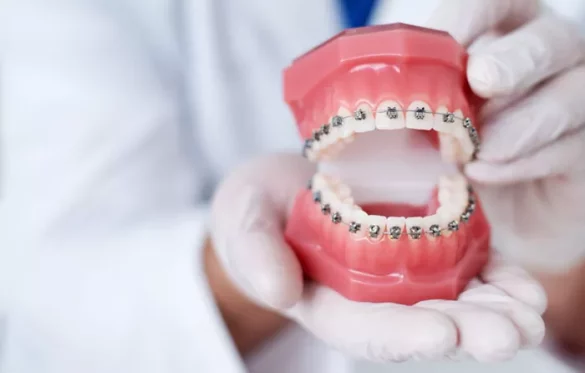
Diamond braces are a popular orthodontic choice for many patients. They are known for their aesthetic appeal, durability, and effectiveness in correcting dental alignment. Unlike traditional metal braces, diamond braces use small, crystal-clear or translucent brackets that resemble diamonds, making them less noticeable.
Choosing diamond braces can improve your smile and oral health by correcting issues like crooked teeth, bite misalignment, and overcrowding. These problems, if untreated, can lead to more serious dental issues such as gum disease and sensitive teeth.
What Are Diamond Braces?
Diamond braces are a type of ceramic braces. They combine the strength of metal braces with the subtlety of clear or tooth-colored brackets. The diamond-shaped brackets provide strong grip on the archwire, making tooth movement precise and efficient.
They are especially preferred by adults and teens who want effective treatment without the obvious look of traditional metal braces.
Common Dental Conditions Related to Braces Treatment
Before we dive into insurance coverage, it is important to understand some dental concerns linked to orthodontic treatments like diamond braces.
Gum Disease: Braces can make oral hygiene more challenging. Food particles may get trapped around brackets and wires, increasing the risk of plaque buildup, which can lead to gum disease if not properly managed.
Sensitive Teeth: During and after orthodontic treatment, some patients experience tooth sensitivity. This can occur due to pressure on teeth or enamel irritation.
Tooth Decay: Inadequate cleaning with braces can lead to cavities under brackets or between teeth.
Enamel Wear: Improper care during braces treatment can sometimes result in enamel damage.
Proper dental care and regular visits to the orthodontist and dentist are essential to prevent these complications.
What Types of Insurance Cover Diamond Braces?
Insurance coverage for diamond braces varies greatly depending on the plan type, provider, and the patient’s age or dental needs. Here are the main types of insurance that may cover diamond braces:
1. Dental Insurance Plans
Most dental insurance plans that include orthodontic benefits may cover diamond braces. However, coverage depends on the following:
Orthodontic Benefit Limits: Many plans have a maximum lifetime benefit limit for orthodontics, often between $1,000 to $3,000.
Coverage Percentage: Typical coverage ranges from 50% to 75% of the orthodontic treatment cost, including diamond braces.
Age Restrictions: Many dental plans only cover orthodontics for patients under 18 years old, although some plans cover adults too.
Pre-authorization: Insurance companies often require prior approval before treatment starts.
Patients should review their specific dental insurance policy or contact their insurer to confirm diamond braces coverage.
2. Health Insurance Plans with Dental Benefits
Some comprehensive health insurance plans include dental coverage, but this is less common. If dental benefits are included, orthodontic coverage may be limited.
It’s important to check whether diamond braces fall under the orthodontic services covered and to what extent sensitive teeth treatment or gum disease prevention related to braces are reimbursed.
3. Medicaid and CHIP (Children’s Health Insurance Program)
For eligible children and teens, Medicaid and CHIP may cover orthodontic treatment including diamond braces if medically necessary. Medical necessity typically means the braces are required to correct serious dental or jaw problems that affect function or health.
Medicaid coverage varies by state, so checking local guidelines is essential. Some states may also offer adult orthodontic benefits under Medicaid in rare cases.
4. Flexible Spending Accounts (FSA) and Health Savings Accounts (HSA)
While these are not insurance plans, FSAs and HSAs allow patients to set aside pre-tax dollars for medical expenses including orthodontic treatment. Diamond braces costs can be paid or reimbursed through these accounts, providing financial relief.
How to Verify If Your Insurance Covers Diamond Braces
To determine insurance coverage for diamond braces, follow these steps:
Review Your Insurance Policy: Look for sections on orthodontic benefits or dental treatment limits.
Contact Your Insurance Provider: Call the customer service number to ask directly about diamond braces coverage.
Ask Your Orthodontist: Many orthodontic offices have experience working with insurance companies and can verify coverage and assist with claims.
Get a Pre-treatment Estimate: Request a detailed cost estimate and insurance pre-authorization to avoid surprises.
Factors Affecting Insurance Coverage for Diamond Braces
Several factors influence whether your insurance will cover diamond braces and how much you will pay out of pocket:
Type of Braces: Some insurance plans cover metal braces fully but limit or exclude ceramic or diamond braces due to higher costs.
Medical Necessity: If braces are needed to correct functional issues like bite problems, insurance is more likely to cover treatment than if braces are purely cosmetic.
Age of Patient: Pediatric coverage is more common; adult orthodontic benefits are limited in many plans.
Plan Maximums and Deductibles: Annual or lifetime maximums and deductibles can impact how much insurance pays.
Common Limitations and Exclusions in Insurance for Diamond Braces
Even if your insurance covers braces, there are often limits and exclusions you should know:
Cosmetic-only braces without medical necessity may not be covered.
Replacement or repair of lost or damaged braces parts might not be covered.
Coverage may exclude advanced or specialized orthodontic procedures.
Some plans require a waiting period before orthodontic benefits begin.
Tips for Getting the Most Out of Your Insurance for Diamond Braces
To maximize your insurance benefits and manage costs effectively, consider the following:
Use In-Network Providers: Insurance often pays more for orthodontists within their network.
Document Medical Necessity: Ask your orthodontist to provide detailed documentation if treatment is medically necessary.
Plan Treatment Timing: Coordinate treatment start dates with insurance benefit periods to maximize coverage.
Maintain Excellent Oral Hygiene: Prevent gum disease and tooth sensitivity to avoid additional treatment costs.
Keep All Receipts and Records: This helps with claims and possible reimbursements.
Alternatives if Your Insurance Does Not Cover Diamond Braces
If your insurance does not cover diamond braces, or only covers part of the cost, there are options to consider:
Payment Plans: Many orthodontic offices offer monthly payment plans to spread out costs.
Dental Financing Companies: Specialized loans or credit for orthodontic treatment.
Other Types of Braces: Metal braces or clear aligners might be less expensive and better covered by insurance.
Health Savings Accounts (HSA) and Flexible Spending Accounts (FSA): Use pre-tax dollars to pay for treatment.
Conclusion
Diamond braces offer an excellent combination of aesthetics and effective orthodontic treatment. However, insurance coverage can be complex and varies widely. Patients should carefully review their dental and health insurance plans, seek professional advice from their orthodontist, and maintain excellent oral hygiene to manage issues like gum disease and sensitive teeth.