

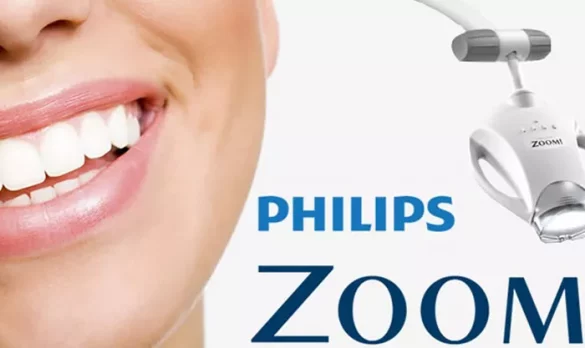
Zoom whitening is a professional teeth whitening procedure that uses a hydrogen peroxide-based gel and LED light to brighten the teeth. It is widely available in dental offices and can produce significant whitening in just one session.
However, while Zoom whitening is effective, it may not be the best choice for everyone—especially for those with sensitive teeth or existing gum disease.
Why Seek Alternatives to Zoom Whitening?
Although Zoom whitening delivers fast results, it comes with certain downsides. These include potential tooth sensitivity, higher costs, and short-term results. Some individuals may also develop discomfort during or after treatment, particularly if they already have dental sensitivity or exposed dentin. For patients looking for less invasive, longer-lasting, or more comfortable options, other whitening solutions may be more suitable.
What Is Better Than Zoom Whitening?
1. Laser Teeth Whitening: A Technological Upgrade
How Laser Whitening Works
Laser teeth whitening uses a laser beam to activate a whitening agent applied to the teeth. The laser enhances the effectiveness of the bleaching compound, offering superior results compared to traditional methods like Zoom.
Benefits of Laser Whitening
- Faster and more dramatic results
- More targeted application with less gum irritation
- Ideal for patients with time constraints
Drawbacks of Laser Whitening
- Cost can be higher than Zoom whitening
- May not be suitable for those with active gum disease
- Requires expert handling due to precision tools
2. Custom Take-Home Whitening Trays: Tailored for Comfort
Why Custom Trays Are Effective
Custom whitening trays are designed from molds of your teeth. Dentists provide a professional-grade whitening gel to be used with these trays at home. This method ensures even whitening while reducing gum exposure and irritation.
Advantages Over Zoom Whitening
- Reduced tooth and gum sensitivity
- Gradual and natural-looking results
- Lower cost over time due to refillable gel
- Can be used for maintenance after in-office treatments
3. KöR Whitening: A Deep Bleaching Solution
What Makes KöR Unique?
KöR Whitening uses refrigerated whitening gels and a multi-step process that includes both in-office and at-home phases. It is known for addressing deeply stained teeth, such as those affected by tetracycline stains, which are resistant to conventional whitening methods.
KöR vs. Zoom Whitening
- Superior at removing intrinsic stains
- More permanent results
- Less post-treatment sensitivity due to desensitizing agents
Limitations of KöR Whitening
- Involves multiple sessions and daily at-home treatments
- Requires high compliance for maximum benefit
4. Opalescence Boost: Chemically Activated Whitening
How Opalescence Boost Works
This professional whitening option uses a chemically activated formula that does not require light. It includes potassium nitrate and fluoride to minimize sensitive teeth and promote enamel health.
Why It May Be Better Than Zoom
- No LED light required, reducing heat-related sensitivity
- Ideal for patients with mild to moderate discoloration
- Contains enamel-strengthening agents
5. Natural and Holistic Whitening Options
Hydrogen Peroxide and Baking Soda
While not as potent as professional treatments, regular use of diluted hydrogen peroxide or baking soda can lighten teeth over time without harsh chemicals or heat exposure.
Activated Charcoal
Activated charcoal is touted as a natural stain remover. Though evidence is mixed, some patients find it useful for removing surface stains when used cautiously.
Drawbacks of Natural Methods
- Slower and less predictable results
- Risk of enamel abrasion if overused
- Not suitable for deeper or intrinsic stains
6. Veneers: A Long-Term Whitening Alternative
What Are Veneers?
Dental veneers are thin shells made of porcelain or composite that cover the front surfaces of teeth. They are a cosmetic solution for discoloration, shape issues, and even minor misalignment.
Why Veneers Are Considered Better by Some
- Permanent and customizable
- Correct color, shape, and spacing simultaneously
- No need for repeated whitening sessions
Considerations
- Invasive and irreversible
- More expensive than most whitening treatments
7. Internal Bleaching for Root-Filled Teeth
What Is Internal Whitening?
When a tooth darkens due to root canal treatment, internal bleaching is used. A whitening agent is placed inside the tooth and sealed temporarily.
Effectiveness
- Restores color from the inside out
- More effective for non-vital tooth discoloration than Zoom
8. Whitening and Dental Health: A Delicate Balance
Gum Disease and Whitening
Patients with gum disease should avoid aggressive whitening procedures like Zoom until their gum condition is under control. Whitening can exacerbate irritation and worsen gingivitis or periodontitis.
Sensitive Teeth and Whitening
Individuals with sensitive teeth are often advised to use lower-concentration gels or opt for slower whitening methods to minimize discomfort. Custom trays or fluoride-based whitening systems are preferable in such cases.
9. How to Choose the Best Whitening Option for You
Consult Your Dentist
Before selecting a whitening method, consult your dentist. They will assess your dental history, current oral health, and aesthetic goals. The presence of cavities, enamel erosion, or previous restorations may influence the best choice for you.
Evaluate Cost vs. Benefit
While some methods may be costlier upfront, they offer longer-lasting results and fewer side effects, making them a better value over time.
Consider Maintenance Needs
Most whitening methods require follow-up care. Use desensitizing toothpaste, avoid staining foods and beverages, and follow up with occasional touch-ups to preserve your results.
Conclusion
While Zoom whitening remains a popular method for brightening teeth quickly, it’s not the only or necessarily the best solution for everyone. Depending on your dental health, lifestyle, and preferences, other options such as laser whitening, custom trays, KöR, and even veneers might offer better long-term results with fewer side effects.
Whether you’re managing sensitive teeth or trying to prevent complications from gum disease, choosing the right whitening approach is key to achieving a healthier, brighter smile. Talk to your dentist to explore the most effective and personalized options available.
