


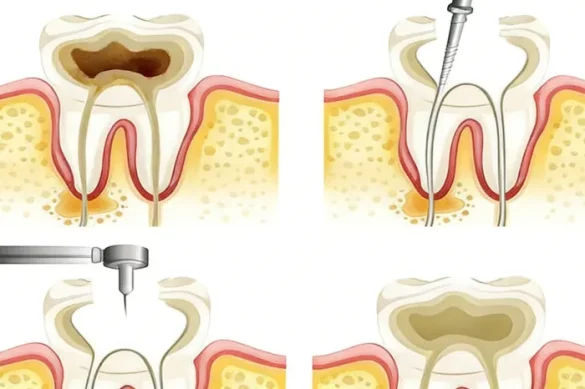
pulp therapy in pediatric dentistry is a crucial treatment that helps protect and preserve a child’s teeth when the dental pulp becomes damaged. dental pulp is the soft tissue located at the center of each tooth, containing nerves, blood vessels, and connective tissue. When this area is affected by decay or injury, children may experience significant pain, which often requires intervention by a pediatric dentist. The main goal of pulp therapy is to restore the health of the tooth, maintain its function, and prevent premature tooth loss.
Understanding dental pulp and Its Role
The pulp plays an essential role in tooth development and health. It provides nutrients and oxygen to the tooth and allows for sensation, including response to hot, cold, and pressure. In primary (baby) teeth, the pulp also helps guide the growth and spacing of permanent teeth. Therefore, protecting the pulp is necessary for healthy dental growth.
Causes of Pulp Damage in Children
Pulp damage in children most often occurs due to tooth decay, which develops when cavities penetrate deep into the tooth. Another common cause is traumatic injury, such as falls or accidents, which can expose the pulp and lead to inflammation or infection. Children are particularly vulnerable because their oral hygiene habits and diet may make them prone to dental caries.
Signs and Symptoms of Pulp Injury
Damaged dental pulp can cause persistent and sometimes severe pain. Parents should watch for the following signs, which may indicate a need for pulp therapy:
Signs Include
- Constant, unexplained tooth pain
- Nighttime tooth pain or sensitivity
- Sensitivity to temperature changes (hot or cold food)
- Swelling or redness around the tooth
- Unexpected looseness or movement of the tooth
- Pain on touching the tooth
- Disturbed sleep due to pain
- Fever or facial swelling in severe cases
If any of these symptoms appear, it is important to consult a pediatric dentist as soon as possible. Prompt treatment can save the affected tooth and prevent further complications.
Importance of Saving Primary Teeth
Although baby teeth will eventually fall out, they serve important functions beyond just helping a child chew food. They aid in speech development, maintain proper space for permanent teeth, and guide the growth and alignment of new teeth. Premature loss of baby teeth can lead to misalignment, crowding, and problems with eating or speaking. Therefore, pulp therapy helps prevent these future issues by restoring the damaged tooth whenever possible.
Types of Pediatric Pulp Therapy
Pediatric pulp therapy includes several treatment options depending on the extent of damage to the dental pulp. The two most common procedures are pulpotomy and pulpectomy.
What Is a pulpotomy?
A pulpotomy is typically performed when only the top part of the pulp (located in the crown of the tooth) is affected, while the pulp in the roots remains healthy. The procedure involves removing the infected or inflamed pulp tissue from the crown, disinfecting the area, and placing a therapeutic, biocompatible material to prevent further infection. Afterward, the dentist usually places a dental crown over the tooth. This strengthens the tooth, protects it from future damage, and restores normal function.
Key Features of pulpotomy:
- Recommended when root pulp remains healthy
- Safely removes damaged pulp from the crown only
- biocompatible material soothes and protects the remaining pulp
- Often finished with a crown to reinforce the tooth
- Can be performed on both baby and permanent teeth
What Is a pulpectomy?
pulpectomy is required when the entire pulp, including the tissue in the roots, is infected or necrotic (dead). This procedure is more extensive. The dentist removes all pulp tissue from both the crown and roots, thoroughly cleans and disinfects the root canals, and fills the empty space with a material safe for children. A crown is then placed to protect and strengthen the tooth.
Key Features of pulpectomy:
- Necessary when damage has reached the root canals
- All pulp tissue is removed
- root canals are cleaned and disinfected
- Filled with biocompatible material (reabsorbable for baby teeth, non-reabsorbable for permanent teeth)
- Finished with a dental crown
The Pulp Therapy Procedure: Step by Step
- Assessment: The pediatric dentist begins with a visual examination and may use X-rays to determine the extent of pulp damage.
- Diagnosis: Based on the damage, the dentist will decide whether pulpotomy or pulpectomy is needed.
- Preparation: The area is numbed so the child remains comfortable during the procedure. The dentist explains the steps to the patient and parents, addressing any concerns.
- Treatment: Damaged pulp tissue is carefully removed. For pulpotomy, only the crown portion is removed; for pulpectomy, the crown and root are cleared.
- Filling: A special material is used to fill the space in the tooth, preventing bacteria from entering and calming the tissue.
- Crown Placement: In most cases, a crown is placed on the treated tooth to provide strength and stability.
- Recovery: Most children return to normal activity quickly. Good oral hygiene and regular dental check-ups are essential afterward.
Safety and Benefits of Pediatric Pulp Therapy
Pulp therapy is a safe and well-established treatment, performed routinely in pediatric dental practices. The procedures are designed to minimize discomfort for the child and to save the affected tooth whenever possible. By restoring function and maintaining the tooth’s place in the mouth, pulp therapy supports healthy jaw and tooth development and helps prevent the need for more extensive dental interventions.
Preparing Your Child for Pulp Therapy
If your pediatric dentist recommends pulp therapy for your child, preparation involves explaining the procedure in simple, reassuring terms. Let your child know why the treatment is needed and that it will alleviate their pain. Many dentists use special techniques to reduce anxiety, such as gentle reinforcement and clear communication. Children benefit from understanding that the procedure is routine, takes less than an hour, and that any discomfort will be well managed.
Conclusion
pulp therapy in pediatric dentistry is an essential treatment for saving damaged baby and adult teeth and ensuring proper oral development in children. By addressing pain and infection early, pulp therapy prevents premature tooth loss and long-term dental complications. Parents should look for signs of pulp injury and seek professional help promptly to protect their child’s dental health. With the right care and guidance, pulp therapy restores full function and preserves the child’s natural smile.
Frequently Asked Questions
What is the main goal of pulp therapy in children?
The primary goal is to treat inflammation or infection in the tooth pulp, restore its function, and prevent premature tooth loss.
How do I know if my child needs pulp therapy?
If your child is experiencing constant tooth pain, sensitivity, swelling, or unexplained looseness in a tooth, consult a pediatric dentist.
Is pulp therapy safe for children?
Yes. Pulp therapy is a widely practiced, safe procedure designed specifically to protect and restore children’s teeth.
What happens after pulp therapy?
Most treated teeth receive a crown for protection. Children should maintain good oral hygiene and attend regular check-ups.
Can baby teeth be saved with pulp therapy?
Yes. Saving baby teeth ensures proper speech, chewing, and alignment for permanent teeth.