


Dentistry is built upon principles that guide professionals and patients toward healthier, more attractive smiles. One foundational idea often discussed is the “golden rule of dentistry”—a concept that blends ethical care and scientific precision. Understanding this rule is essential for anyone seeking excellent dental health, especially within the field of pediatric dentistry, where lifelong habits start.
Defining the Golden Rule of Dentistry
The golden rule of dentistry holds two primary meanings. First, it refers to the moral obligation of treating every patient with kindness, empathy, and respect—”treat others as you wish to be treated.” Second, it describes the application of the golden proportion (also called the golden ratio or divine proportion) in creating harmonious and attractive smiles. These two aspects together form the backbone of good dental practice.
The Ethical Foundation: Patient-Centered Care
Dentists are healthcare providers who work very closely with their patients. The golden rule suggests that dentists should always strive to provide care that they would want for their own family. This includes listening carefully, explaining treatment options, and making patients feel safe and comfortable.
In pediatric dentistry, building trust is especially important. Children often feel anxious about dental visits. By showing warmth and respect, dentists help reduce fear and establish a positive attitude toward oral health that can last a lifetime.
The Golden Proportion: Science Behind Aesthetic Harmony
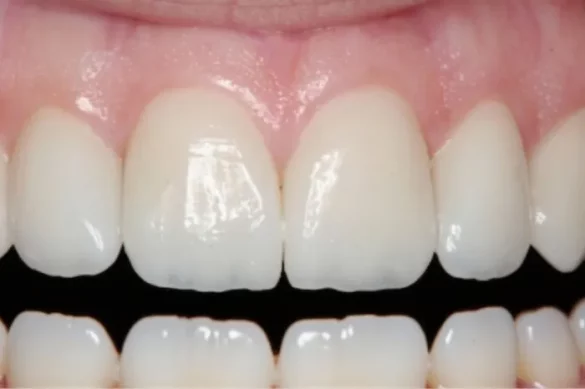
Beyond ethics, the golden rule in dentistry also stands for achieving facial and dental symmetry. Many cosmetic and restorative dentists use the golden proportion—a mathematical ratio found in nature and art—to create smiles that look attractive and natural.
Facial Composition and Tooth Dimensions
The golden proportion is used to analyze facial features. A common method looks at how the central teeth line up with the rest of the face. Dentists use ratios of length and width to guide treatment plans. Often, the central teeth have a length ratio of 4:5 compared to neighboring teeth, and their visible width should be around 75–80% of their length. Precise proportion helps dental professionals create a smile that fits the patient’s face.
Balance and Symmetry in Dentistry
Dental balance refers to how teeth line up and relate to one another. There are two ways to approach balance: static and dynamic symmetry. Static symmetry means two sides of the smile are mirror images. Dynamic symmetry—”perfect imperfection”—reflects real human smiles, which are similar but not identical on both sides. This method is often preferred, as it gives a natural look.
Dentists consider several personal factors before making changes:
- Age: Younger patients tend to have longer, whiter teeth; older patients often have shorter, slightly darker teeth.
- Gender: Males usually have teeth with sharper angles, while females have softer, rounder edges.
- Personality: Some people may want bolder characteristics, like more pointed canines for an assertive look.
Building Healthy Habits: Prevention Is Key
The golden rule of dentistry goes beyond the dental office. It encourages patients to participate actively in their oral health. A strong foundation includes daily habits and regular professional care.
Brushing Techniques and Daily Care
Proper brushing is fundamental. Dentists recommend using a soft toothbrush, placed at a 45-degree angle against the gumline. Short, gentle circles help clean teeth without causing damage. It is important to brush all surfaces—including back molars and the tongue.
Flossing is equally important. It removes food and plaque from between teeth, where brushes cannot reach. Flossing once a day helps prevent cavities and gum disease.
The Role of Diet and Hydration
A healthy mouth requires more than cleaning. Diet plays a role. Drinking plenty of water increases saliva flow, which protects teeth from decay. Incorporating healthy foods and limiting sugary snacks also supports strong teeth and gums. Interestingly, rinsing with green tea can help fight oral bacteria, thanks to its natural antioxidants.
Regular Check-Ups: The Power of Prevention
Preventive care is a crucial part of the golden rule. Dentists encourage patients to visit at least twice a year. These appointments allow professionals to detect early signs of disease, provide guidance, and address issues promptly. Catching problems early means simpler, less costly treatments.
Pediatric dentistry places special emphasis on regular check-ups. Early visits build confidence in children, help guide tooth development, and enable parents to support best practices at home.
The Importance for Pediatric Dentistry
For children, the golden rule is not just about aesthetics or hygiene. It is about creating positive experiences, teaching healthy routines, and fostering long-term trust in healthcare providers. Pediatric dentists are trained to manage fears, educate families, and use gentle techniques that set young patients on a path to lifelong dental wellness.
Conclusion
The golden rule of dentistry has both ethical and scientific sides. It tells dentists to treat every patient with respect and to use proven principles of symmetry and proportion for natural, beautiful smiles. For families and individuals, understanding and following these rules brings better oral health, confidence, and satisfaction. When applied in pediatric dentistry, the golden rule builds strong habits from an early age, ensuring healthy smiles for life. Empathy, balance, and prevention are the keys to dental success.
FAQs
What does the golden rule mean in dentistry?
It means treating patients with respect, kindness, and applying scientific principles like symmetry and proportion to achieve healthy, attractive smiles.
How does the golden proportion influence dental treatments?
Dentists use mathematical ratios to guide tooth size, alignment, and placement, ensuring a natural and pleasing appearance.
Why is preventive care important in dentistry?
Regular brushing, flossing, and professional check-ups help prevent disease and keep teeth strong, reducing the need for complex treatments.
Is the golden rule of dentistry different for children?
In pediatric dentistry, the rule includes building trust, teaching good habits, and creating a safe, positive environment for young patients.
How often should I see a dentist?
Most people should see a dentist twice a year, but children and those with specific needs may require more frequent visits.