

Dental implants have become one of the most popular solutions for replacing missing teeth. They offer a strong, durable, and natural-looking alternative to dentures or bridges. However, one common question many patients ask is: What is the most expensive part of a dental implant? Understanding the cost breakdown helps patients make informed decisions and prepare for treatment.
In this article, we will explain the key components of dental implants, why some parts are more expensive than others, and how related dental issues like gum disease and sensitive teeth might affect the treatment cost.
Basic Structure of a Dental Implant
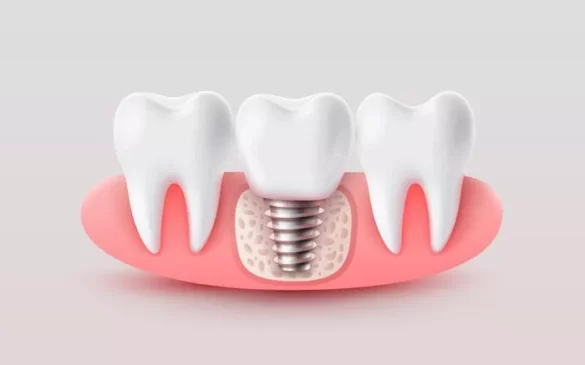
A dental implant is made up of three main parts:
1. The Implant Fixture
This is a small titanium screw that is surgically placed into the jawbone. It acts as the root of the new tooth and provides stability for the entire implant.
2. The Abutment
The abutment is a connector that joins the implant fixture to the visible tooth restoration (crown). It is attached after the implant has properly integrated with the jawbone.
3. The Crown
The crown is the artificial tooth placed on top of the abutment. It is custom-made to match the color, shape, and size of your natural teeth.
Which Part of a Dental Implant Is the Most Expensive?
The Implant Fixture: The Core and Costliest Part
The implant fixture is generally the most expensive part of a dental implant. This is because it involves the use of high-quality titanium or titanium alloys, which are biocompatible and strong enough to fuse with your jawbone through a process called osseointegration. The fixture is surgically implanted into the bone, requiring skill and precision.
Costs for the implant fixture itself can range from a few hundred to over a thousand dollars depending on the brand, material quality, and technology used. Some premium implants have advanced surface treatments to promote faster healing and better bone integration, which adds to the price.
Why the Implant Fixture Costs More Than Other Parts
Several factors make the implant fixture the most expensive component:
Material Quality: Titanium and titanium alloys are costly, but essential for durability and biocompatibility.
Precision Manufacturing: The implant must be perfectly shaped and sterile to prevent infection and ensure success.
Surgical Expertise: The placement of the implant fixture requires an experienced dental surgeon, adding to the overall cost.
Technology and Brand: Leading implant brands invest in research and development, increasing price but improving outcomes.
Cost of the Abutment and Crown Compared to the Implant Fixture
The Abutment: Moderate Cost
The abutment is usually less expensive than the implant fixture but still contributes significantly to the total cost. It is often made from titanium, zirconia, or gold. The choice depends on strength and aesthetic needs.
While abutments may cost a few hundred dollars, their price can increase if a custom design is needed, especially for patients with sensitive teeth or specific bite requirements.
The Crown: Cost Depends on Material and Design
The crown is the visible part and can vary in cost widely depending on the material. Porcelain crowns are popular for their natural appearance but tend to cost more than metal or composite crowns.
Since crowns need to match the patient’s natural teeth color and withstand chewing forces, their fabrication requires dental lab work, which adds to the expense. However, crowns typically cost less than the implant fixture but can sometimes equal or exceed the abutment cost depending on the materials.
Other Factors Affecting Dental Implant Costs
Bone Grafting and Sinus Lifts
If a patient has gum disease or jawbone loss, additional procedures such as bone grafting or sinus lifts may be necessary before implant placement. These procedures help rebuild bone and support the implant but add significantly to the overall cost.
Diagnostic Tests and Imaging
Dental implants require detailed imaging like X-rays or 3D cone-beam CT scans. These tests help assess bone density and anatomy to plan safe implant placement.
Though less costly than the implant fixture, diagnostic procedures add to the total cost but are essential for successful results.
Lab and Laboratory Fees
The dental lab fabricates the crown and sometimes the abutment. Skilled lab technicians ensure a perfect fit and natural look, influencing final costs.
Surgeon and Dentist Fees
The skill and experience of your dental surgeon or implant specialist impact the price. More experienced professionals may charge more but provide safer and more predictable outcomes.
How Gum Disease and Sensitive Teeth Influence Implant Costs
Gum Disease Raises Complexity and Cost
Active gum disease can weaken the bone and gums around the implant site. If untreated, it may lead to implant failure. Therefore, patients with gum disease often need treatment before implant surgery, which adds to overall cost and time.
Sensitive Teeth and Implant Planning
Patients with sensitive teeth or thin enamel may require customized implant components or additional protective treatments. This personalization can increase costs but is important for comfort and long-term success.
Conclusion
In summary, the implant fixture is the most expensive part of a dental implant. Its material quality, manufacturing process, and the surgical procedure required drive the price higher than other parts like the abutment or crown.
Additional factors such as gum disease, sensitive teeth, bone health, and extra procedures can also increase the total cost. It is essential to work with your dental professional to evaluate all these factors before proceeding. Understanding the cost structure helps you budget properly and make informed choices about your dental health and smile restoration.
