


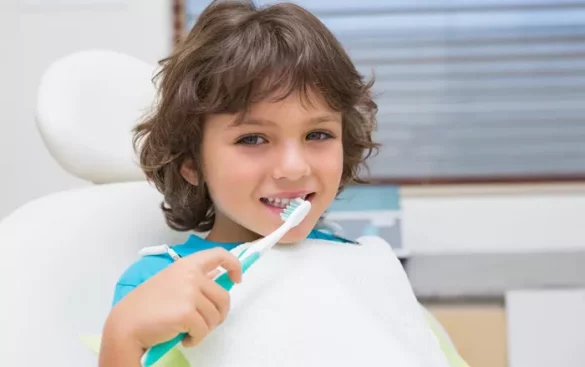
Dental care is a lifelong process. It does not begin in adulthood. It does not even begin in school age. Dental care starts much earlier. Many parents are unsure about the right time to focus on a child’s oral health. Some believe care begins when all baby teeth appear. Others think it starts when permanent teeth erupt. Both ideas are incomplete. Professional dental guidance shows a much earlier starting point.
This article explains the recommended age for a child to begin dental care. It explores scientific evidence. It follows professional dental guidelines. It focuses on prevention. It provides practical advice for parents and caregivers. The goal is clear. Every child deserves a healthy mouth from the very beginning.
Why Early Dental Care Matters
Early dental care protects more than teeth. It supports speech development. It supports nutrition. It supports overall health. Oral disease can affect the entire body. Cavities cause pain. Infections can spread. Poor oral health can affect sleep and learning.
Baby teeth are not temporary placeholders only. They guide permanent teeth. They support jaw growth. They help children chew properly. They help children speak clearly. When baby teeth are damaged early, long-term problems can follow.
Dental decay is common in children. It is one of the most common chronic childhood diseases. Yet it is largely preventable. Prevention begins early. Prevention requires timing. That timing starts sooner than many expect.
Professional Recommendations on Starting Age
Most professional dental organizations agree on one key point. A child should begin dental care by the first birthday. Some recommend even earlier. The American Academy of Pediatric Dentistry advises a dental visit within six months of the first tooth erupting. This usually happens around six months of age.
The World Health Organization emphasizes early prevention. National dental associations around the world support infant oral health programs. These guidelines are based on evidence. Early visits reduce the risk of early childhood caries. They also help parents learn proper care techniques.
The recommended age is not arbitrary. It reflects biological development. Teeth erupt early. Bacteria colonize early. Habits form early. Dental care must match this timeline.
Dental Care Before The First Tooth
Dental care starts even before teeth appear. The mouth still needs attention. Gums can harbor bacteria. Feeding habits influence oral health. Cleaning the mouth is important from birth.
Parents can gently wipe the baby’s gums. Use a clean, damp cloth. Do this after feeding. This removes milk residue. It reduces bacterial buildup. It also helps the baby adapt to oral care routines.
Pacifier use matters. Bottle feeding habits matter. Allowing a baby to sleep with a bottle increases risk. Sugary liquids promote decay. Early guidance helps parents avoid harmful practices.
The Eruption of The First Tooth
The first tooth usually erupts around six months of age. This is a key milestone. Oral care must intensify at this stage. A soft-bristled infant toothbrush should be introduced. Only a smear of fluoride toothpaste is needed.
Fluoride strengthens enamel. It prevents decay. When used correctly, it is safe. Parents should supervise brushing. Swallowing toothpaste should be minimized.
Teething discomfort is common. Parents may use chilled teething rings. They should avoid sugary gels. They should avoid unapproved remedies. A dentist can provide safe guidance.
The First Dental Visit: Timing And Purpose
The first dental visit should occur by age one. This visit is not just about treatment. It is mainly educational. It establishes a dental home. A dental home is an ongoing relationship with a dentist.
During this visit, the dentist examines the mouth. The dentist checks tooth development. The dentist looks for early signs of decay. The dentist assesses bite alignment.
Parents receive counseling. They learn brushing techniques. They learn about fluoride. They learn about diet. They learn injury prevention. This visit builds trust. It reduces fear later in life.
Understanding Early Childhood Caries
Early childhood caries is a severe form of tooth decay. It affects infants and toddlers. It can progress rapidly. It often affects the upper front teeth first.
This condition is linked to feeding habits. Frequent sugar exposure is a major factor. Prolonged bottle use increases risk. Nighttime feeding without cleaning increases risk.
Early dental care identifies risk factors. Dentists can intervene early. Preventive measures can stop progression. Without early care, treatment becomes complex. Sometimes it requires anesthesia.
The Role of Parents And Caregivers
Parents play the central role in early dental care. Children cannot manage oral hygiene alone. Parents control diet. Parents control routines. Parents model behavior.
Brushing should occur twice daily. Parents should brush for the child. This continues until fine motor skills develop. Usually this is around age seven or eight.
Dietary choices matter. Sugary snacks should be limited. Sticky foods increase risk. Water should be encouraged. Juice should be limited. Milk should not be given at bedtime without cleaning.
Fluoride Use in Young Children
Fluoride is a cornerstone of preventive dentistry. It strengthens enamel. It reverses early decay. Professional guidelines support fluoride use from the eruption of the first tooth.
The amount matters. For children under three, a smear is enough. For children aged three to six, a pea-sized amount is recommended. Supervision is essential.
Community water fluoridation also plays a role. It reduces decay rates significantly. Dentists may recommend supplements if water is not fluoridated. This decision is individualized.
Frequency of Dental Visits in Early Childhood
After the first visit, regular checkups are important. Most children benefit from visits every six months. Some children need more frequent visits. This depends on risk level.
High-risk children may need additional preventive treatments. These include fluoride varnish. They may also need sealants later. Early monitoring supports timely intervention.
Consistency builds comfort. Children who visit regularly show less anxiety. They develop positive attitudes toward dental care.
Dental care during the toddler years
Toddlerhood brings new challenges. Children assert independence. They resist brushing. Parents must remain consistent.
Positive reinforcement helps. Making brushing fun helps. Singing songs helps. Using age-appropriate toothbrushes helps.
Dental visits continue to focus on prevention. Dentists monitor growth. They guide parents on habits like thumb sucking. Prolonged habits can affect bite development.
Preschool age and expanding responsibilities
Preschool children begin to understand routines. They can participate in brushing. They still need supervision. Parents should assist and finish brushing.
Dietary exposure increases at this age. Children attend school. Snacks become frequent. Education becomes crucial.
Dentists may apply sealants on primary molars. Sealants protect grooves from decay. They are safe and effective.
The transition to school age dental care
School age marks the eruption of permanent teeth. The first permanent molars appear around age six. These teeth are vulnerable. They erupt behind baby teeth.
Parents may not notice them. They require special attention. Sealants are strongly recommended.
Orthodontic evaluations may begin. Dentists monitor spacing. They watch jaw growth. Early referrals prevent future complications.
Common myths about starting dental care
Many myths persist. One myth says baby teeth do not matter. This is false. Another myth says dental visits should wait until pain occurs. This leads to emergencies.
Some believe children cannot cooperate early. Pediatric dentists are trained for this. Early visits are gentle. They are brief. They are educational.
Another myth involves fluoride safety. Scientific evidence supports appropriate fluoride use. Benefits outweigh risks when guidelines are followed.
The role of pediatric dentists
Pediatric dentists specialize in children’s oral health. They receive additional training. They understand child development. They manage behavior effectively.
They design child-friendly environments. They use age-appropriate language. They focus on prevention.
While general dentists can provide care, pediatric dentists are ideal for infants and young children. Especially those with special needs.
Dental care for children with special healthcare needs
Some children require extra attention. Medical conditions can affect oral health. Medications may reduce saliva. Developmental delays may affect hygiene.
Early dental care is even more important for these children. Dentists collaborate with physicians. They adapt care plans.
Parents receive tailored advice. This supports safety. This supports comfort. This supports long-term health.
Preventing dental trauma in early years
Injuries are common in young children. Falls happen. Accidents happen. Dental trauma can damage teeth and jaws.
Parents can reduce risk. Childproofing the home helps. Using car seats helps. Supervising play helps.
Early dental visits include injury prevention counseling. Parents learn what to do in emergencies. Quick action saves teeth.
Building lifelong oral health habits
Habits formed early often last a lifetime. Children who learn brushing early continue as adults. Children who fear dentists avoid care later.
Early positive experiences shape attitudes. Dental care becomes normal. Dental visits become routine.
This long-term benefit is one of the strongest arguments for early dental care.
Global perspectives on early dental care
Different countries share similar guidelines. Many promote the first visit by age one. Public health programs support early prevention.
In some regions, access remains limited. Education remains key. Community programs help bridge gaps.
Global evidence shows early care reduces costs. Prevention is more affordable than treatment.
When parents should seek dental advice sooner
Some signs require immediate attention. White spots on teeth indicate early decay. Brown spots indicate progression. Bleeding gums indicate inflammation.
Delayed tooth eruption may require evaluation. Trauma requires urgent care. Pain should never be ignored.
Parents should trust their instincts. Early consultation prevents complications.
Practical steps parents can take today
Parents can act immediately. Clean the baby’s mouth daily. Introduce brushing with the first tooth. Use fluoride toothpaste correctly.
Schedule the first dental visit by age one. Choose a child-friendly dental office. Ask questions.
Limit sugary snacks. Avoid bedtime bottles. Encourage water.
The long-term impact of starting dental care early
Children who start early experience fewer cavities. They need fewer invasive treatments. They develop healthier habits.
They also experience better overall health. Oral health is linked to systemic health. Inflammation affects the body.
Early dental care is an investment. It pays dividends throughout life.
Conclusion
The recommended age for a child to begin dental care is earlier than many expect. Care begins at birth. The first dental visit should occur by age one or within six months of the first tooth. This recommendation is evidence-based. It reflects biological reality. It supports prevention. It empowers parents. Early dental care protects smiles. It protects health. It builds confidence. Every child deserves this strong start.