

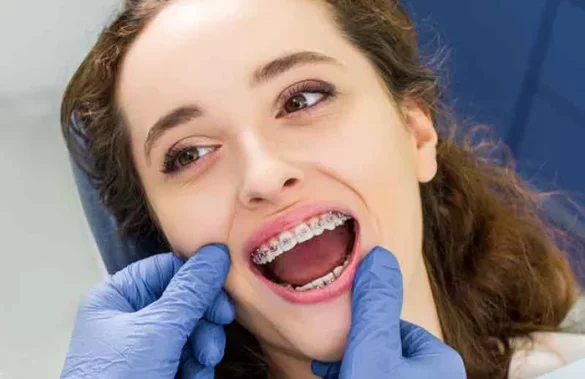
Braces are a common orthodontic solution used to correct misaligned teeth, improve bite, and enhance overall oral health. Many patients ask, “What is the shortest amount of time to wear braces?” The duration depends on individual dental conditions, age, and treatment goals. While some cases may see results in months, most require a more extended period for effective and safe alignment. Understanding the factors that affect treatment duration can help patients plan better and maintain healthy gums and avoid sensitive teeth.
Factors Influencing the Duration of Braces
1. Severity of Dental Misalignment
The complexity of teeth misalignment plays a significant role in treatment duration. Minor crowding or gaps may only require a few months to correct, while severe malocclusion, overbites, or crossbites typically need longer treatment. An orthodontist evaluates each case using X-rays and dental impressions to estimate how quickly teeth can move safely without causing damage to enamel or supporting structures.
2. Type of Braces Used
Different braces types can influence treatment time. Traditional metal braces are highly effective and precise. Clear ceramic braces provide aesthetic benefits but may require slightly longer treatment. Clear aligners like Invisalign can offer shorter treatment times in minor cases but rely heavily on patient compliance. The choice of braces is critical in determining the shortest safe duration for treatment.
3. Age and Bone Health
Age significantly affects orthodontic treatment. Children and teenagers often experience faster teeth movement due to ongoing bone growth, allowing for shorter treatment periods. Adults may need longer because bones are denser and less adaptable. Maintaining good oral health is essential, as gum disease can slow down treatment and increase discomfort.
4. Compliance with Orthodontist Instructions
Following an orthodontist’s guidance is crucial for achieving the shortest treatment duration. This includes attending regular appointments, wearing elastics or appliances as directed, and maintaining proper oral hygiene. Poor compliance can extend treatment, increase the risk of gum disease, and exacerbate sensitive teeth issues.
What Is the Shortest Amount of Time to Wear Braces
1. Minor Misalignments
Cases with minor crowding or gaps may require as little as 6 to 12 months of treatment. This is considered the shortest time frame for braces to achieve noticeable results. Using advanced techniques and clear aligners can further optimize the duration, provided patients strictly adhere to instructions and maintain proper oral care.
2. Moderate Misalignments
For moderate misalignments or bite issues, treatment typically ranges from 12 to 24 months. Even in these cases, accelerated orthodontic techniques, such as temporary anchorage devices (TADs) or accelerated braces, can reduce treatment duration. However, these methods require careful monitoring to avoid complications such as gum disease or enamel damage.
3. Severe Misalignments
Severe cases involving complex bite corrections often take 24 to 36 months. Attempting to shorten treatment beyond recommended limits can result in tooth instability, relapse, or root resorption. Orthodontists emphasize that patient safety and long-term oral health are more important than achieving rapid results.
Accelerating Braces Treatment Safely
1. Orthodontic Devices for Speeding Up Movement
Various devices and techniques can help reduce treatment time safely. These include accelerated orthodontic tools, like micro-osteoperforations, which stimulate bone remodeling and enhance tooth movement. While effective, these methods must be applied under professional supervision to avoid complications such as gum disease or tooth sensitivity.
2. Maintaining Oral Hygiene
Oral hygiene plays a pivotal role in shortening treatment. Braces increase plaque accumulation, which can lead to gum disease and enamel demineralization. Patients must brush after meals, floss daily, and use antiseptic mouthwashes to maintain healthy gums and prevent sensitive teeth. Poor oral hygiene can significantly extend the duration of treatment.
3. Diet and Lifestyle Considerations
Diet affects how efficiently teeth move. Hard, sticky, or sugary foods can damage braces and slow treatment. Patients are advised to consume soft, nutrient-rich foods that support bone and gum health. Adequate hydration and avoiding tobacco products are also critical to prevent infections or gum disease.
4. Regular Orthodontic Checkups
Frequent visits to the orthodontist ensure timely adjustments and allow early detection of potential issues like sensitive teeth or gum irritation. Prompt intervention keeps treatment on track and helps achieve the shortest possible duration safely.
Risks of Rushing Braces Treatment
While the desire for quick results is understandable, accelerating braces treatment excessively carries risks. Rapid movement can damage the periodontal ligament, cause root resorption, or worsen gum disease. Maintaining a balance between speed and safety is essential for long-term oral health.
Signs That Braces Are Working Efficiently
Indicators of effective and timely treatment include steady tooth movement, proper bite alignment, and minimal discomfort that reduces over time. Patients should monitor sensitive teeth and any signs of gum inflammation. Reporting these symptoms promptly ensures that adjustments can be made to optimize results without prolonging treatment.
Conclusion
The shortest amount of time to wear braces varies greatly depending on the severity of misalignment, type of braces, age, compliance, and oral health. Minor corrections may take 6 to 12 months, while moderate and severe cases require longer.
Accelerating treatment safely involves professional techniques, excellent oral hygiene, and lifestyle management. Patients should prioritize long-term gum health and minimize sensitive teeth issues to achieve effective results.
