


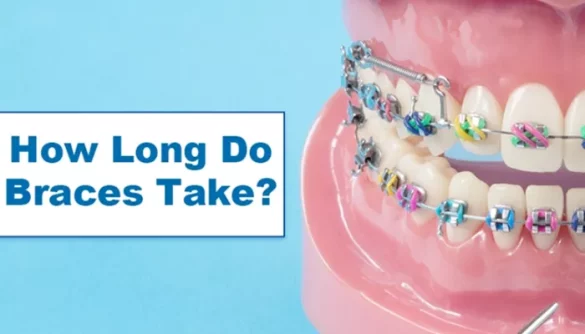
Braces are a common orthodontic treatment used to straighten teeth, fix bite issues, and improve smiles. Many people wonder, “What is the standard time for braces?” This question is important because treatment length affects planning, costs, and expectations. In this article, we will explain in detail how long braces usually take and what influences this time.
Understanding the Purpose of Braces
Braces move teeth slowly by applying steady pressure. This pressure changes the position of teeth and reshapes the bone around them. The goal is to create better alignment, improve function, and enhance appearance.
The time braces need depends on how much movement your teeth require to reach the ideal position.
Typical Time Frame for Wearing Braces
Generally, most people wear braces for about 18 to 24 months. This is the common range orthodontists see for average cases. Some cases may take less time, around 12 months, and others may take longer, up to 36 months or more.
The treatment time includes active adjustment of braces and a retention phase afterward to keep teeth in place.
Average Duration Based on Treatment Type
- Traditional Metal Braces: 18-24 months
- Ceramic Braces: 18-24 months, sometimes slightly longer
- Lingual Braces (behind teeth): 24-36 months
- Clear Aligners (e.g., Invisalign): 12-24 months, varies widely
What Happens During These Months?
The process includes periodic tightening or changing of wires, which moves teeth incrementally. Most patients visit the orthodontist every 4-8 weeks for adjustments.
Factors That Affect How Long Braces Take
Severity of the Orthodontic Problem
Simple cases like mild crowding may take less time, while severe misalignment, large gaps, or jaw issues need more time. The more complex your teeth alignment problem, the longer the treatment.
Age of the Patient
Children and teenagers generally have faster tooth movement because their bones are still growing. Adults may experience slower progress and sometimes need longer treatment.
Type of Braces Used
Some braces work faster than others. Metal braces often move teeth quicker than ceramic or lingual braces. Clear aligners rely on patient compliance and may take longer if not worn as prescribed.
Patient’s Oral Hygiene and Compliance
Good oral hygiene and following orthodontist instructions are crucial. Poor care can cause delays due to inflammation, cavities, or broken appliances. Skipping appointments or not wearing rubber bands or aligners as instructed will slow progress.
Biological Factors
Everyone’s body reacts differently to orthodontic treatment. Bone density, metabolism, and overall health impact tooth movement speed.
Stages of Orthodontic Treatment and Their Time Frames
Initial Consultation and Planning
This phase includes X-rays, impressions, photos, and treatment planning. It usually takes 1-2 appointments over 1-2 weeks before braces are placed.
Active Treatment Phase
This is when braces are on and teeth are moving. It is the longest stage and lasts from 12 to 36 months depending on the factors above.
Adjustment Visits
Appointments every 4-8 weeks allow the orthodontist to tighten wires or change aligners, ensuring steady progress.
Retention Phase
Once braces come off, retainers keep teeth in place. This phase is essential to prevent relapse and can last years or be lifelong. Retainers do not move teeth but maintain the results achieved.
FAQs
Can Treatment Time Be Shortened?
Some orthodontists offer accelerated options like high-frequency vibration devices, laser therapy, or specialized braces. However, results vary and not everyone is a candidate. Rapid treatment may increase risk of root damage or relapse.
What Happens If Treatment Takes Longer?
Delays can occur due to missed appointments, poor oral hygiene, broken braces, or complex issues. Patience is important. Extending treatment time is better than rushing and risking poor results.
Is It Possible to Predict Exact Treatment Time?
Orthodontists provide estimates based on experience and diagnostic records, but exact timing cannot be guaranteed. Biological variation means tooth movement speed can change.
Tips to Ensure Your Braces Work on Time
- Maintain excellent oral hygiene daily.
- Attend all scheduled orthodontic appointments.
- Follow instructions on wearing elastics, headgear, or aligners.
- Avoid hard, sticky foods that can break braces.
- Communicate promptly with your orthodontist if issues arise.
Conclusion
The standard time for braces treatment is typically 18 to 24 months. However, many factors affect this length. Your orthodontist will customize your treatment plan and give you an estimated timeline. Staying committed and following care guidelines helps you achieve the best results in the shortest possible time.
Remember, braces are an investment in your health and smile. Understanding the timing helps set clear expectations and reduces frustration. With patience and proper care, you can enjoy a beautiful, healthy smile that lasts a lifetime.