


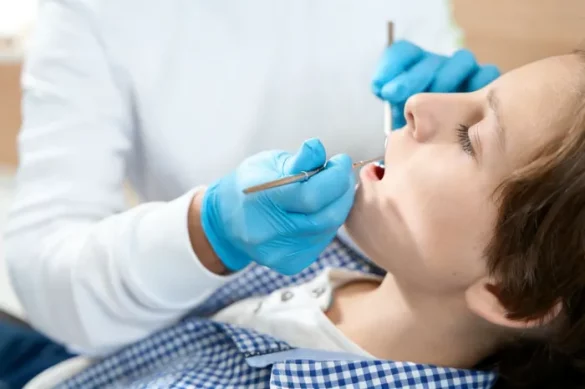
pediatric dental sedation is a cornerstone of modern children’s dental care. Many parents are concerned when sedation is recommended for their child, but with proper understanding, sedation can greatly improve the dental experience for young patients. This article explains what sedation is used for pediatric dentistry, how each method works, and why they are chosen to support both comfort and safety.
Understanding pediatric dental sedation
sedation in pediatric dentistry refers to the use of medication to help children relax during dental procedures. The main purpose is to minimize discomfort, anxiety, and movement, so dentists can carry out necessary treatments safely and efficiently. Sedation also helps prevent the development of dental fear, which can affect oral health habits later in life.
Why Is Sedation Needed in Pediatric Dentistry?
Children often feel anxious or frightened during dental visits, especially if they need more invasive procedures. Some children find it difficult to sit still or have sensitivities that make dental work challenging. By using sedation, dental teams can make experiences less stressful and offer high-quality care, even for children with special needs.
Sedation is not always required for every dental procedure. It is typically reserved for treatments expected to cause discomfort, anxiety, or require the child to stay completely still. These treatments might include tooth extractions, root canal treatments, baby root canals, or complex restorative procedures.
types of sedation used in pediatric dentistry
Dentists select the type of sedation based on the child’s age, medical history, the complexity of the procedure, and the child’s emotional needs. The three most commonly used sedation options are nitrous oxide, oral sedation, and IV sedation.
nitrous oxide (laughing gas)
nitrous oxide, also called laughing gas, is the mildest and most common form of pediatric dental sedation. The child inhales a blend of nitrous oxide and oxygen through a small mask that fits over the nose. Within minutes, the child feels relaxed, calm, and often a little giggly. The effects of nitrous oxide only last while the child wears the mask, and they disappear quickly once the gas is turned off.
This option is ideal for mild to moderate anxiety or less invasive procedures. The child stays awake, breathes normally, and can communicate throughout the treatment. Parents will often notice their child returns to normal within minutes after the mask is removed.
oral sedation
oral sedation involves giving the child a liquid or pill medication before the procedure. The medicines used vary, but all serve to make the child feel relaxed and sometimes a bit drowsy. oral sedation is stronger than nitrous oxide and may be used for more involved dental work or if a child is especially nervous.
The sedative is usually given about 20 minutes before the appointment begins. The child stays awake and responsive, but may remember little if anything about the procedure. Because each child’s body reacts differently, strict “nothing by mouth” rules are followed to ensure safety. There is a small chance that the sedative may not work as expected, in which case the dentist will reschedule with a different approach.
Intravenous (IV) Sedation
IV sedation is a deeper level of sedation provided by inserting a needle into the child’s vein. The medication is delivered directly into the bloodstream, allowing the dentist to control both the amount and duration of sedation. IV sedation is typically reserved for extensive procedures, very anxious children, or those with special healthcare needs.
Under IV sedation, children become very drowsy and may not remember anything about the procedure. Trained personnel monitor the child’s vital signs during the procedure to maintain a very high standard of safety.
general anesthesia: A Special Case
general anesthesia is rarely needed for routine pediatric dental care. It is reserved only for cases involving major oral surgery or situations where other forms of sedation are ineffective. With general anesthesia, the child becomes completely unconscious, and specialized doctors closely monitor them throughout the process.
How Dentists Choose Sedation Type
The choice of sedation depends on several factors:
- The type and length of dental procedure
- The child’s age, weight, and general health
- Level of anxiety or dental phobia
- Prior experiences in the dental chair
- Parents’ preferences and concerns
Dentists carefully assess these factors and discuss the possible sedation options with parents or caregivers. For most standard pediatric dental treatments, nitrous oxide or oral sedation is sufficient.
Preparation and Aftercare for Dental Sedation
Each sedation method requires specific preparation:
- nitrous oxide: A light meal or snack beforehand is usually allowed.
- oral sedation: The child should not eat or drink after midnight before the procedure (this is for safety, to reduce the risk of nausea or choking).
- IV sedation: Special fasting rules apply, and detailed instructions are provided by the dentist.
After the procedure, children need close supervision at home as the sedative wears off. Most kids regain their normal activity levels within a short time, but parents should watch for any unusual symptoms and follow their dentist’s advice.
Safety and Monitoring During pediatric dental sedation
Safety is always the highest priority in pediatric dentistry. Dentists conduct a thorough medical review before sedation and monitor children’s heart rate, oxygen levels, and breathing during the procedure. Modern monitoring equipment and well-trained staff help make dental sedation very safe.
Sometimes, unexpected reactions to sedatives may occur, including inadequate sedation or, in rare cases, the opposite effect, where the child becomes more energetic or anxious. Dental teams are trained to recognize and respond quickly to any unusual reactions.
Addressing Parental Concerns
Many parents worry about the idea of dental sedation for their children. Questions about risks, possible side effects, and long-term impacts are common and completely natural. The key to addressing these concerns lies in open communication. Dentists will happily explain why sedation is recommended, what to expect, and how to prepare.
In clinical practice, the overwhelming majority of children handle sedation very well. Most experience a positive dental visit, free from pain or fear, setting a foundation for a healthy relationship with dental care as they grow up.
Conclusion
Sedation is an important tool in pediatric dentistry for providing stress-free, comfortable, and safe treatment experiences for children. The main sedation options include nitrous oxide, oral sedation, and IV sedation, each tailored to the individual needs of the child and the planned dental procedure. When performed by skilled professionals, pediatric dental sedation offers a gentle pathway through dental care, supporting both current and future oral health.
FAQs
What is the safest form of sedation for children in dentistry?
nitrous oxide is considered very safe for most children due to its fast onset, rapid recovery, and mild effects.
How will I know which sedation is right for my child?
Your child’s dentist will assess their health, needs, and procedure type, then recommend the best sedation option.
Is my child completely asleep with dental sedation?
Most sedation used in pediatric dentistry does not cause complete sleep. The child is usually relaxed and possibly drowsy, but awake.
Can sedation be avoided?
Sedation is only used when necessary to prevent pain, manage anxiety, or support successful dental treatments. For minor procedures, it may not be required.
What should I do after my child’s dental sedation?
Follow all dentist instructions closely. Monitor your child at home, encourage rest, and contact the dental office if any concerns arise.